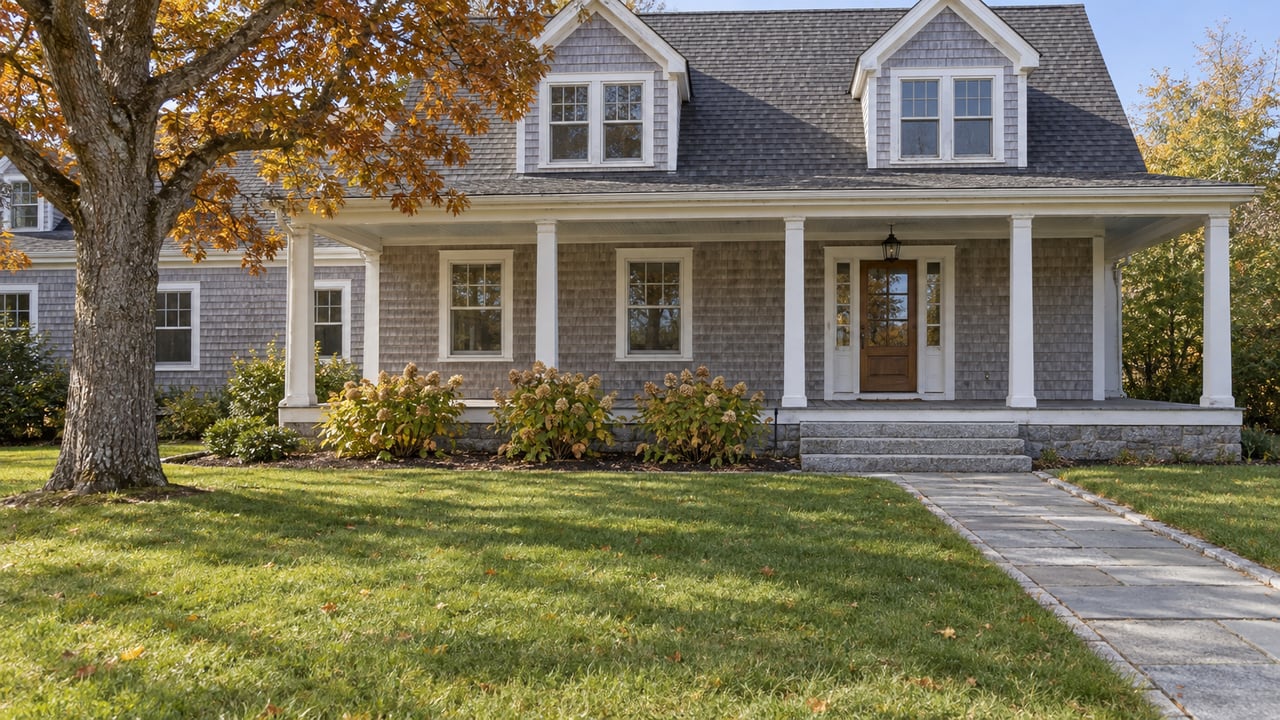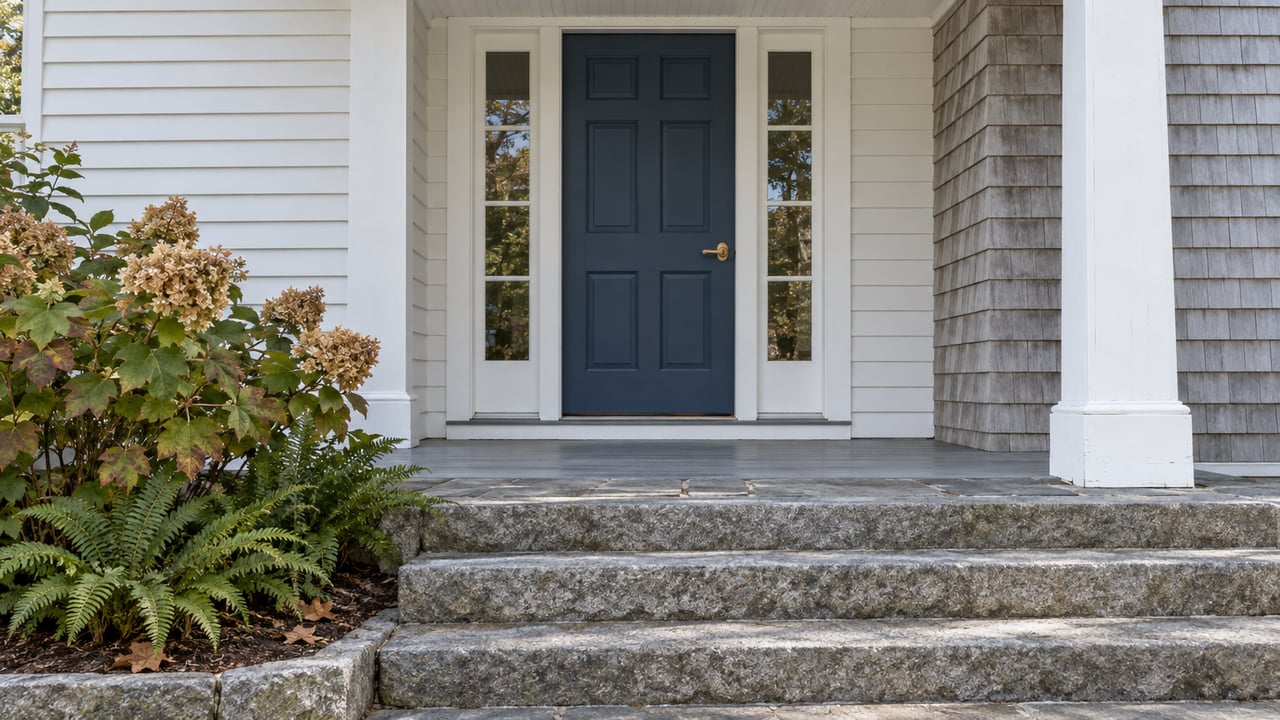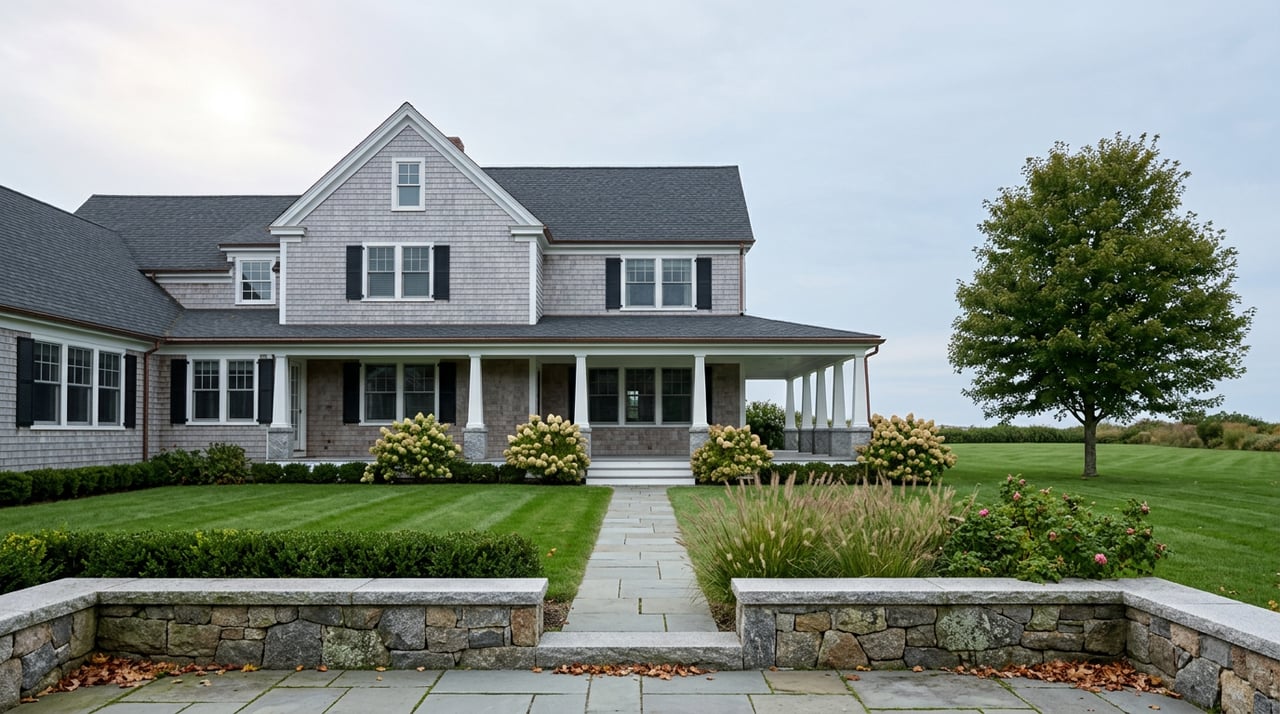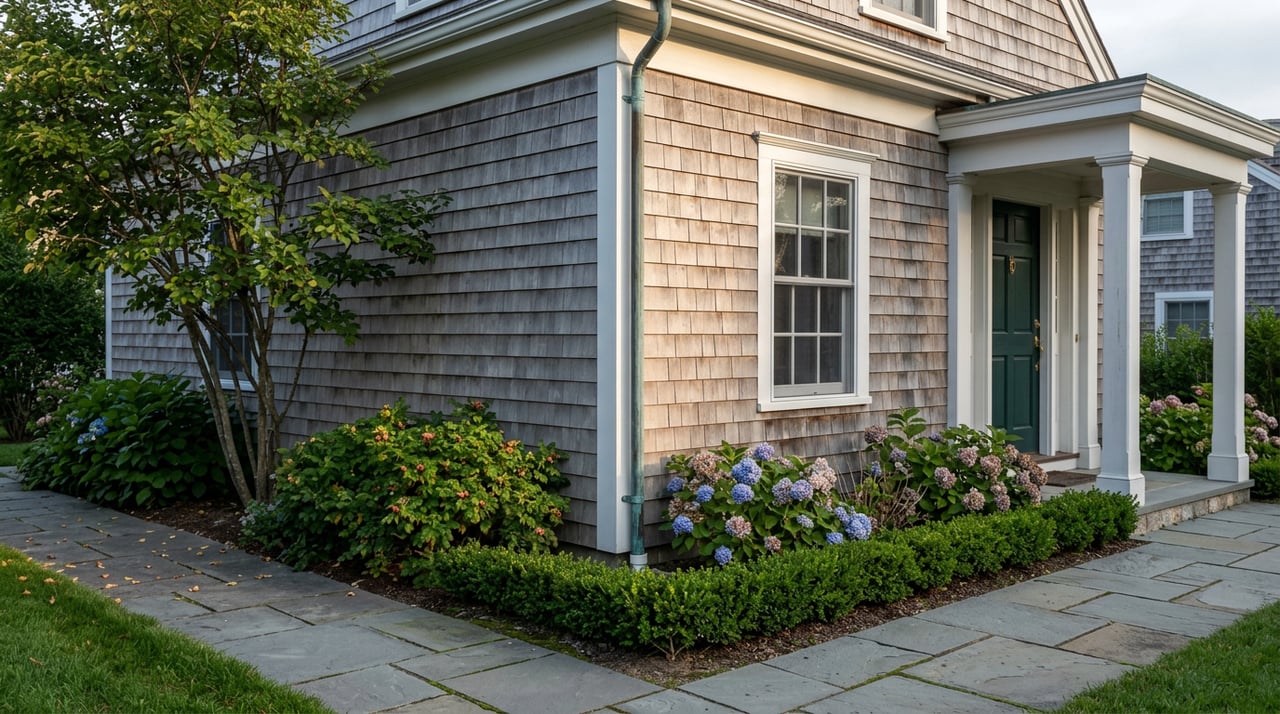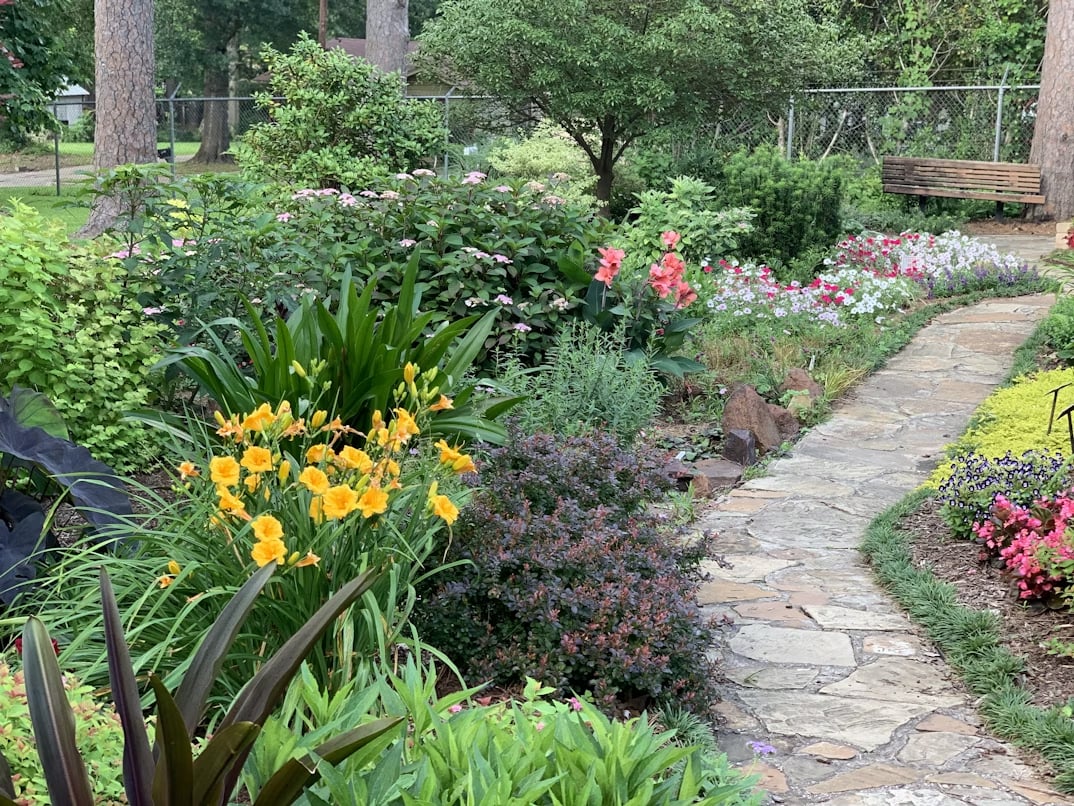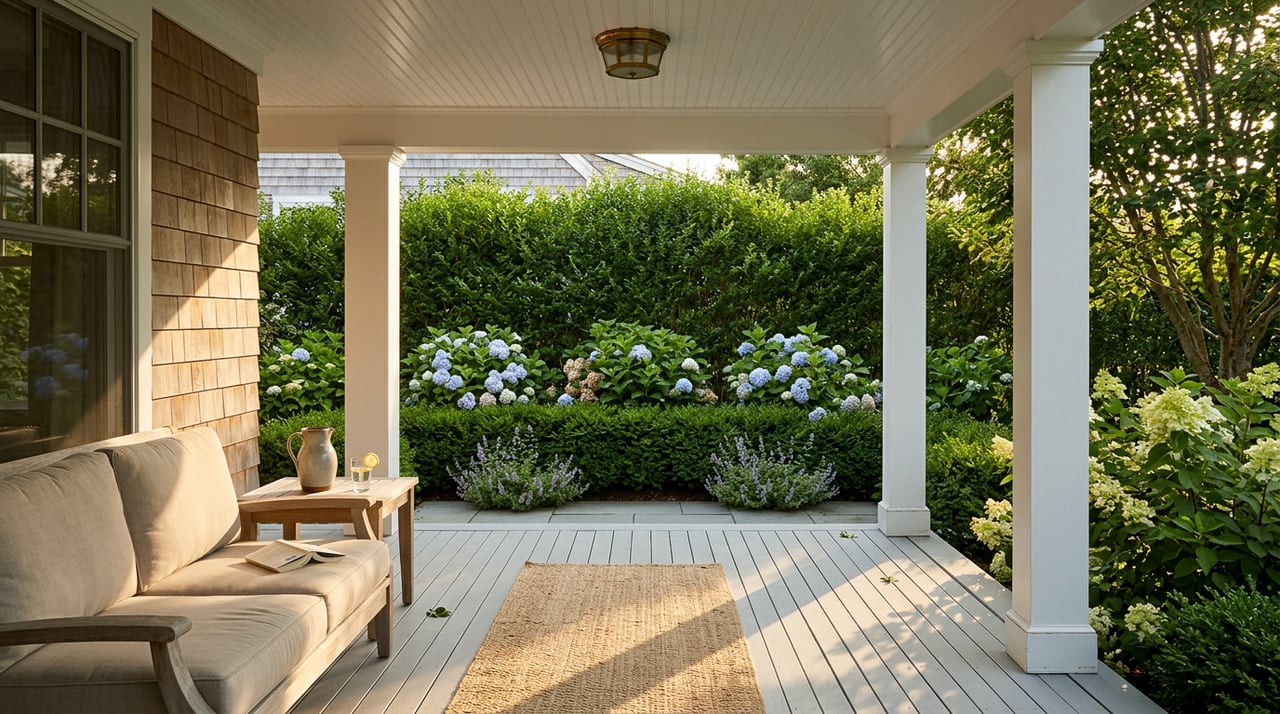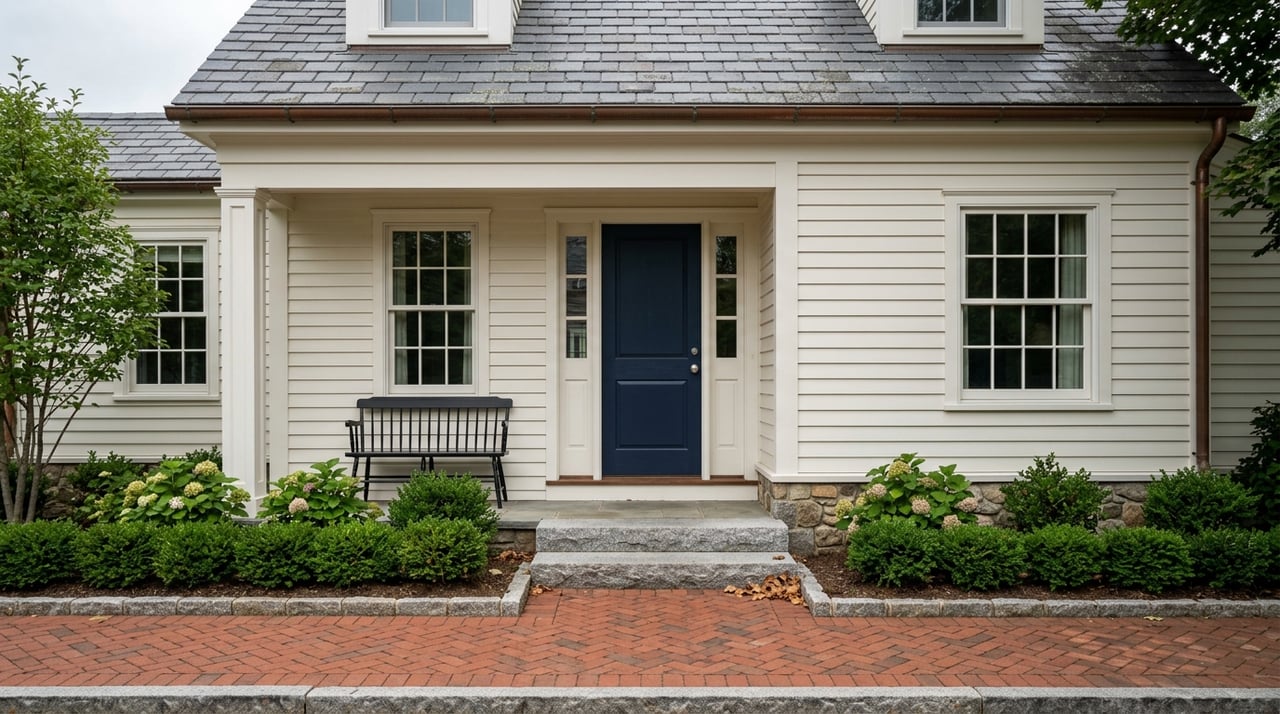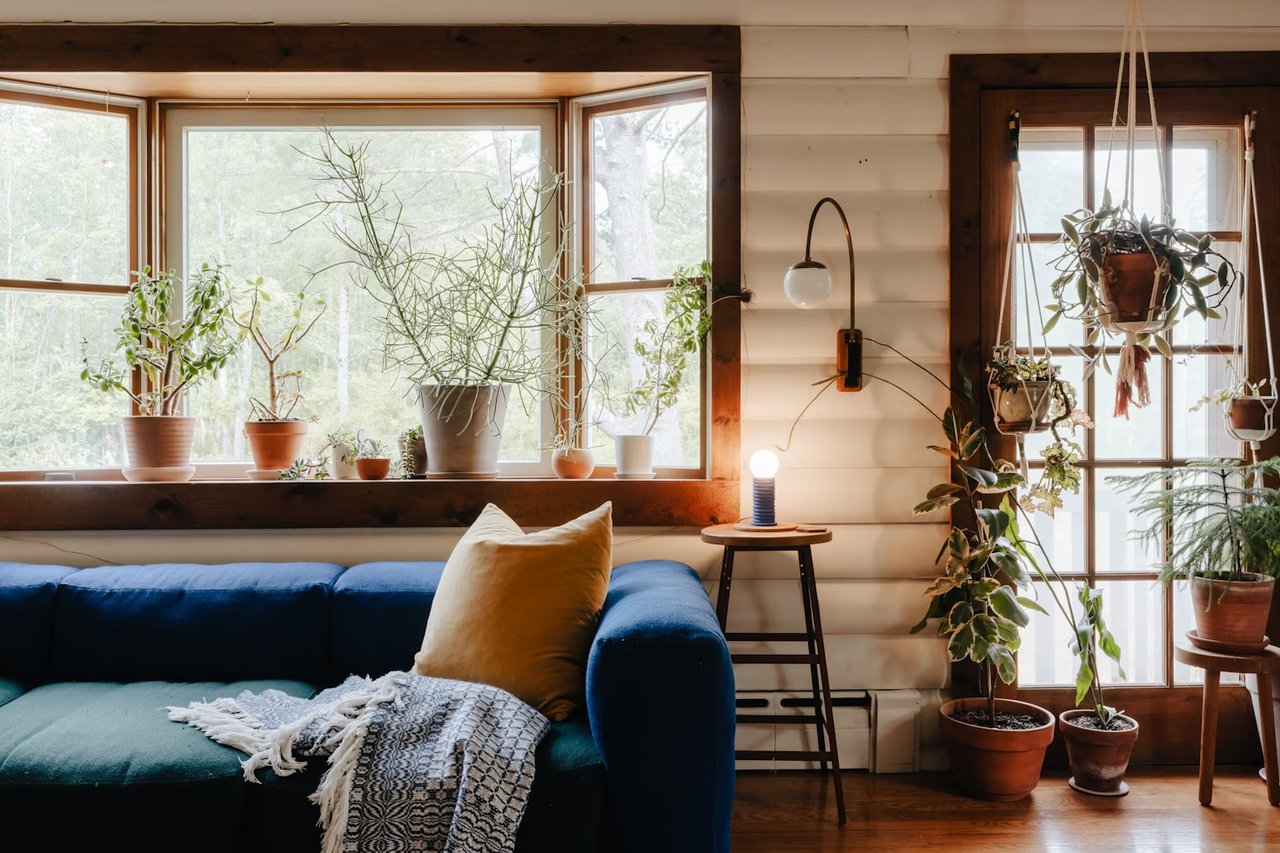
Imagine walking outside your door and being greeted by rows of lush vegetables, herbs, and vibrant flowers. Starting a garden at home in Cohasset, Massachusetts, gives you this experience every day — plus, it delivers a sense of accomplishment and a source of fresh, local produce right in your backyard.
If you are a beginner and have always admired beautiful home gardens but have never quite known where to begin, this guide is here to answer your questions and help you plant those first seeds with confidence.
Understanding Cohasset’s Growing Conditions
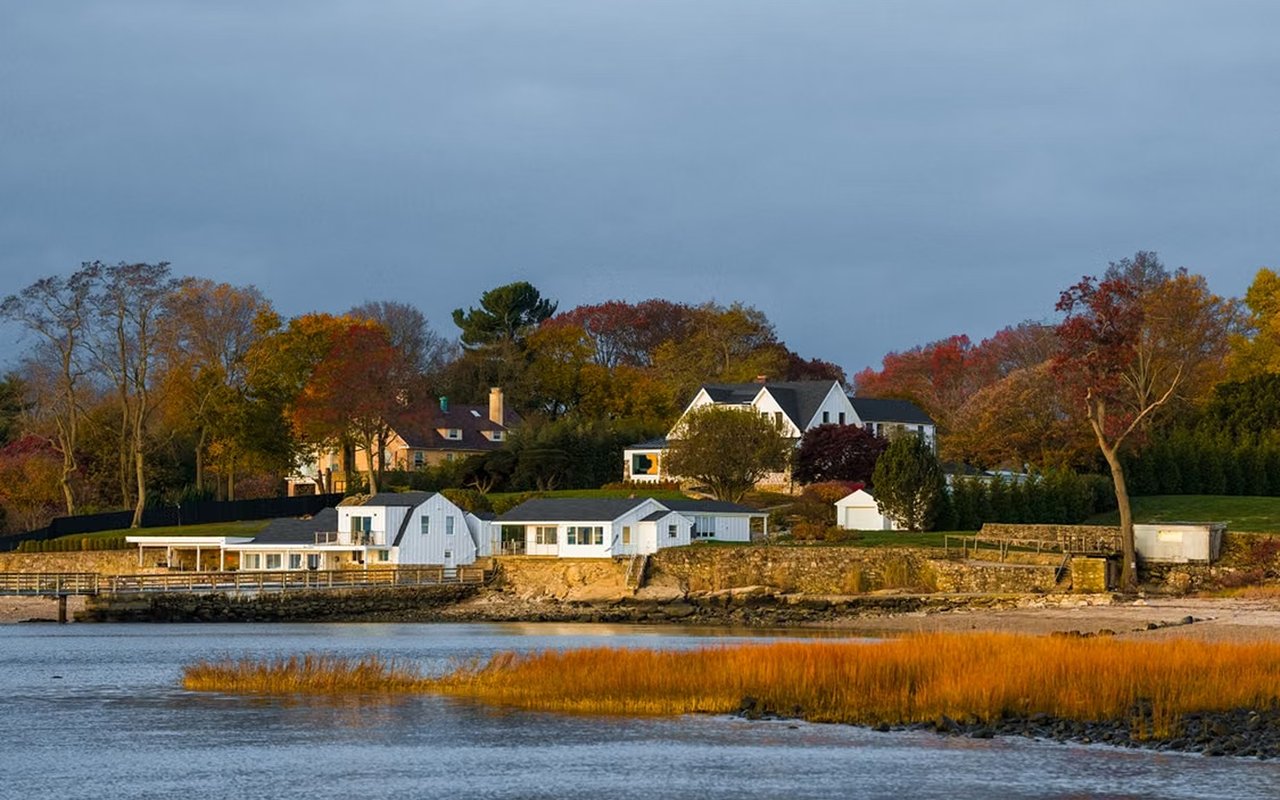
Cohasset offers a distinct climate influenced by its proximity to the Atlantic Ocean. While the town enjoys relatively mild summers, the coastal air can introduce extra moisture and occasionally unpredictable spring weather. When you are planning your garden, it’s essential to understand the local growing season. Typically, the last frost occurs in late April or early May, and the first frost arrives around late October. This timeline gives you roughly five to six months for outdoor gardening.
The soil in Cohasset often tends to be slightly sandy with good drainage, which can work in your favor for many crops. However, if you live further inland or on a shaded lot, your soil may retain more clay or organic matter.
Before planting anything, it is a good idea to assess your soil’s composition. Grab a handful of dirt and see how it feels; sandy soil will fall apart in your hand, while clay soil will form a sticky ball. You can also pick up an inexpensive soil test kit from a local garden center to check for acidity and nutrient levels. Most vegetables and flowers prefer soil that is slightly acidic to neutral (pH 6.0–7.0), which is very common in this area.
The soil in Cohasset often tends to be slightly sandy with good drainage, which can work in your favor for many crops. However, if you live further inland or on a shaded lot, your soil may retain more clay or organic matter.
Before planting anything, it is a good idea to assess your soil’s composition. Grab a handful of dirt and see how it feels; sandy soil will fall apart in your hand, while clay soil will form a sticky ball. You can also pick up an inexpensive soil test kit from a local garden center to check for acidity and nutrient levels. Most vegetables and flowers prefer soil that is slightly acidic to neutral (pH 6.0–7.0), which is very common in this area.
Choosing the Right Location for Your Garden
Where you place your garden can make all the difference. Most vegetables, fruits, and flowers need a minimum of six hours of sunlight per day. Spend a day observing your yard; note which areas receive the most consistent sunlight from mid-morning through the afternoon. Avoid spots where large trees cast heavy shade or where buildings block the sun for long stretches. Remember that the sun’s angle changes throughout the season, so choose a spot that will receive sunlight from late spring to early fall.
In Cohasset, it’s also wise to consider wind exposure. Coastal breezes can sometimes dry out plants or knock over tender seedlings. If your yard is open to the sea or on a hill, consider planting near a fence, shrub line, or wall that provides some wind protection. Additionally, proximity to a water source is practical; dragging a hose across your yard daily can quickly become a hassle, especially during the hottest months.
In Cohasset, it’s also wise to consider wind exposure. Coastal breezes can sometimes dry out plants or knock over tender seedlings. If your yard is open to the sea or on a hill, consider planting near a fence, shrub line, or wall that provides some wind protection. Additionally, proximity to a water source is practical; dragging a hose across your yard daily can quickly become a hassle, especially during the hottest months.
Planning Your Garden: Raised Beds or In-Ground?
One of the first decisions you will make is whether to plant directly into the ground or set up raised beds. Raised beds are popular in New England because they offer excellent drainage, warm up more quickly in the spring, and make gardening easier. They are especially beneficial if your soil is heavy clay or very sandy, as you can control the soil mix.
To build a raised bed, use untreated wood, composite materials, or stone. Standard beds are usually four feet wide, which makes them easy to reach from either side without stepping on the soil. Depth should be at least eight to twelve inches for most vegetables and annual flowers. If you prefer to plant directly in the ground, choose a well-drained, sunny spot and be prepared to amend the soil with compost or organic matter.
When planning the layout, consider access paths between beds or rows. Paths should be wide enough for you to walk through comfortably and transport tools or harvest baskets without trampling plants.
To build a raised bed, use untreated wood, composite materials, or stone. Standard beds are usually four feet wide, which makes them easy to reach from either side without stepping on the soil. Depth should be at least eight to twelve inches for most vegetables and annual flowers. If you prefer to plant directly in the ground, choose a well-drained, sunny spot and be prepared to amend the soil with compost or organic matter.
When planning the layout, consider access paths between beds or rows. Paths should be wide enough for you to walk through comfortably and transport tools or harvest baskets without trampling plants.
Deciding What to Grow: Easy Crops for Beginners
As a new gardener, you will want to choose plants that thrive in Cohasset’s climate and offer a great return for your effort. Some of the easiest vegetables to grow in this region include tomatoes, lettuce, radishes, carrots, zucchini, and bush beans.
These crops tolerate cool spring weather and are not too fussy about soil conditions. Leafy greens like spinach and Swiss chard can be planted as soon as the ground is workable in spring and harvested throughout the season.
If you want to add a touch of fragrance and attract pollinators, herbs like basil, thyme, oregano, and parsley are excellent choices. They require little maintenance and flourish in containers or garden beds. Flowers like marigolds, zinnias, and sunflowers not only add beauty but can also help attract beneficial insects that keep pests under control.
Take some time to think about what you and your household enjoy eating, and plan your garden around those preferences. It is better to start small with a few favorites than to plant too many different crops and feel overwhelmed by the upkeep.
These crops tolerate cool spring weather and are not too fussy about soil conditions. Leafy greens like spinach and Swiss chard can be planted as soon as the ground is workable in spring and harvested throughout the season.
If you want to add a touch of fragrance and attract pollinators, herbs like basil, thyme, oregano, and parsley are excellent choices. They require little maintenance and flourish in containers or garden beds. Flowers like marigolds, zinnias, and sunflowers not only add beauty but can also help attract beneficial insects that keep pests under control.
Take some time to think about what you and your household enjoy eating, and plan your garden around those preferences. It is better to start small with a few favorites than to plant too many different crops and feel overwhelmed by the upkeep.
Gathering Tools and Materials
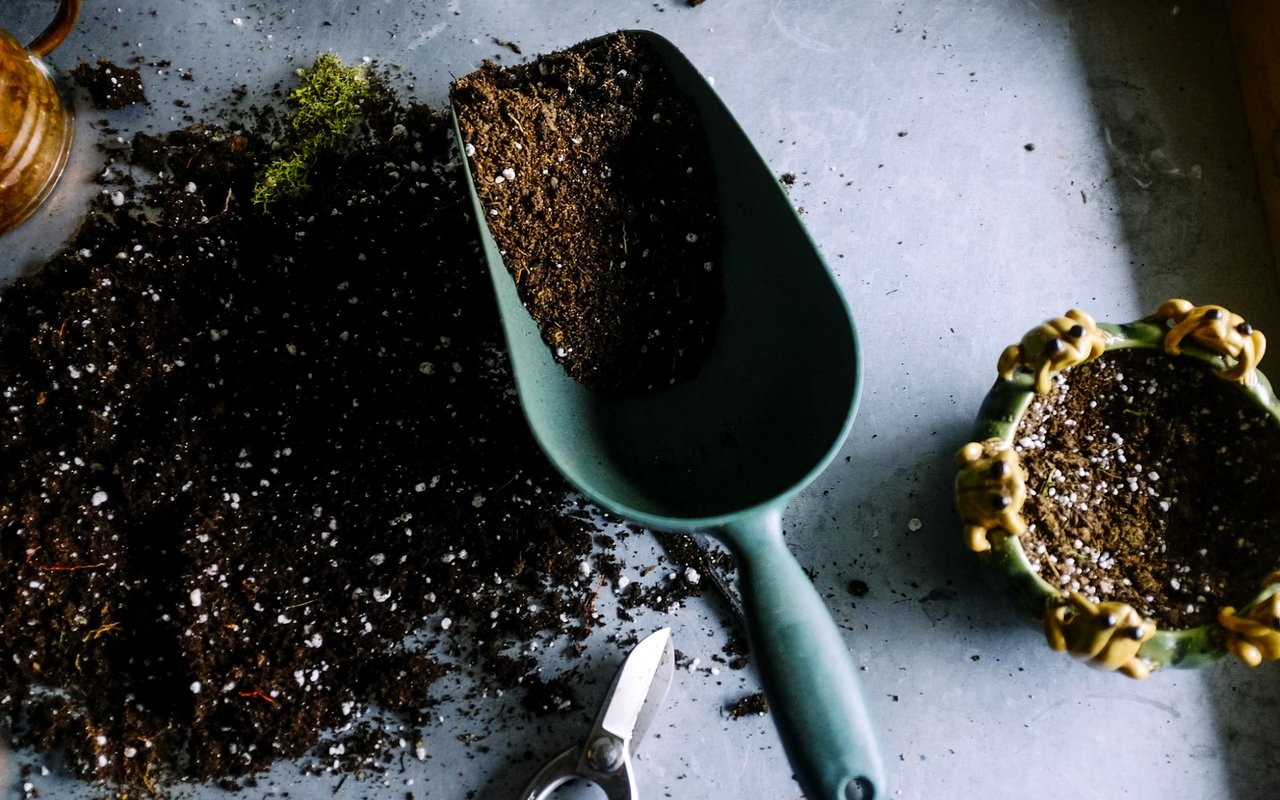
You do not need a shed full of fancy gadgets to get started, but having a few reliable tools will make the experience much smoother. At a minimum, pick up a sturdy digging shovel, a hand trowel, a hoe or cultivator, a rake, and a pair of gardening gloves. If you are building raised beds, you’ll also need a tape measure, saw, and drill.
Soil amendments, such as compost, peat moss, or aged manure, are helpful for improving soil fertility. Most garden centers carry locally made compost that’s perfect for conditioning your beds. Mulch is another valuable material; it helps keep weeds at bay and conserves moisture during hot spells. Use straw, bark chips, or shredded leaves to cover bare soil around your plants.
For watering, a hose with a spray nozzle or a watering can works well for most home gardens. If you want to save time, consider investing in a simple drip irrigation kit, which can be set up to water your beds automatically.
Soil amendments, such as compost, peat moss, or aged manure, are helpful for improving soil fertility. Most garden centers carry locally made compost that’s perfect for conditioning your beds. Mulch is another valuable material; it helps keep weeds at bay and conserves moisture during hot spells. Use straw, bark chips, or shredded leaves to cover bare soil around your plants.
For watering, a hose with a spray nozzle or a watering can works well for most home gardens. If you want to save time, consider investing in a simple drip irrigation kit, which can be set up to water your beds automatically.
Preparing the Soil for Planting
Great gardens start with healthy soil. Whether you are working with raised beds or in-ground plots, take the time to loosen the soil down to at least a foot deep. Remove rocks, roots, and debris, then mix in two to three inches of compost or organic matter. If your soil test shows a pH that is too low (acidic) or too high (alkaline), adjust it with lime or sulfur as recommended on the test kit.
Smooth the soil surface with a rake, then water it lightly and let it settle for a day or two before planting. This preparation step helps seeds germinate evenly and allows roots to penetrate more easily. In the days leading up to planting, keep an eye out for weeds and remove them promptly; weeds compete with young seedlings for nutrients and water.
Smooth the soil surface with a rake, then water it lightly and let it settle for a day or two before planting. This preparation step helps seeds germinate evenly and allows roots to penetrate more easily. In the days leading up to planting, keep an eye out for weeds and remove them promptly; weeds compete with young seedlings for nutrients and water.
Watering and Feeding Your Garden
Consistent watering is the key to a thriving garden. In Cohasset, spring rains often provide enough moisture during April and May, but as summer heats up, you may need to water more frequently. Check your soil every few days; when the top inch feels dry, it is time to water. Early morning is the best time to water, as leaves will dry quickly, reducing the risk of fungal issues.
Avoid overhead watering if possible; aim for the base of each plant. This helps minimize leaf wetness and conserves water. During the peak of summer, consider mulching around your plants to hold in moisture and keep roots cool.
Feed your garden every few weeks with an all-purpose organic fertilizer or side-dress with compost. Leafy greens may benefit from a little extra nitrogen, while tomatoes and peppers appreciate phosphorus and potassium as they begin to flower and set fruit.
Avoid overhead watering if possible; aim for the base of each plant. This helps minimize leaf wetness and conserves water. During the peak of summer, consider mulching around your plants to hold in moisture and keep roots cool.
Feed your garden every few weeks with an all-purpose organic fertilizer or side-dress with compost. Leafy greens may benefit from a little extra nitrogen, while tomatoes and peppers appreciate phosphorus and potassium as they begin to flower and set fruit.
An Inviting Start to Your Gardening Journey
Starting a home garden in Cohasset, Massachusetts, is both a rewarding challenge and a true delight. With each season, you’ll find new opportunities to learn, grow, and enjoy the freshest produce right from your own backyard. Gather your tools, roll up your sleeves, and get ready to enjoy the endless possibilities that a garden can bring.
Consult with trusted Realtor® Frank Neer for expert guidance as you begin your homeownership journey in Cohasset and find the home with the garden of your dreams.
Consult with trusted Realtor® Frank Neer for expert guidance as you begin your homeownership journey in Cohasset and find the home with the garden of your dreams.