By Frank Neer
There is something rewarding about opening your front door to a group of people you love and watching your home come alive. Whether you are planning a backyard dinner for twelve or a cocktail hour for six, the difference between a gathering people remember and one they politely forget usually comes down to preparation and intention. Hosting well is a skill, and like any skill, it can be refined.
The most memorable gatherings rarely happen by accident. They are the product of a host who thought through the details in advance: the flow of the space, the balance of food and drink, and the atmosphere that makes people feel at ease the moment they arrive. None of this requires a professional event planner or a magazine-worthy kitchen. What it does require, however, is a clear plan and a willingness to put your guests' comfort first.
If you have been looking for a reason to finally throw that dinner party, this is it. This guide walks you through every element of hosting a truly memorable gathering at home, from setting the tone before your first guest arrives to making sure that the evening feels effortless from start to finish.
Key Takeaways
- Planning your space and flow in advance is one of the most impactful steps you can take before guests arrive.
- A well-curated menu that can be largely prepped ahead of time reduces stress and lets you enjoy the event alongside your guests.
- Atmosphere details like lighting and music work together to create a cohesive, welcoming environment.
- Thoughtful touches, from a stocked drink station to a clear place for coats, signal to guests that you anticipated their needs.
- Your energy as a host sets the tone; when you are relaxed and present, your guests follow your lead.
Set the Stage Before Anyone Arrives
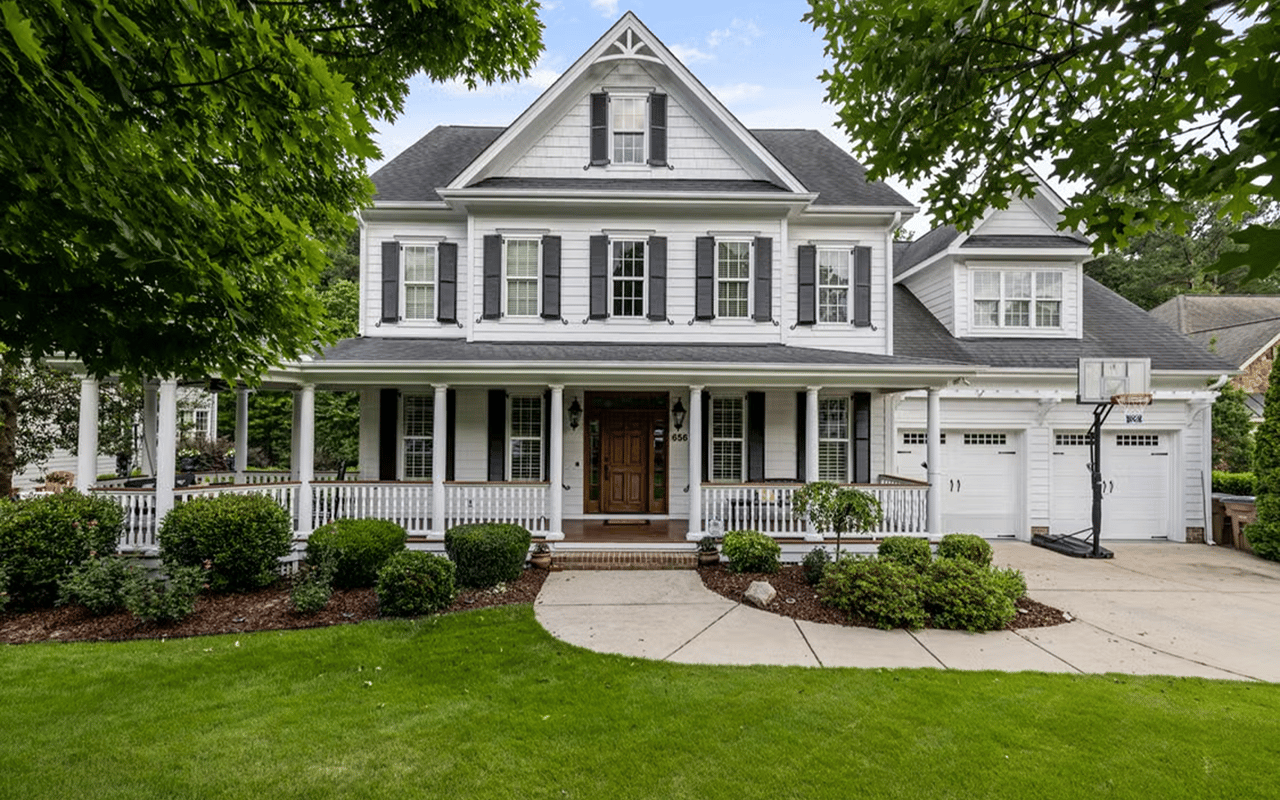
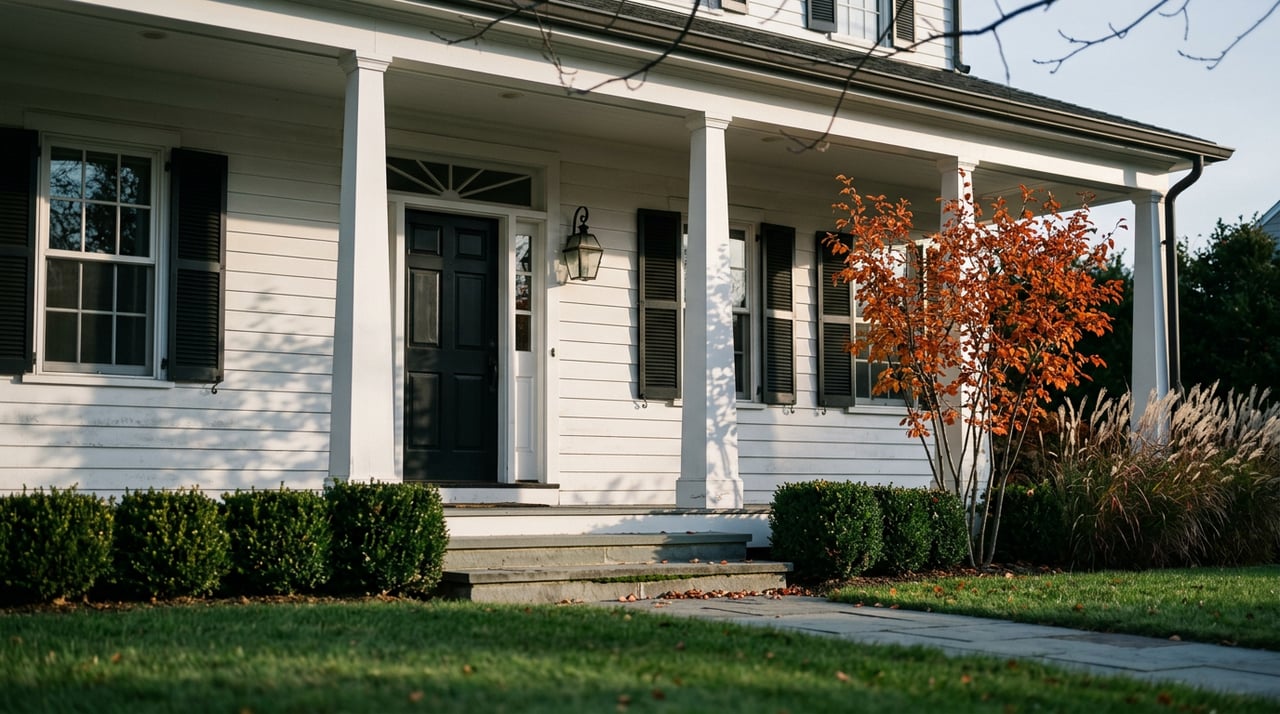
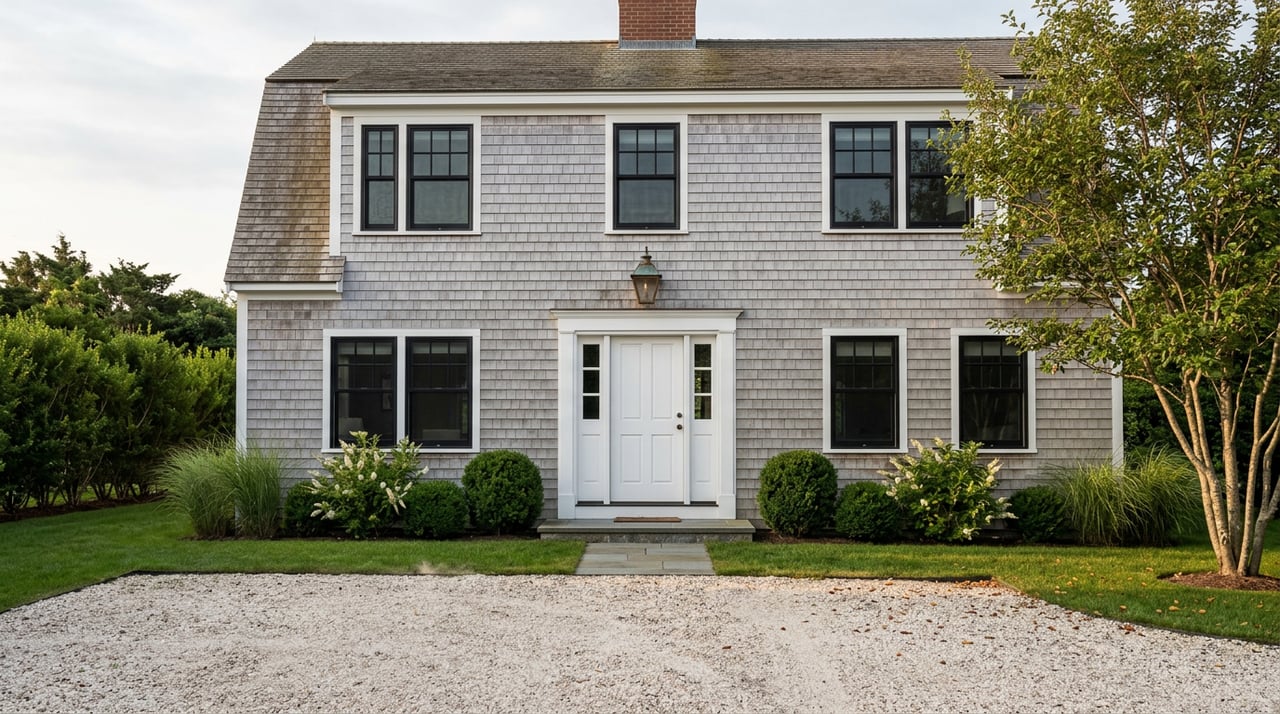
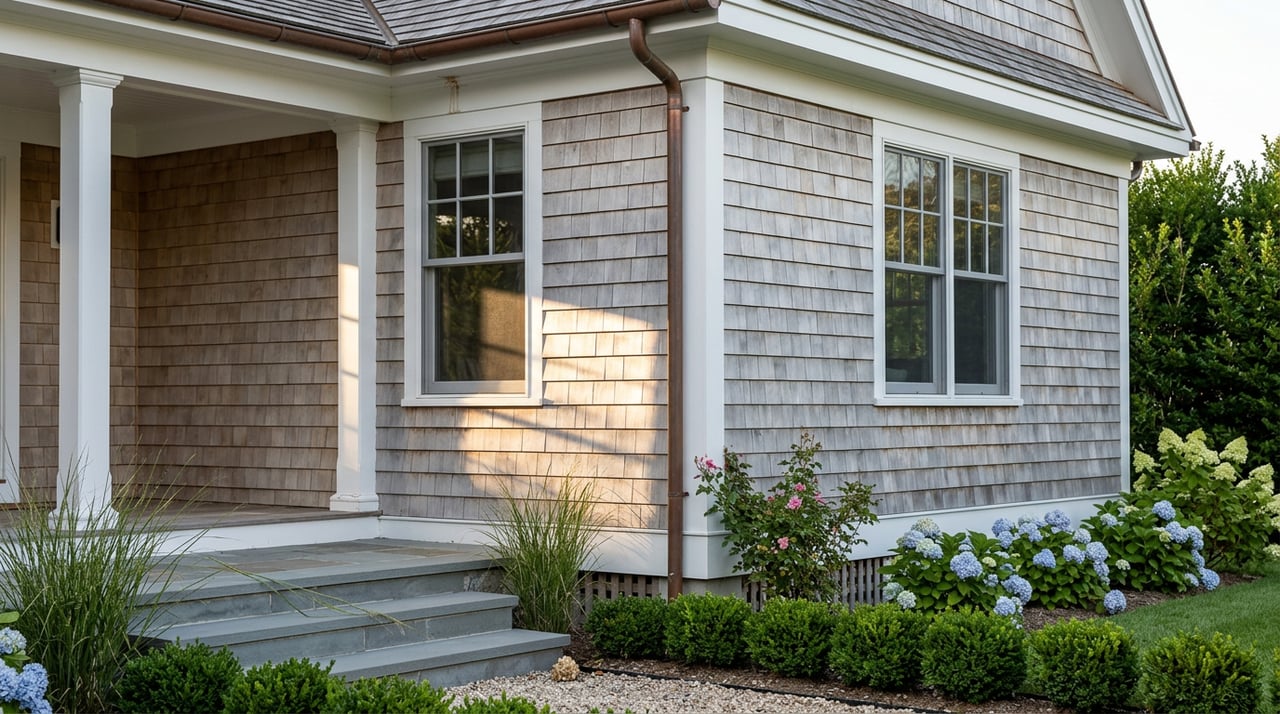
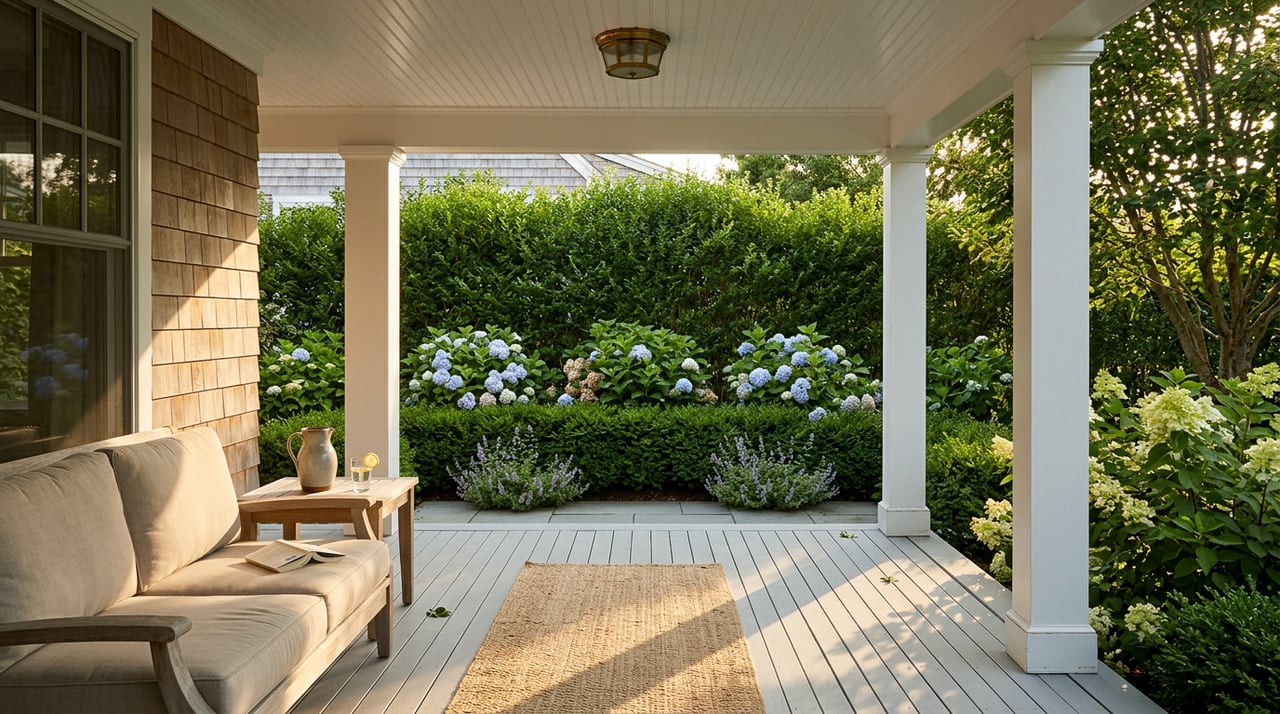
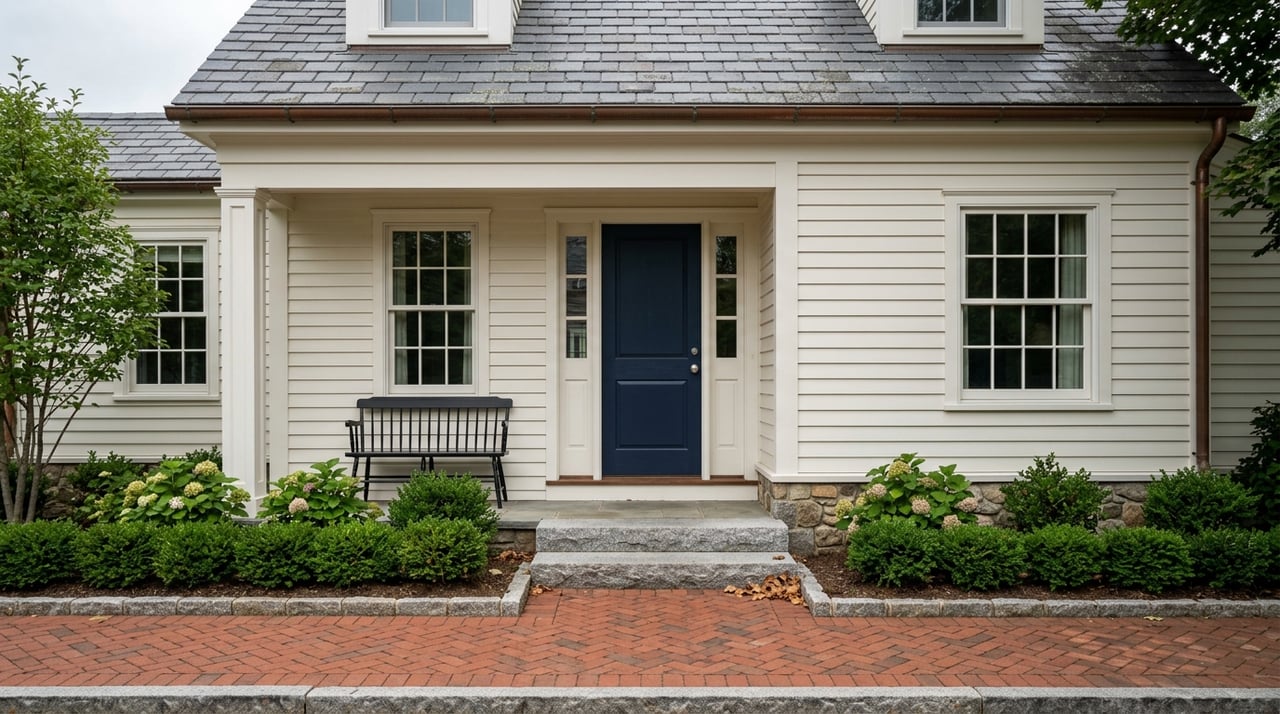
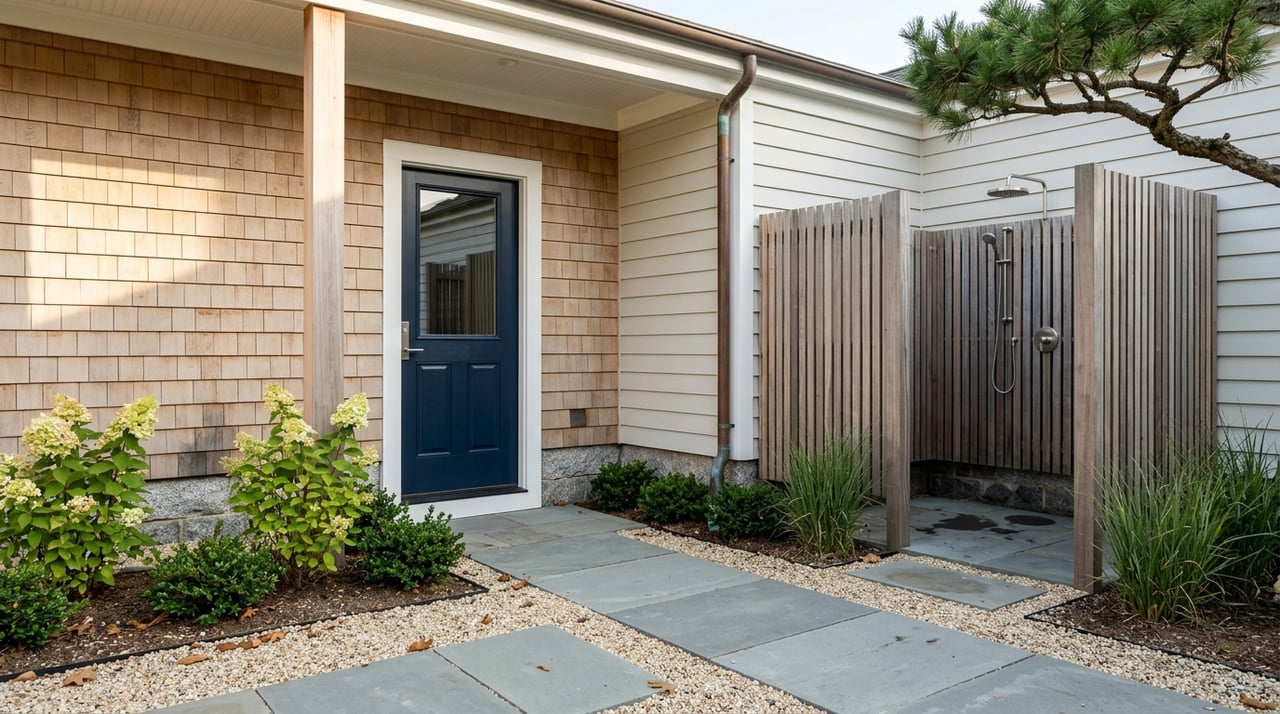
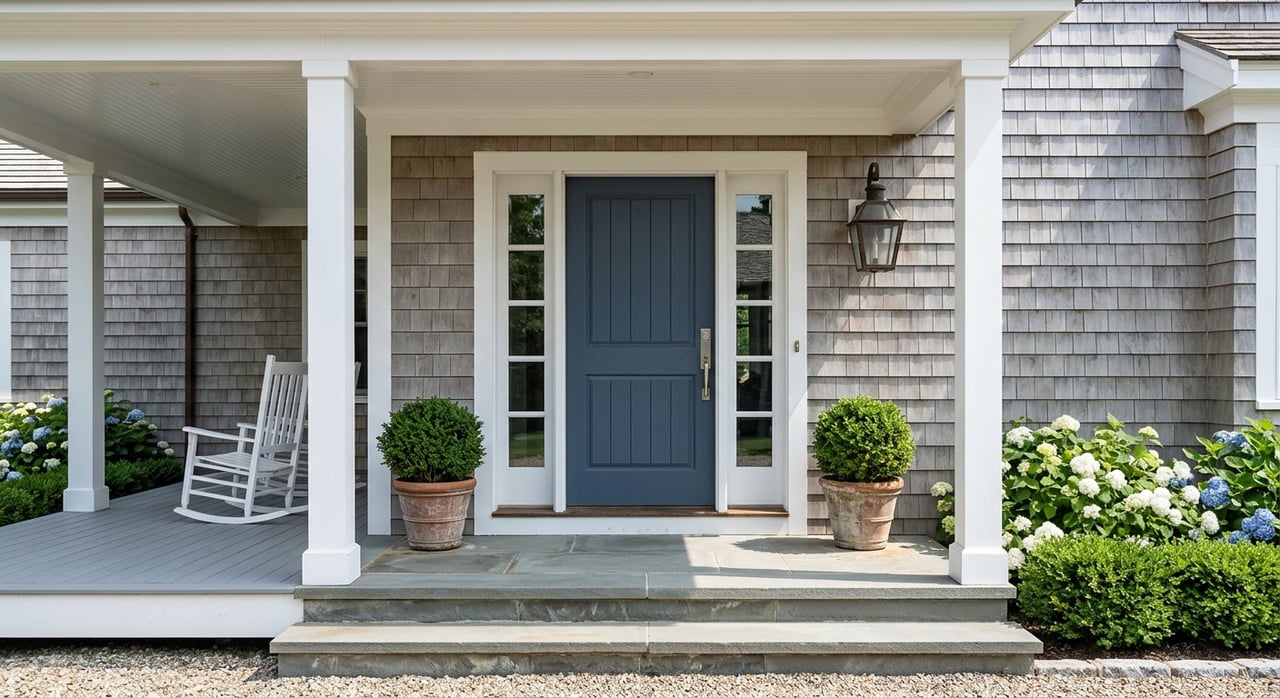
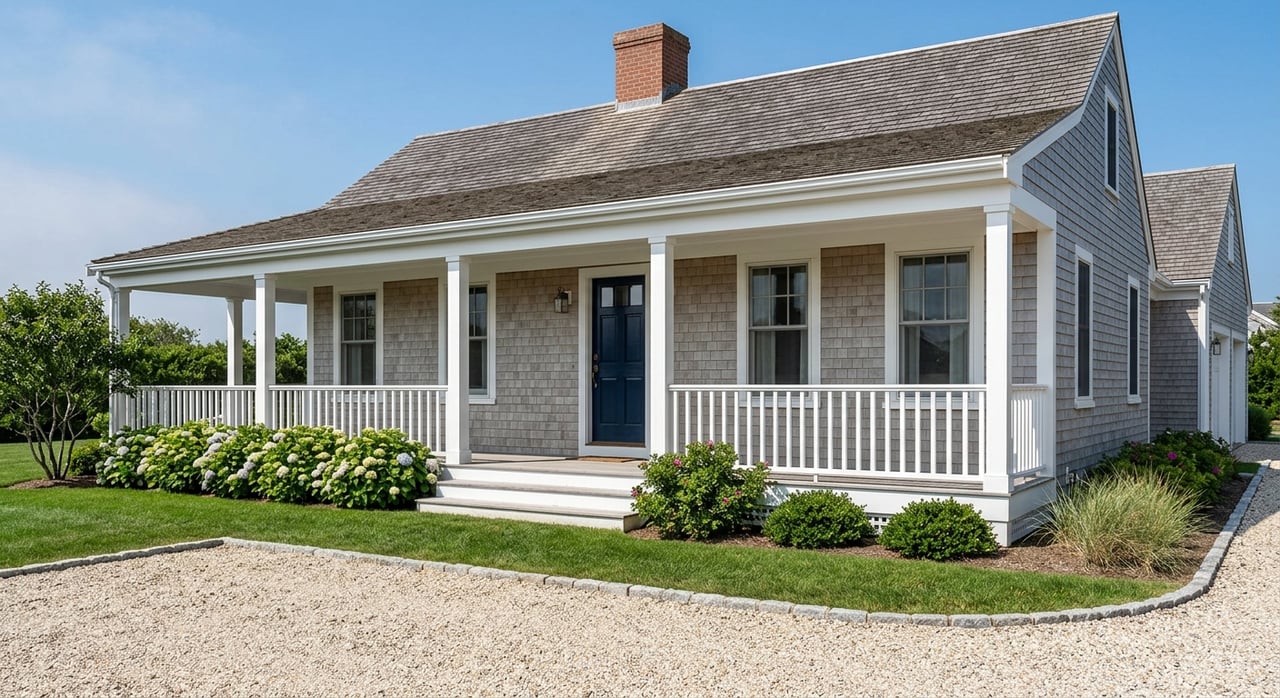
First impressions matter immensely, and the experience of arriving at a gathering begins before your guests even step through the door. Take a walk around the outside of your home earlier in the day. Clear out any clutter from the entryway, light the front porch if you are hosting guests in the evening, and make sure that parking and directions are easy to navigate. Small gestures at the threshold communicate that someone put care into this.
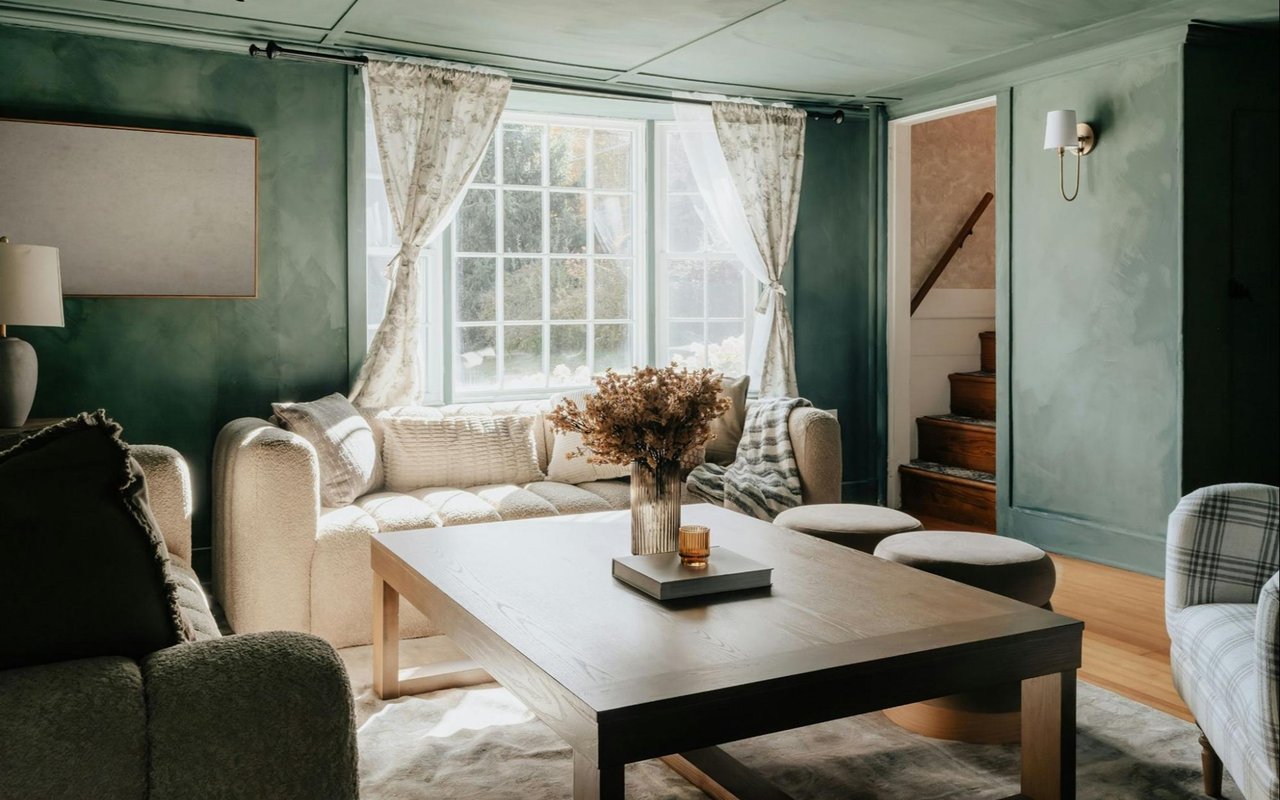
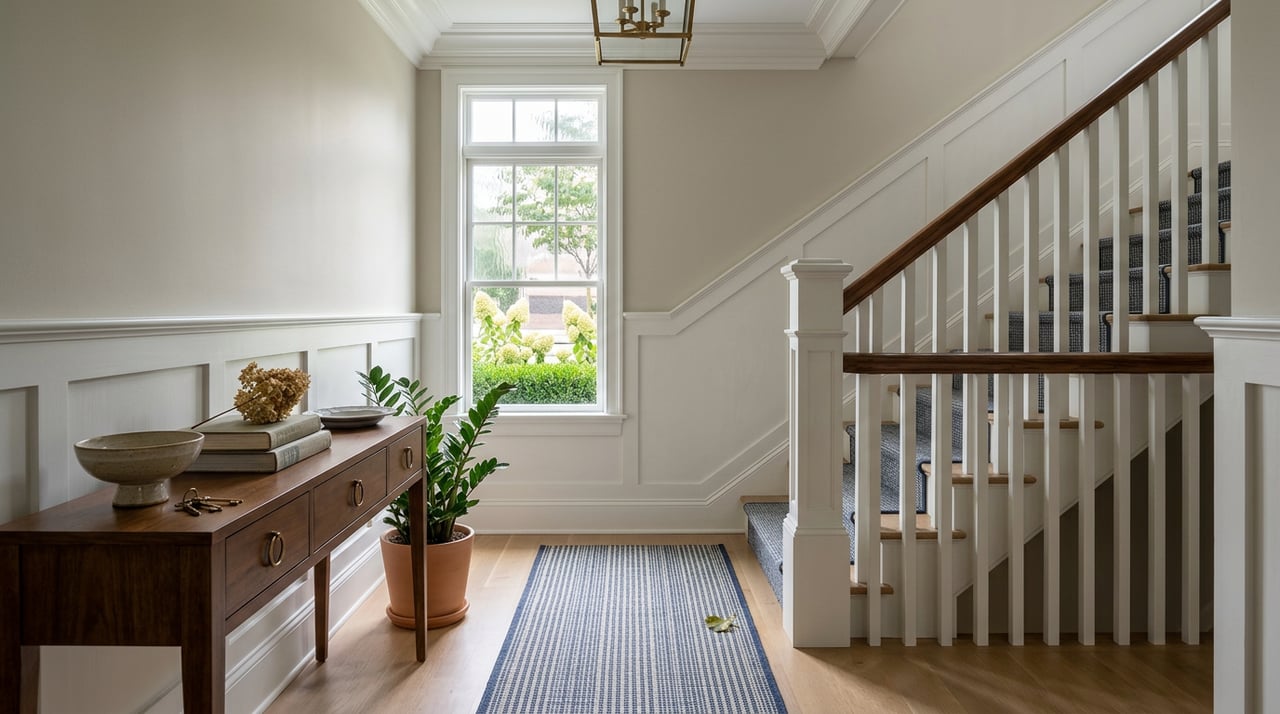
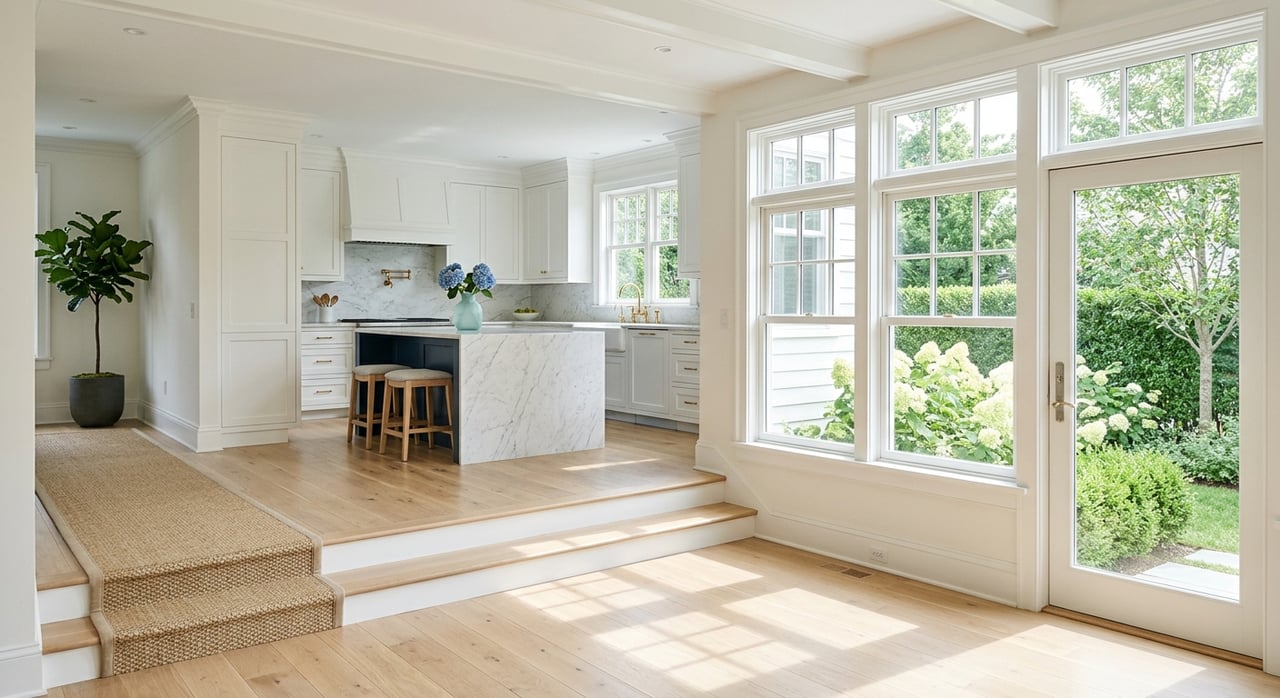
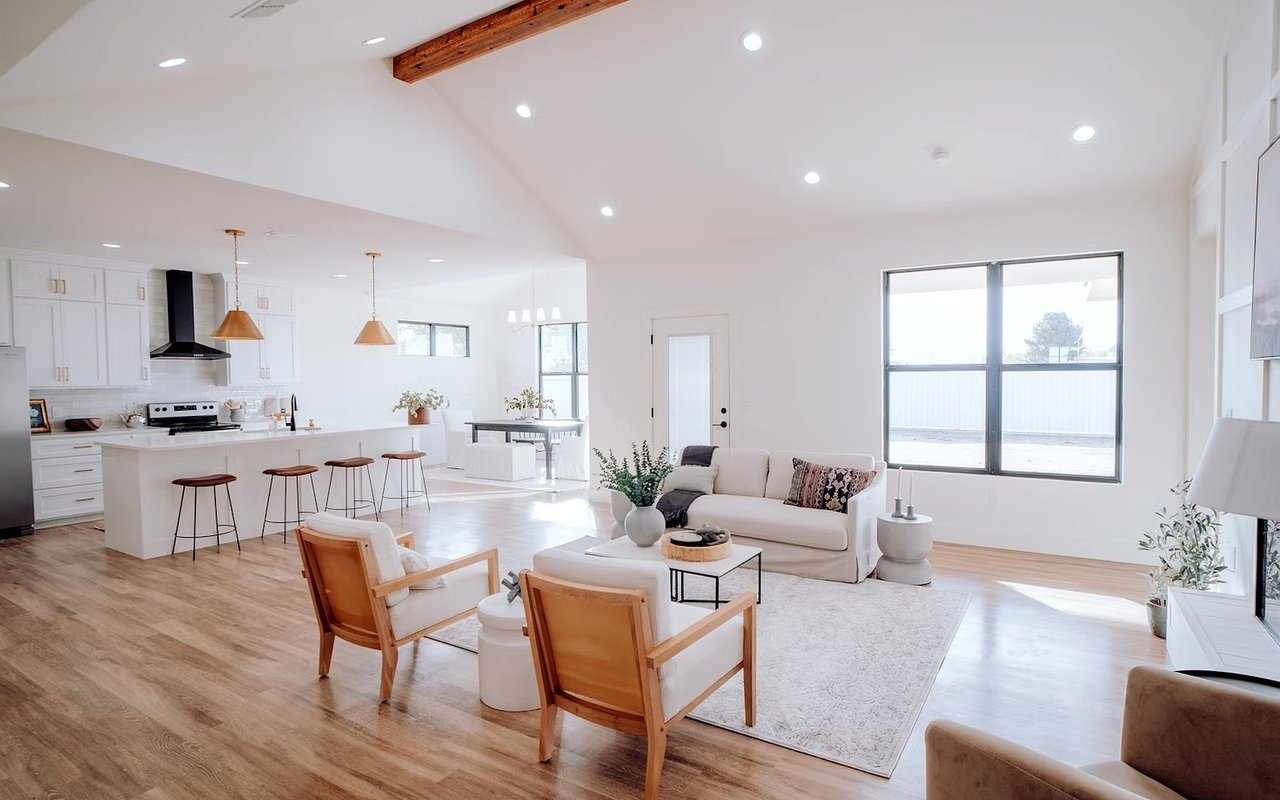
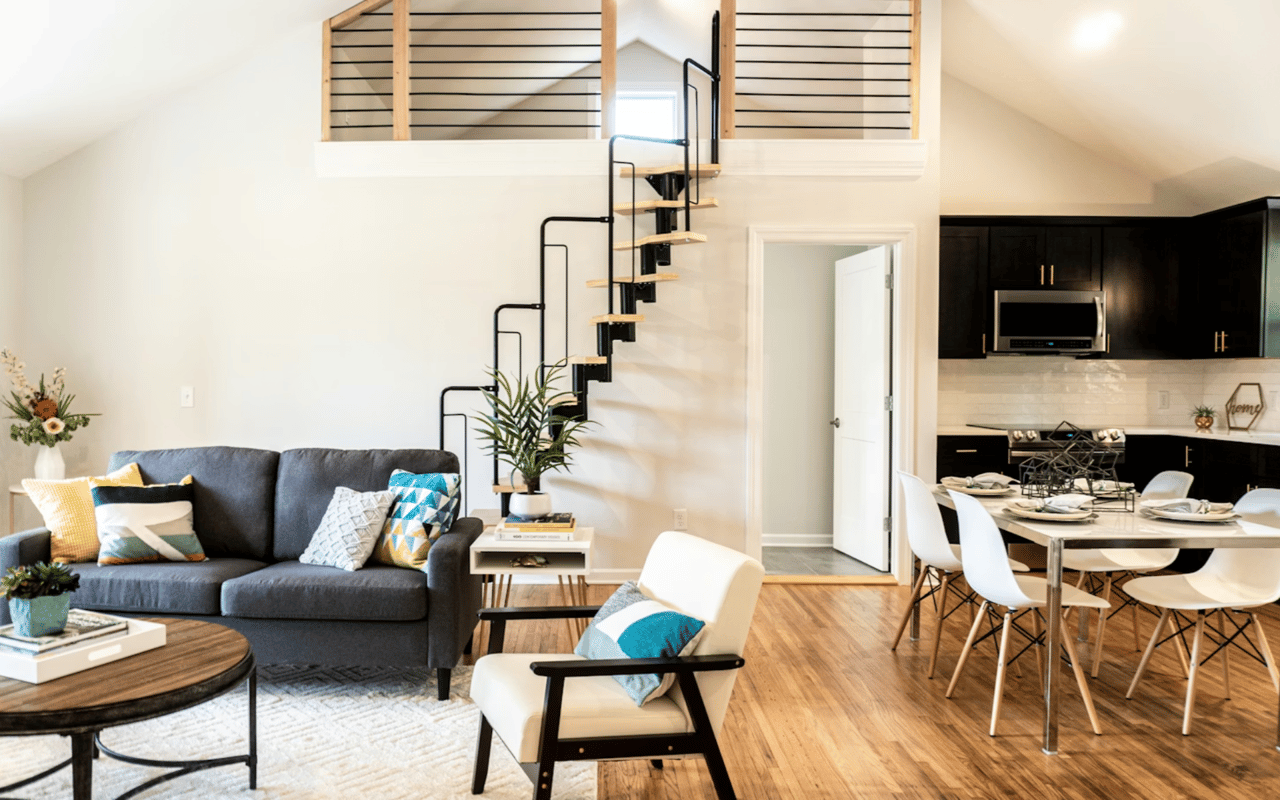
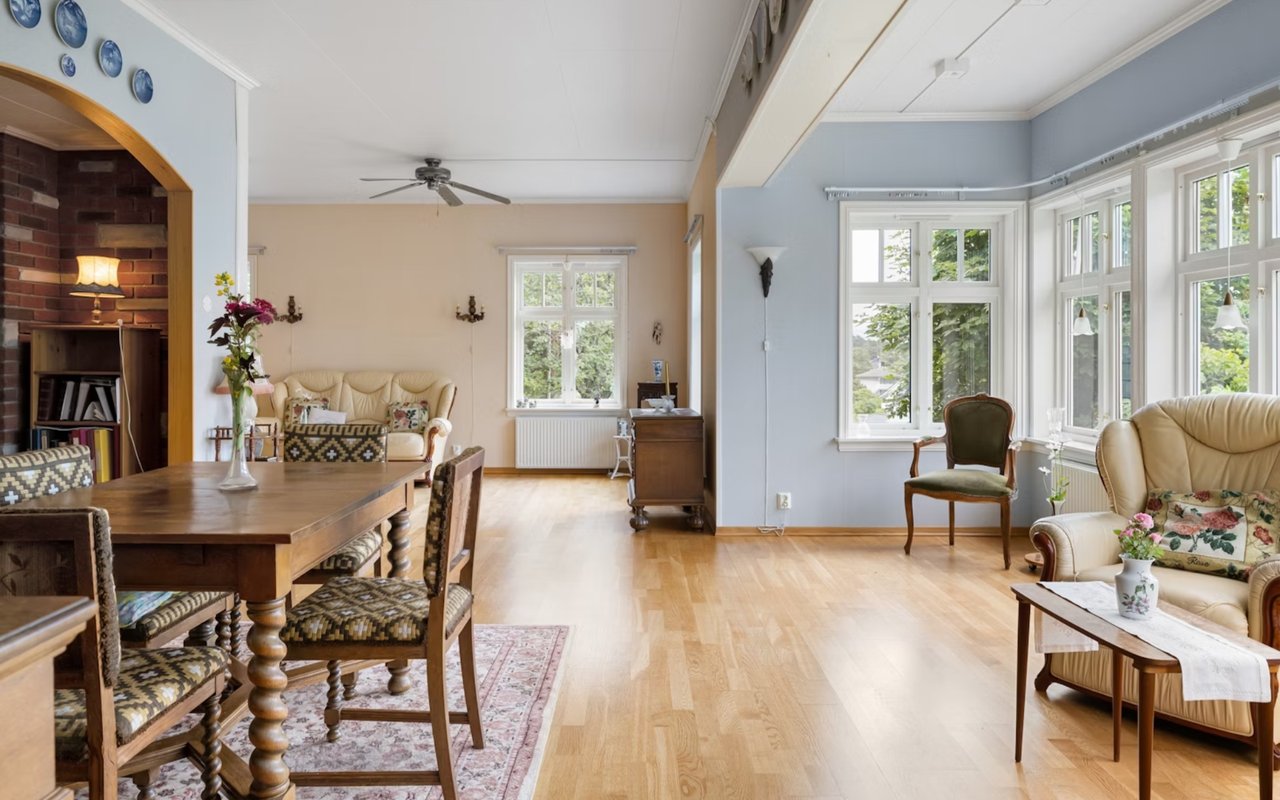
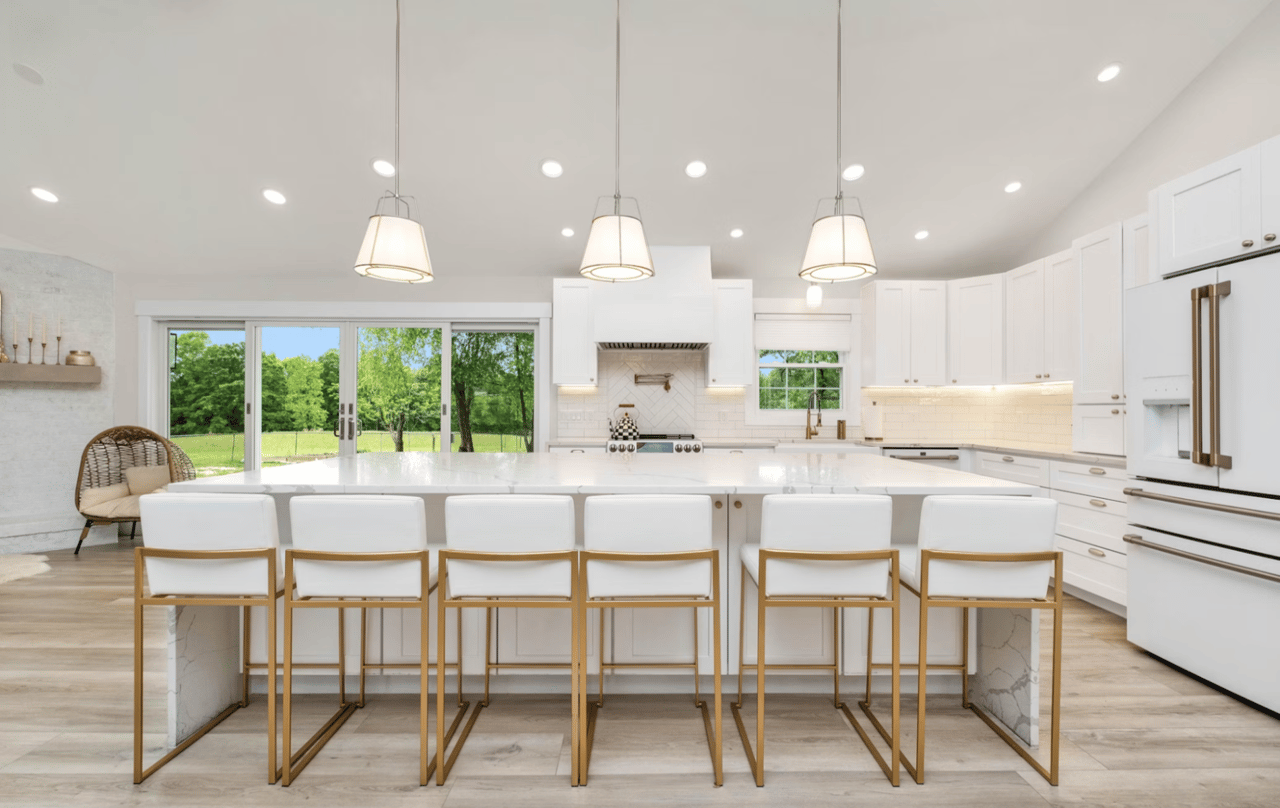
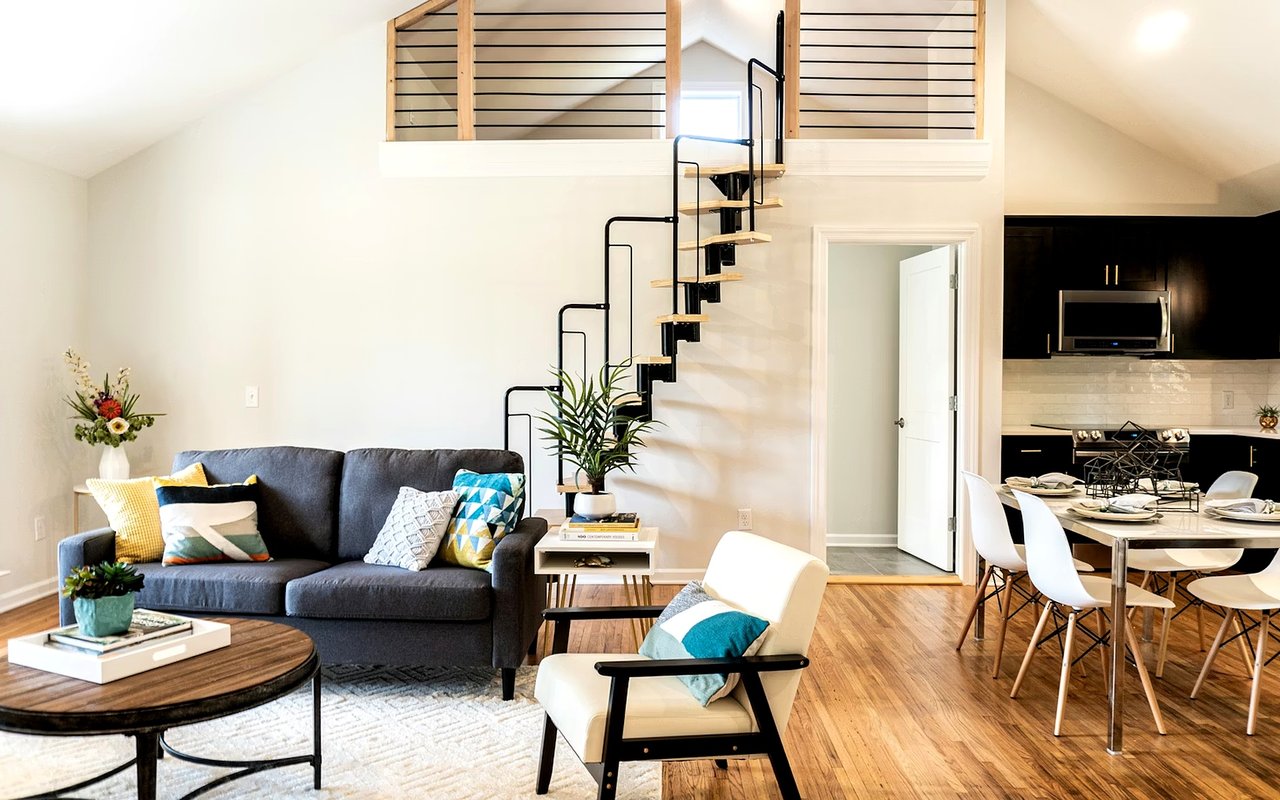
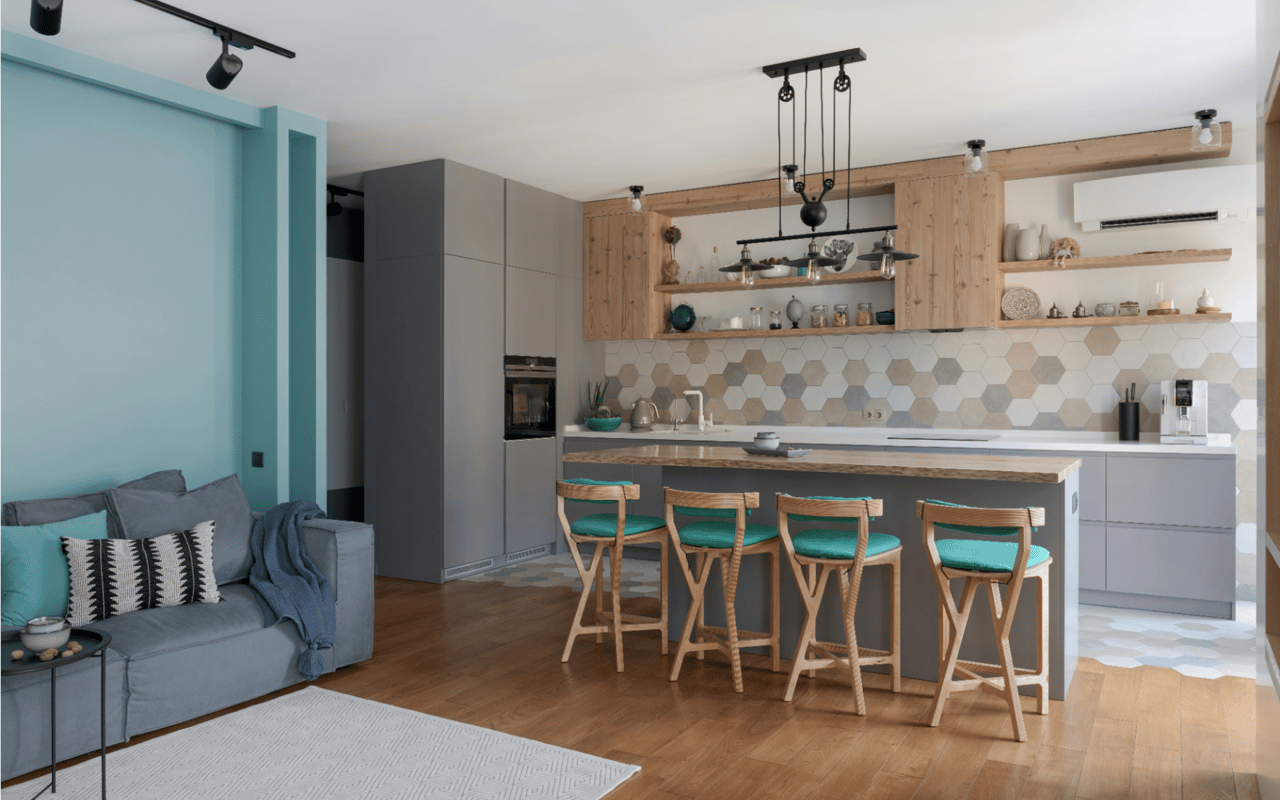
Inside, walk through your home the way a guest would. Where will people naturally gravitate? Is there a clear path from the entryway to where the drinks and snacks are? Is there enough seating to encourage people to linger and talk? You do not need a formal floor plan, but a few minutes spent rearranging the furniture or clearing off surfaces can significantly improve the way that your space functions for a crowd.
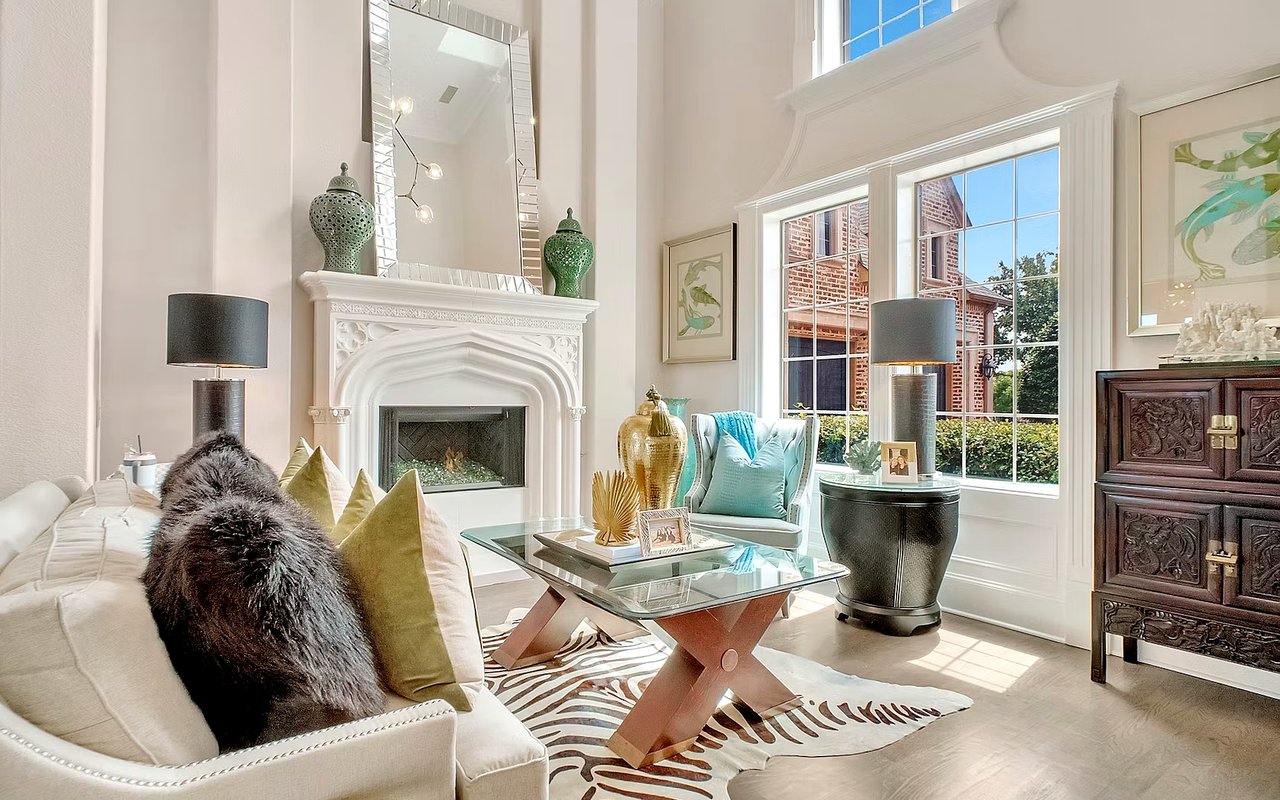
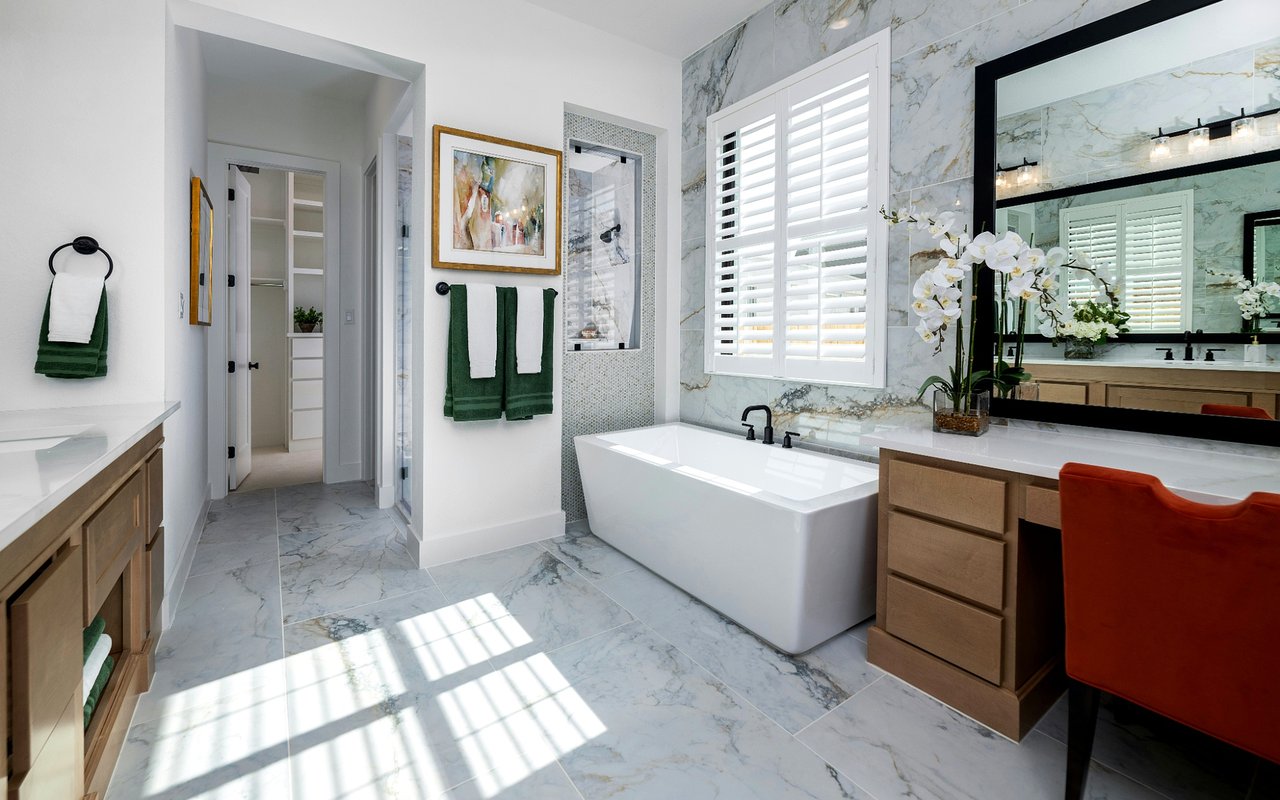
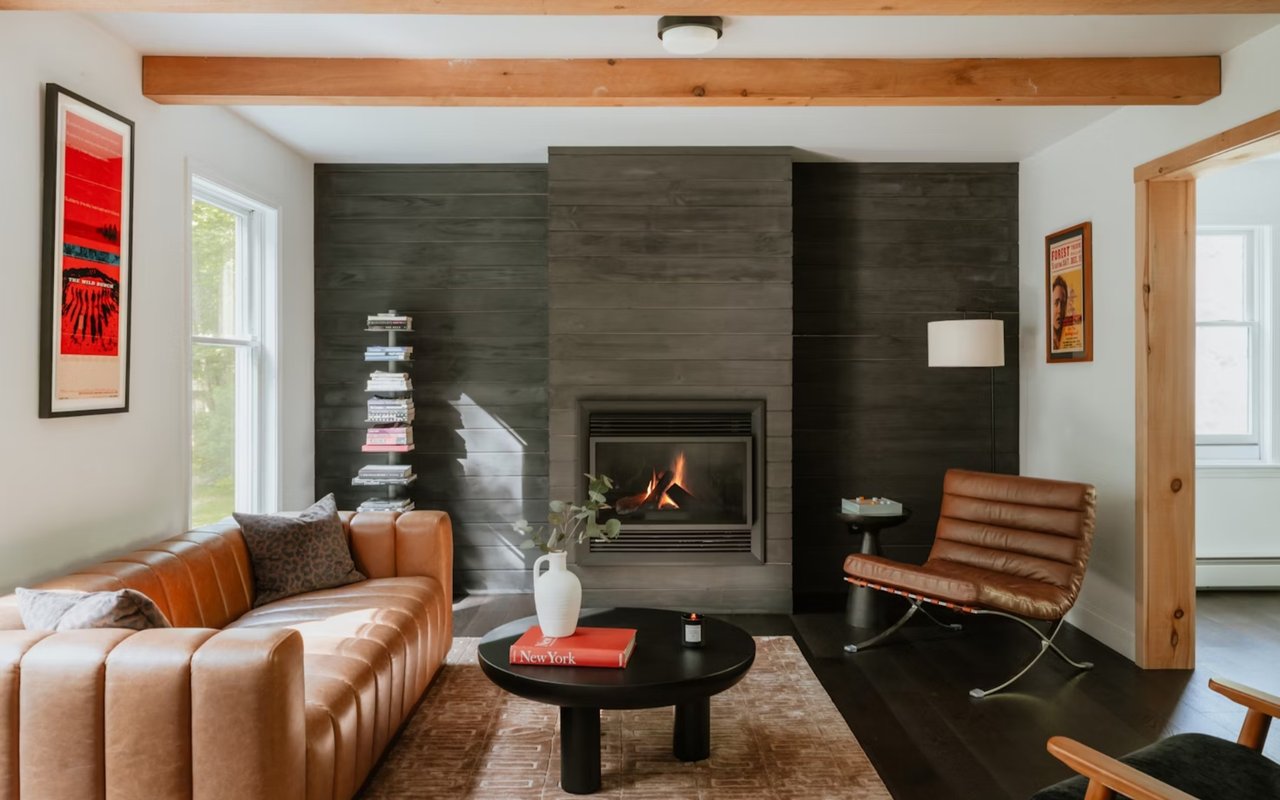
Lighting is one of the most underestimated elements of a great gathering. Overhead lighting tends to feel flat and unflattering. Dimmer switches, floor lamps, and candles can fully transform a room. If your home only has overhead fixtures, adding a few table lamps or LED candles before your guests arrive makes an immediate difference.
“Before-the-Party” Checklist
- Clear and clean all surfaces that guests will see, including countertops, coffee tables, and bathroom vanities.
- Set out extra seating options, such as ottomans, accent chairs, or floor cushions, where space allows.
- Dim overhead lights and supplement with lamps or candles.
- Put on a playlist at low volume so the house feels alive, not silent, when the first person walks in.
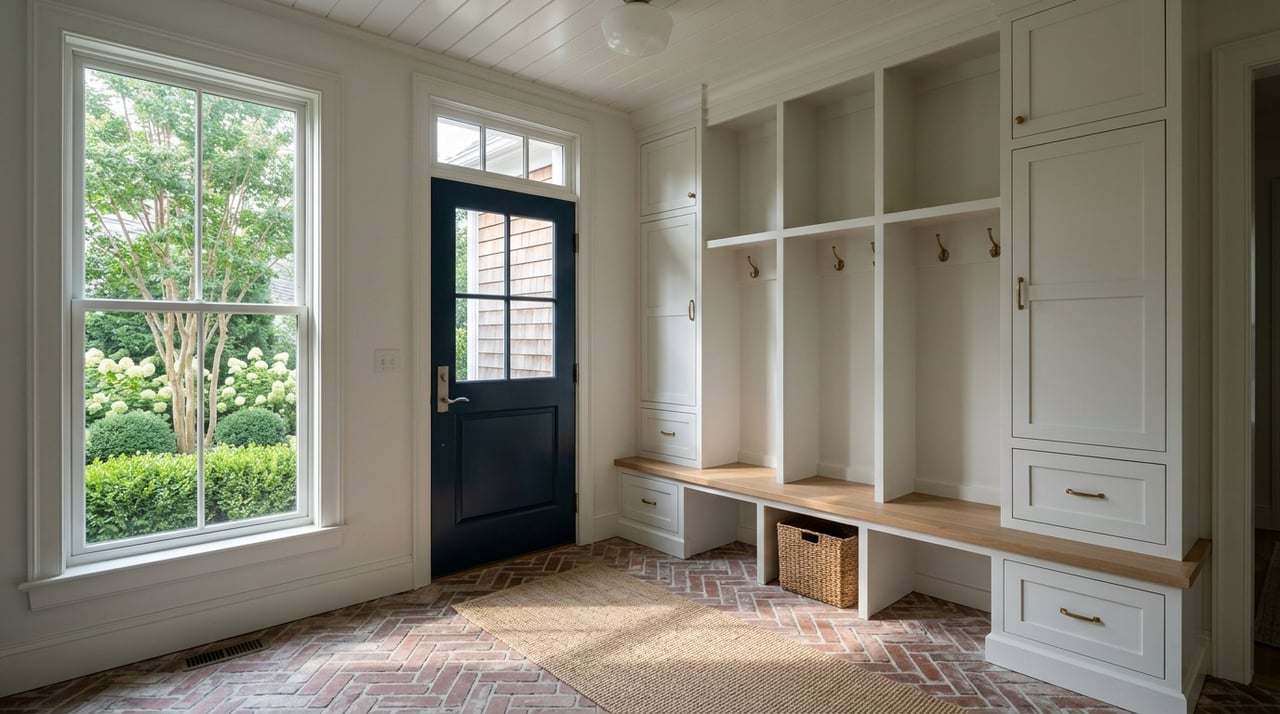
- Designate a spot for coats, bags, and shoes near the entryway to keep common areas tidy throughout the night.
Plan a Menu That Works for You
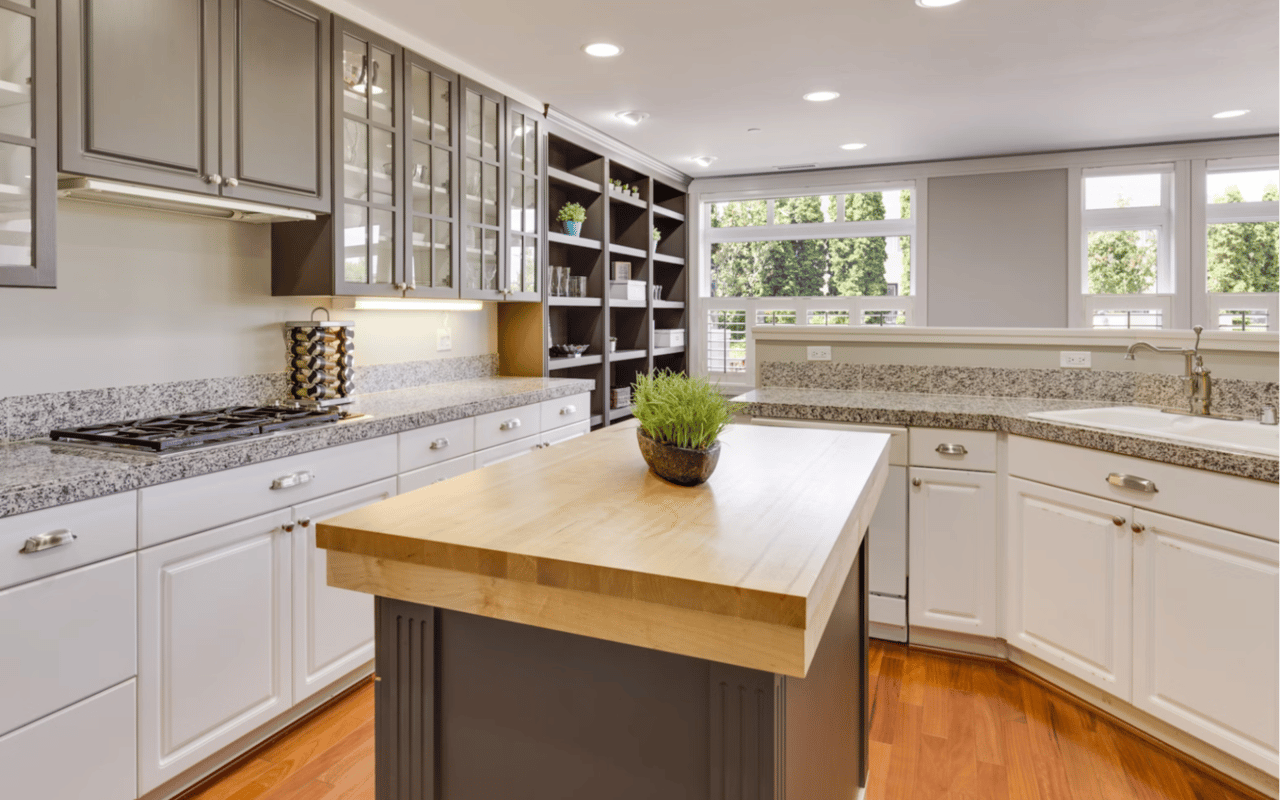
Food is central to any gathering, but an overcomplicated menu is one of the fastest ways to derail your evening. The goal is a spread that feels generous and considered without keeping you trapped in the kitchen while everyone else is talking in the other room. The key is choosing dishes that do most of their work before the guests arrive.
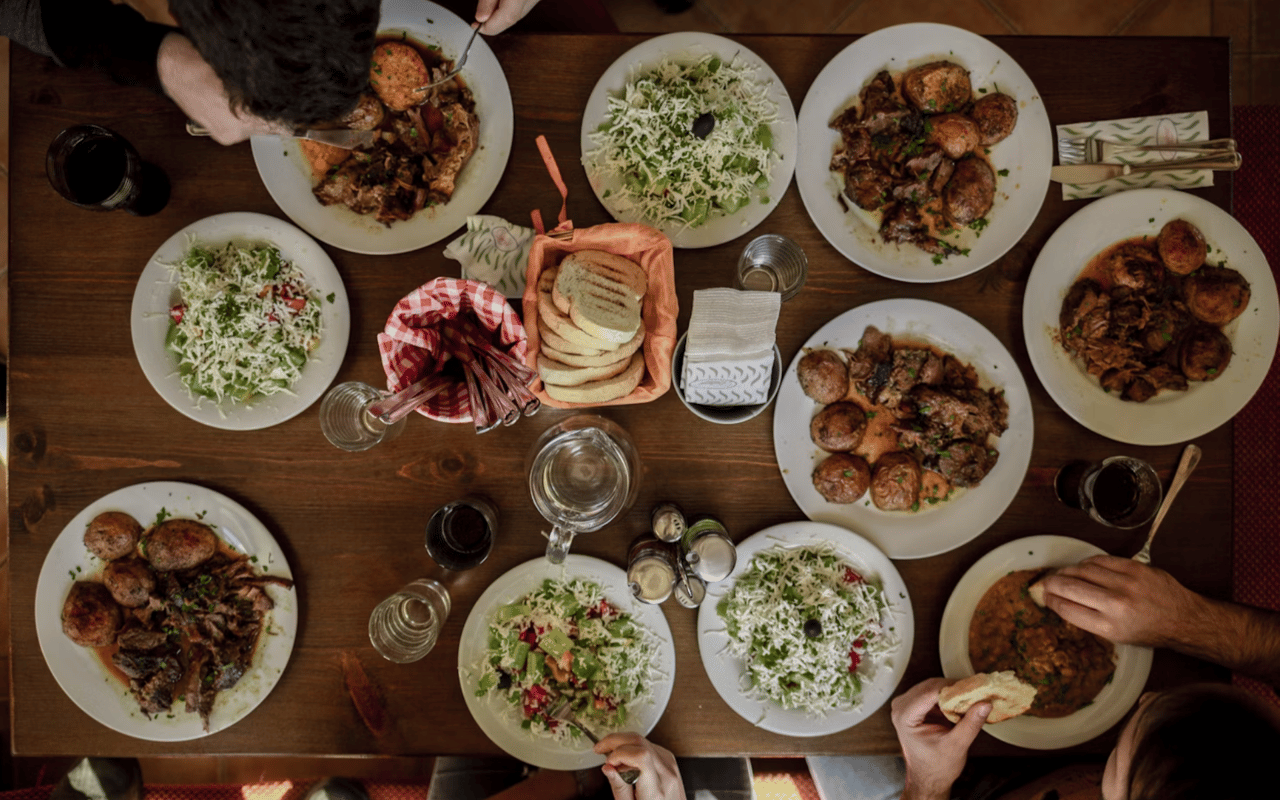
Lean on recipes that can be fully or mostly prepped in advance. Dips, marinated proteins, roasted vegetables, grain salads, and desserts that set in the refrigerator are all workhorses for this reason. If you are hosting a larger group, consider a “build-your-own” format for at least one course. Taco bars, charcuterie spreads, and pasta stations take prep off your plate on the day of the event while giving guests something interactive to enjoy.
Think through dietary needs without making it the centerpiece of the menu conversation. One or two dishes that are naturally vegetarian or gluten-free, and clearly labeled, means that everyone at the table feels considered. It is a detail that guests notice and appreciate, even if they never mention it.
Menu Planning Principles
- Choose one centerpiece dish and build the rest of the menu to support it rather than compete with it.
- Prepare anything that can be made one to two days in advance so that the day of the gathering focuses on finishing touches.
- Serve at least one substantial appetizer so that guests who arrive early have something to eat while dinner comes together.
- Keep the dessert simple; a beautiful store-bought option with a homemade garnish looks intentional and saves time.
- Plan for slightly more food than you think you need; generous hosts never regret having leftovers.
Build an Atmosphere That Feels Effortless
“Atmosphere” is what people mean when they say a gathering felt special. It is the accumulated effect of music, lighting, temperature, and texture working together to create a sense of place. None of these elements need to be expensive or elaborate; they just need to be intentional.
Music is the easiest lever to pull and one of the most powerful. A playlist curated for the occasion signals that you thought about your guests' experience. For dinner parties, instrumental music or low-key jazz keeps energy calm without competing with conversation. For more festive gatherings, a livelier playlist signals the energy you want guests to bring. Keep the volume at a level where people can hear each other easily without having to raise their voices.
Atmosphere Elements Worth Investing In
- A curated playlist for each phase of the evening, from arrival through dinner to late-night conversation.
- One or two large candles or a cluster of smaller ones on a coffee table or dining surface.
- Fresh flowers or greenery, even a simple bunch of eucalyptus or seasonal blooms, add a sense of occasion.
- Temperature control matters more than most hosts expect; slightly cooler than comfortable accounts for body heat from a group.
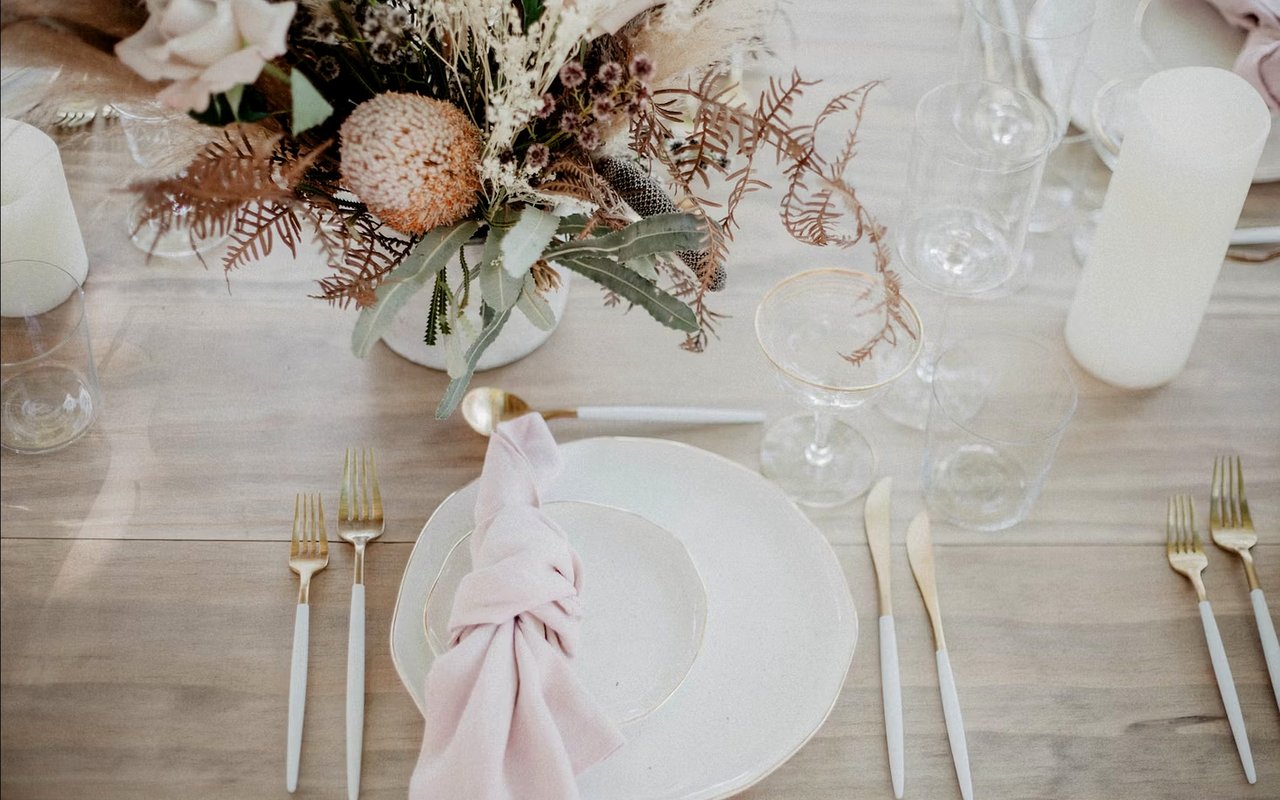
- Textural details like linen napkins, a beautiful table runner, or cloth cocktail napkins elevate a table without significant effort or cost.
FAQs
How Far in Advance Should I Start Planning a Gathering?
For a casual dinner party of six to ten people, one to two weeks of planning is usually sufficient. Larger gatherings or those with more elaborate menus benefit from three to four weeks of lead time, especially if you need to coordinate with guests on timing or dietary needs.
What Is the Best Way to Keep Guests Mingling Instead of Clustering in One Spot?
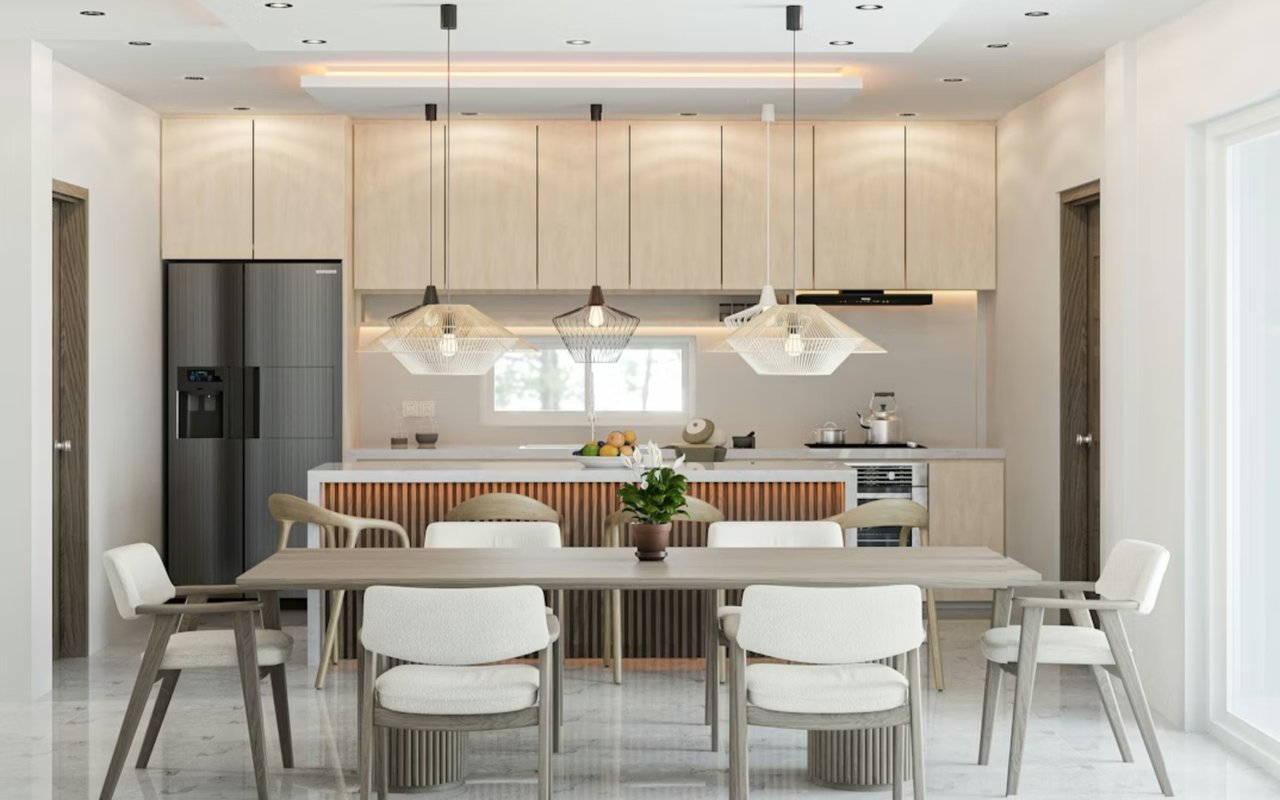
Spread food and drink stations across different areas of your home rather than centralizing everything in one room. When there is a reason to move between spaces, guests follow the activity and form new conversations along the way.
How Do I Handle Guests Who Have Dietary Restrictions Without Making It Awkward?
When you send invitations, simply note that you are happy to accommodate any dietary needs and ask guests to let you know. Building a few naturally inclusive dishes into your menu covers most common restrictions without requiring a separate plate or a conversation mid-dinner.
Find the Hosting Home of Your Dreams
The gatherings people remember are rarely the ones with the most elaborate food or the most decorated table. They are the ones where they felt welcomed, cared for, and comfortable. That feeling comes from a host who was present, relaxed, and glad to have them there.
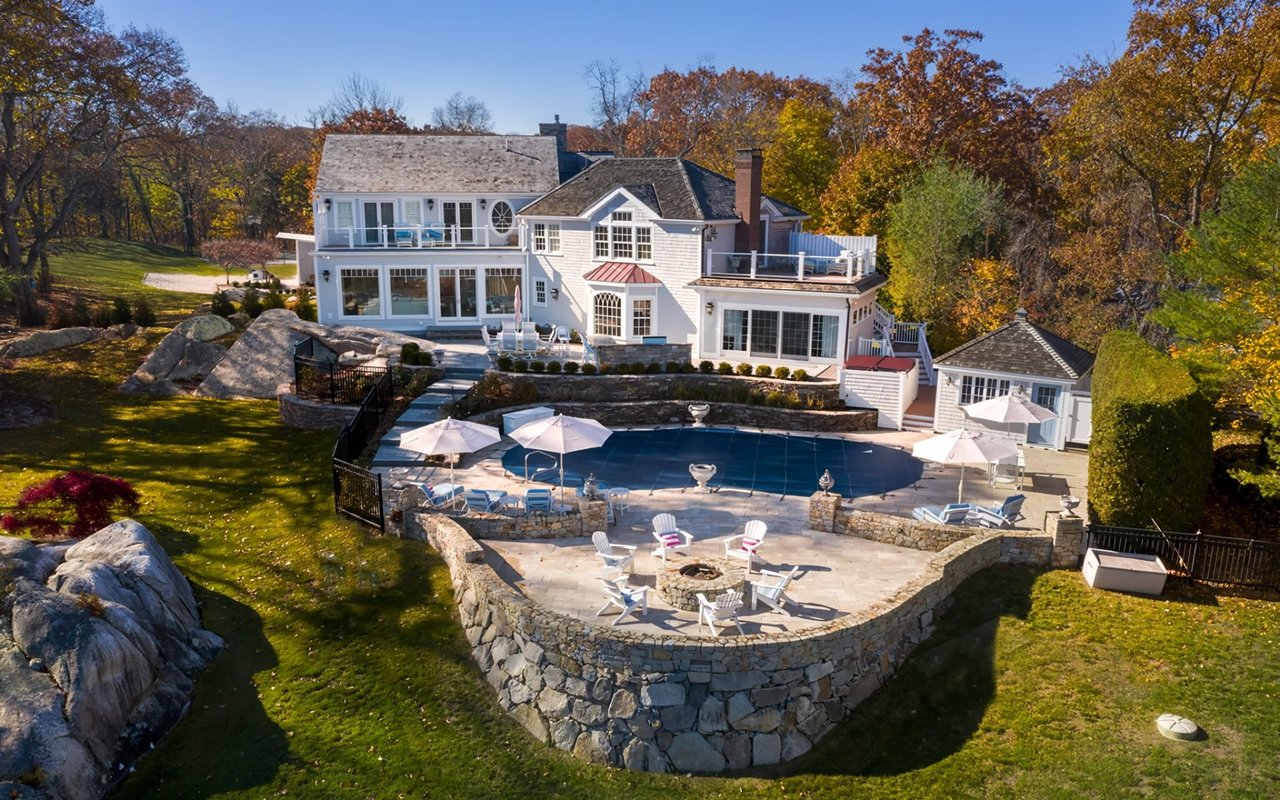
If you are thinking about how your home could better accommodate the way you want to live and entertain, reach out to me, Frank Neer. I would love to help you find a space in Cohasset, MA, that fits your lifestyle and makes hosting feel like second nature.