If you’re thinking about leaving Boston for the South Shore, you’re probably weighing more than square footage. You may want easier access to the water, a different daily pace, or a home that feels better suited to how you live now. The move can be a smart lifestyle shift, but it also changes how you commute, what kind of housing you’ll find, and what due diligence matters most. Let’s take a closer look.
How South Shore living feels different
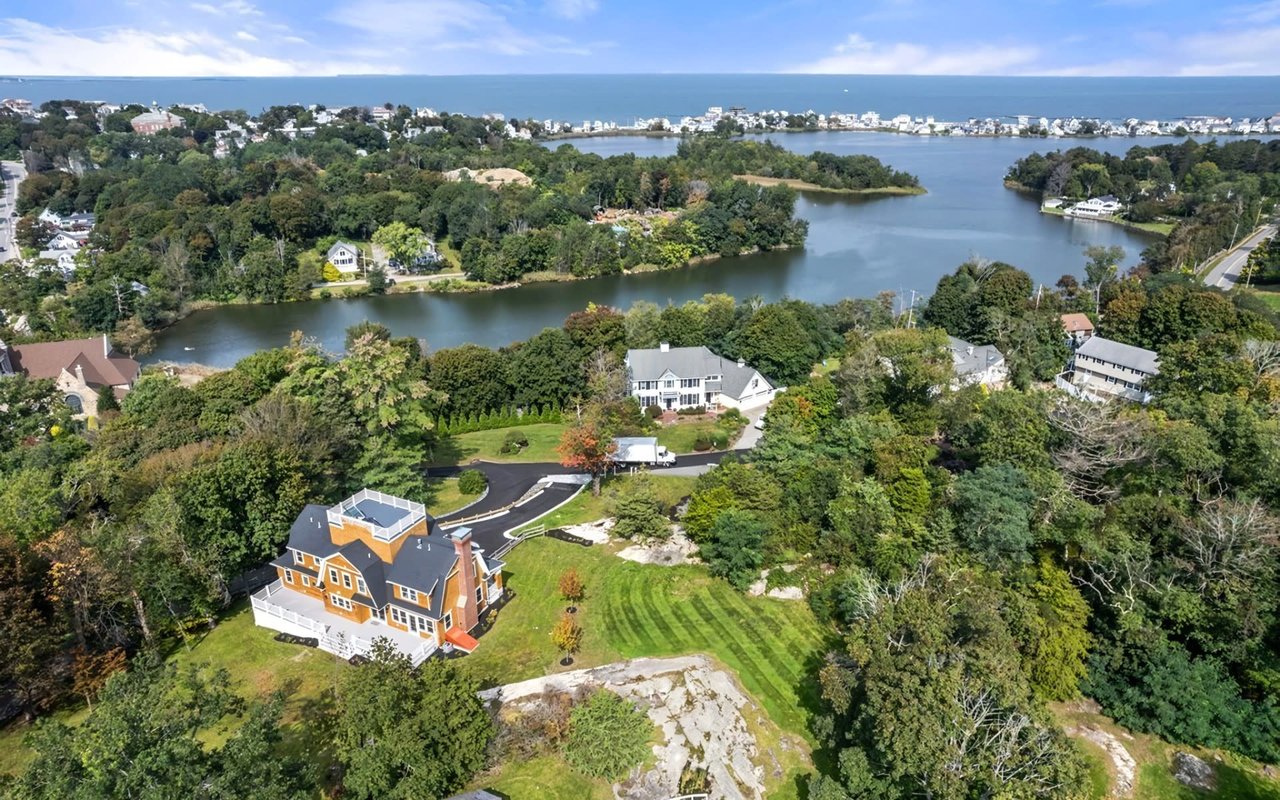
Moving from Boston to the South Shore often means trading a denser, transit-first routine for a coastal-suburban lifestyle shaped by roads, rail, ferries, village centers, beaches, and open space. In practical terms, that can change how you plan your day, how often you drive, and what “convenience” really means for your household.
Towns like Cohasset, Hingham, and Scituate each offer direct ties to Boston, but they do so in a different setting. You’re more likely to think about parking, station access, ferry schedules, and shoreline proximity than you would in many Boston neighborhoods. For many buyers, that trade brings more breathing room and a stronger connection to the coast.
What housing looks like on the South Shore
Cohasset homes and village character
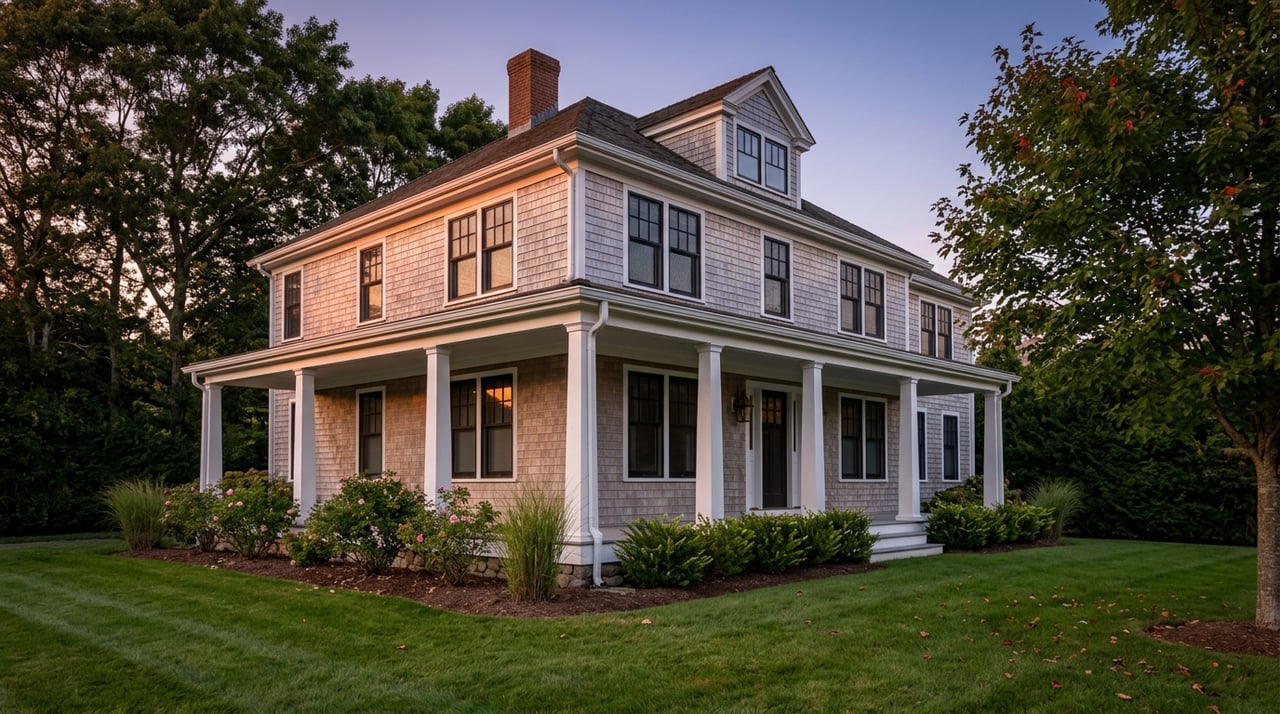
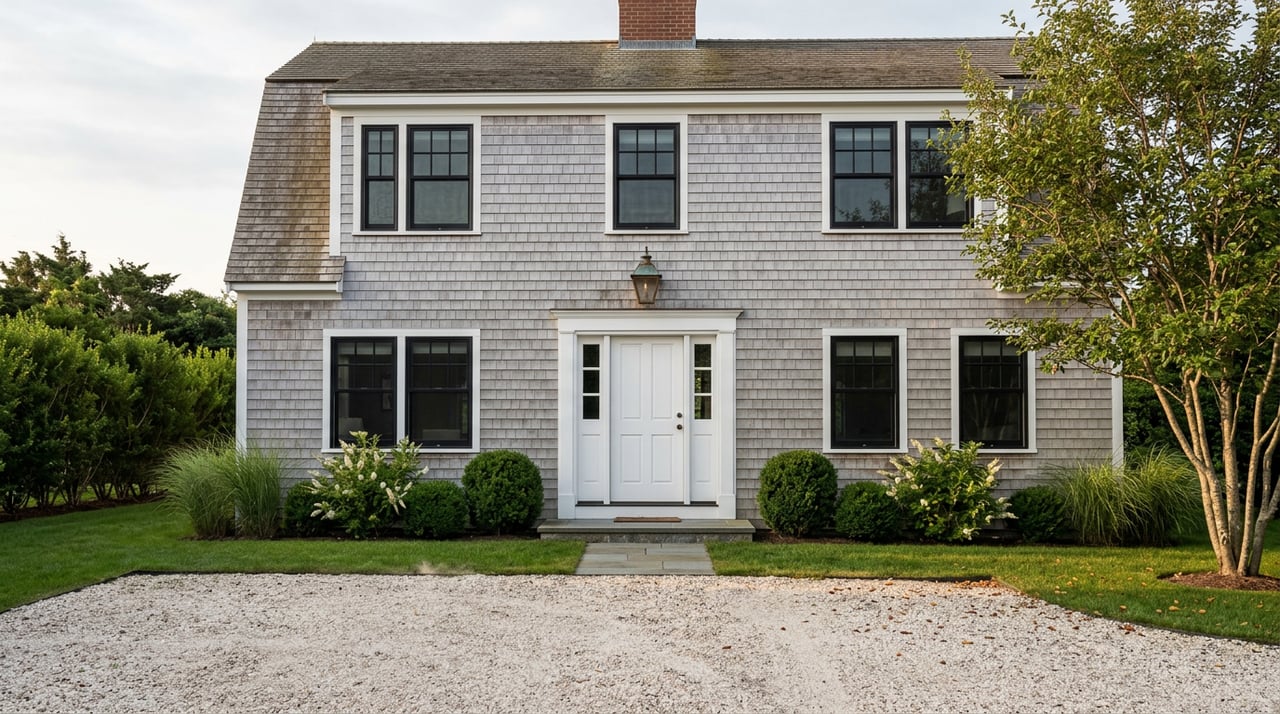
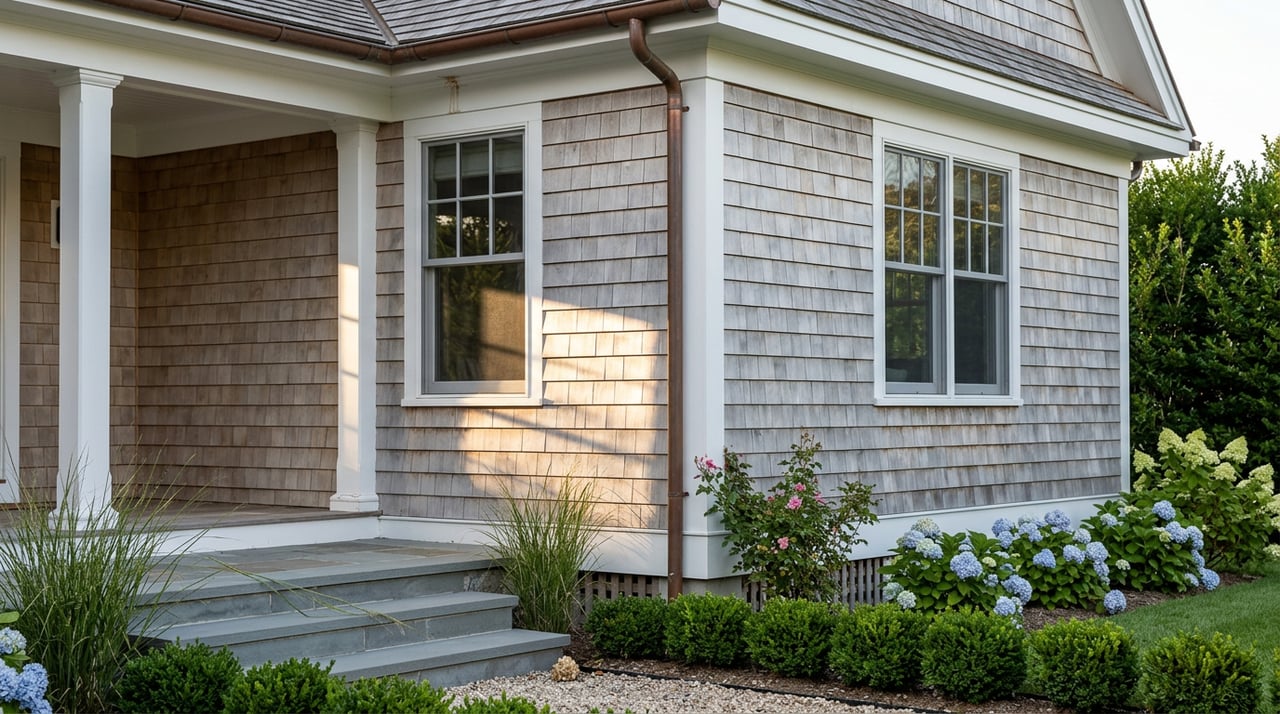
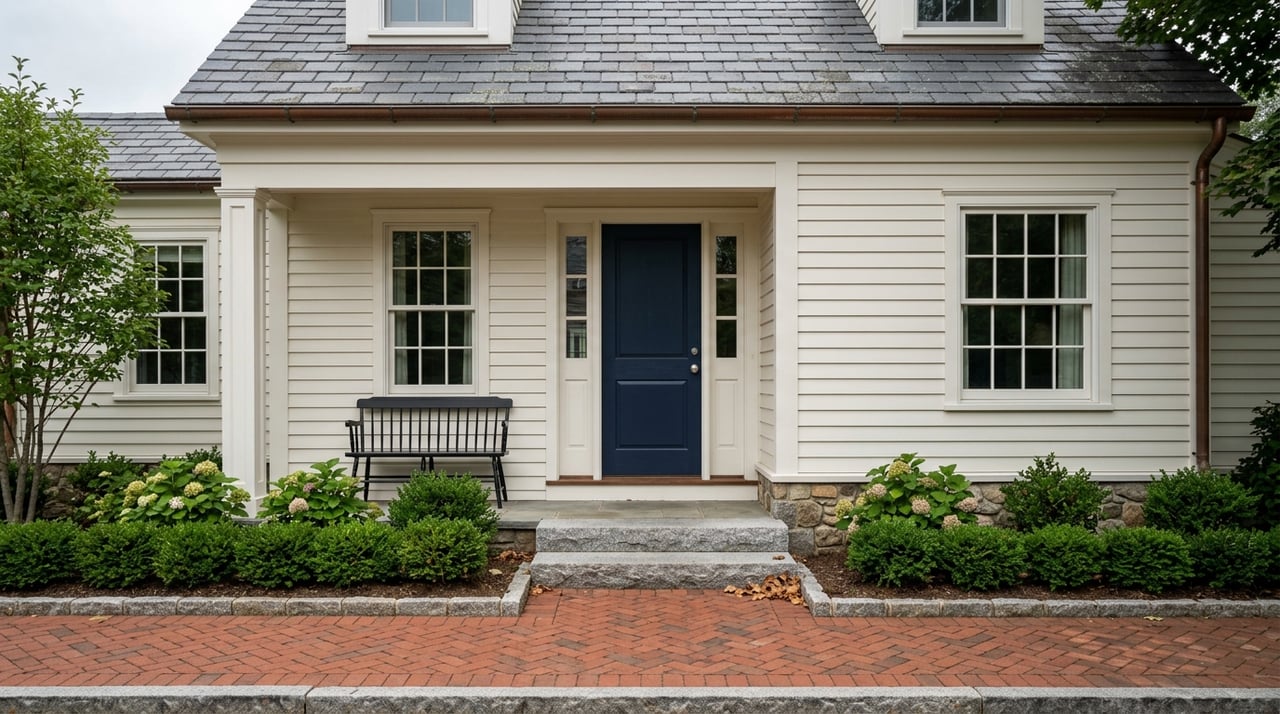
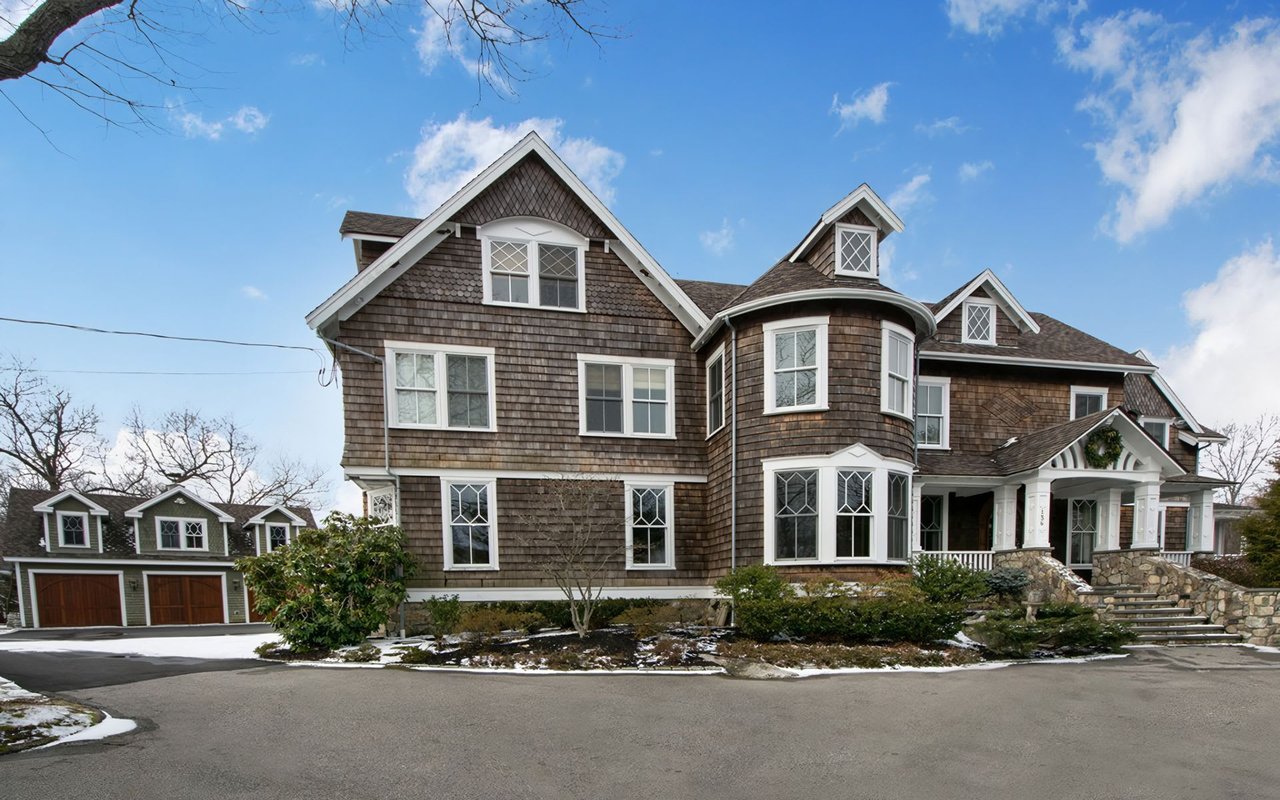
Cohasset is known for a historic town center with Federal, Georgian, Colonial, Italianate Victorian, and Classical Revival buildings around the Common. The town also includes Queen Anne-style summer cottages overlooking the Atlantic, along with newer large single-family homes on relatively small, visible lots.
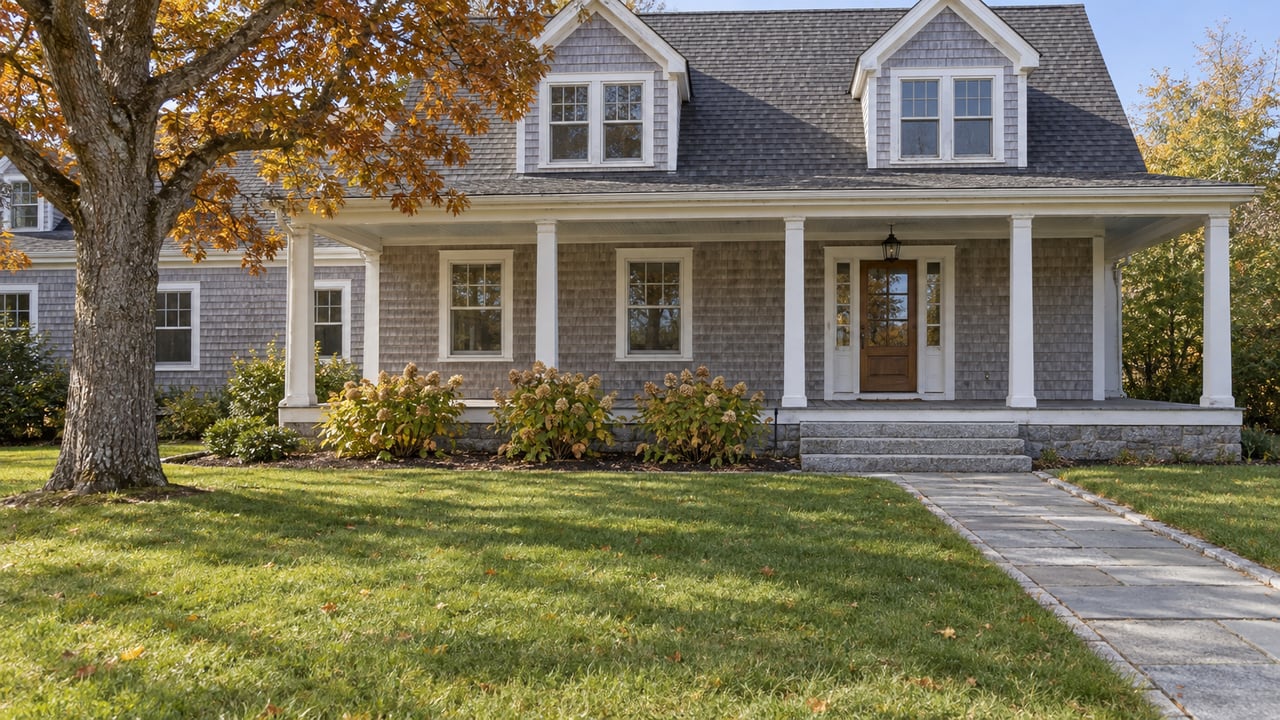
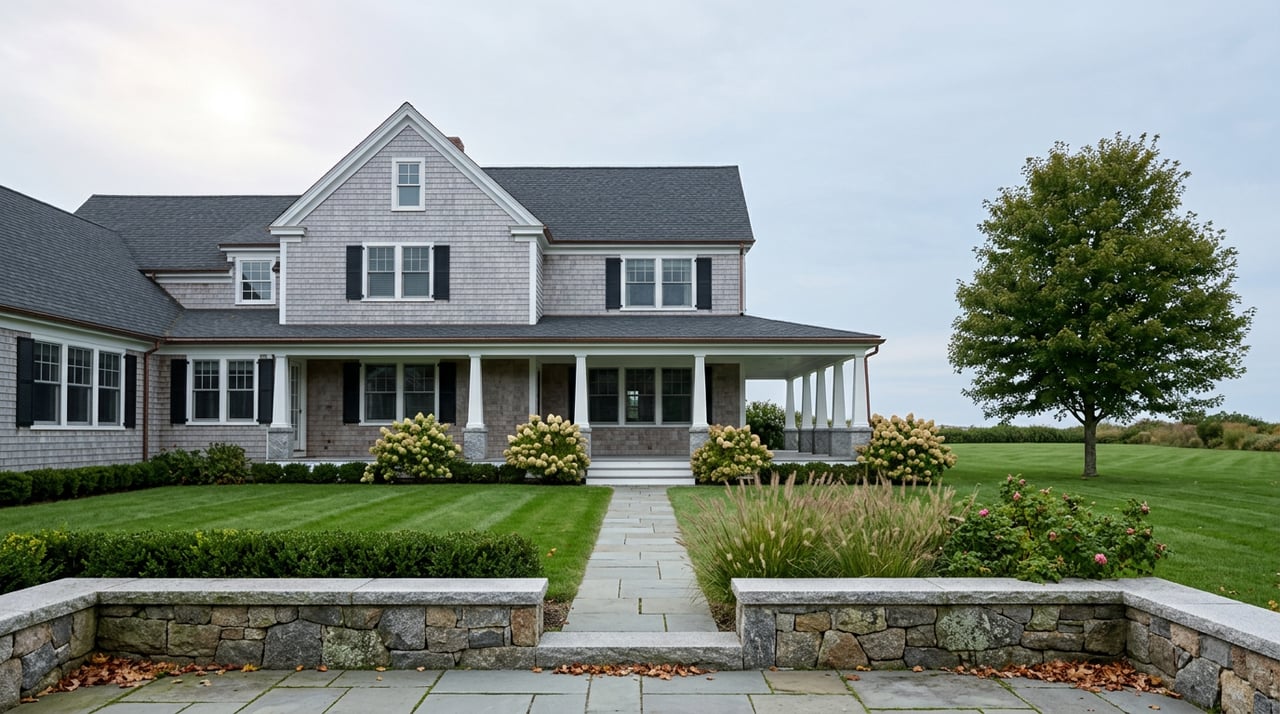
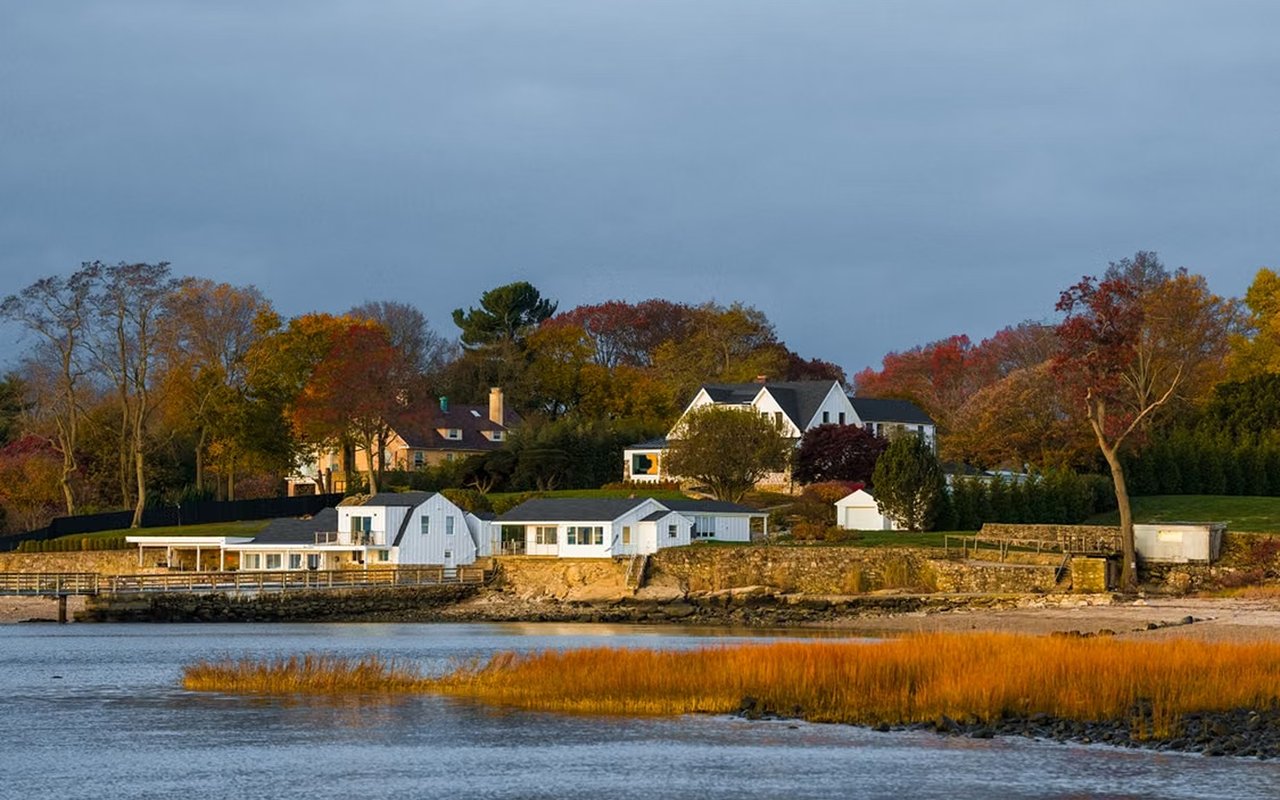
If you’re coming from Boston, Cohasset can feel distinctly coastal and traditional at the same time. You may find homes with architectural character, village proximity, and harbor access, but lot layout, visibility, and maintenance needs can differ quite a bit from city properties.
Hingham homes and shoreline setting
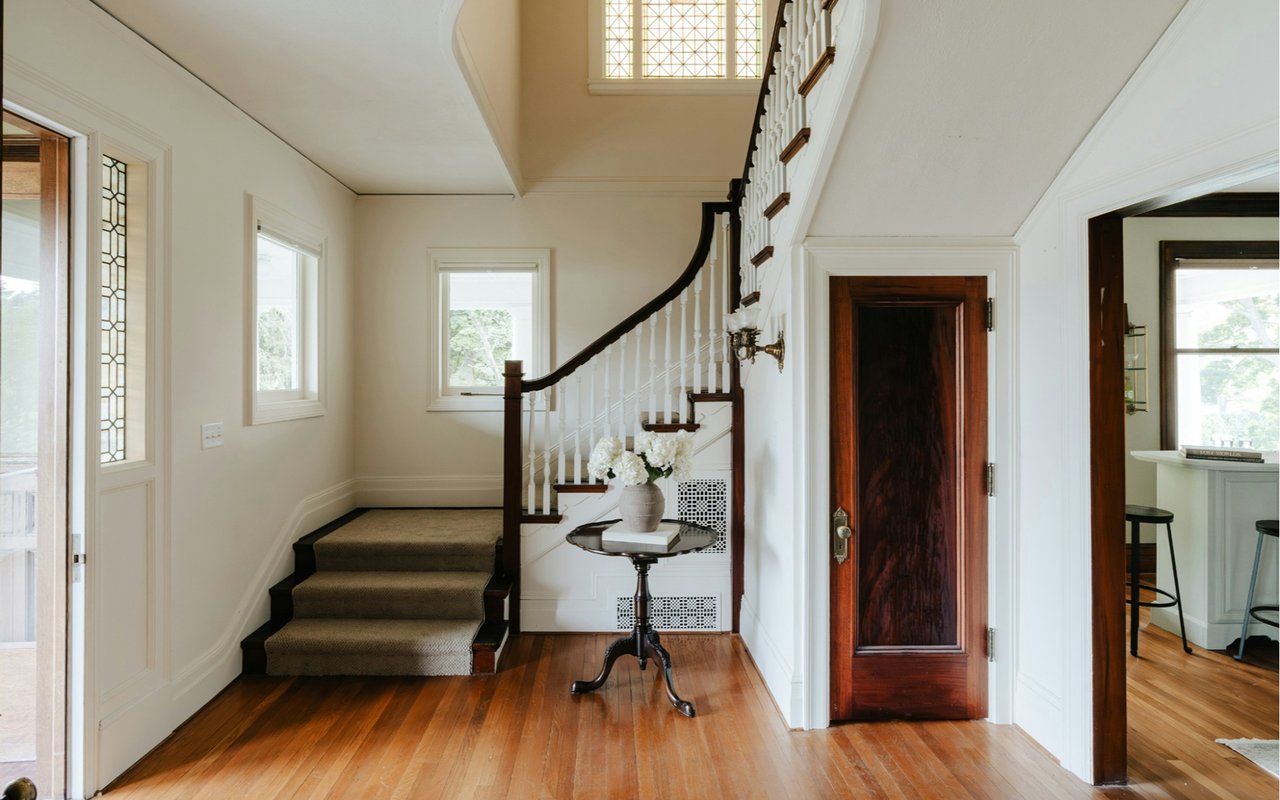
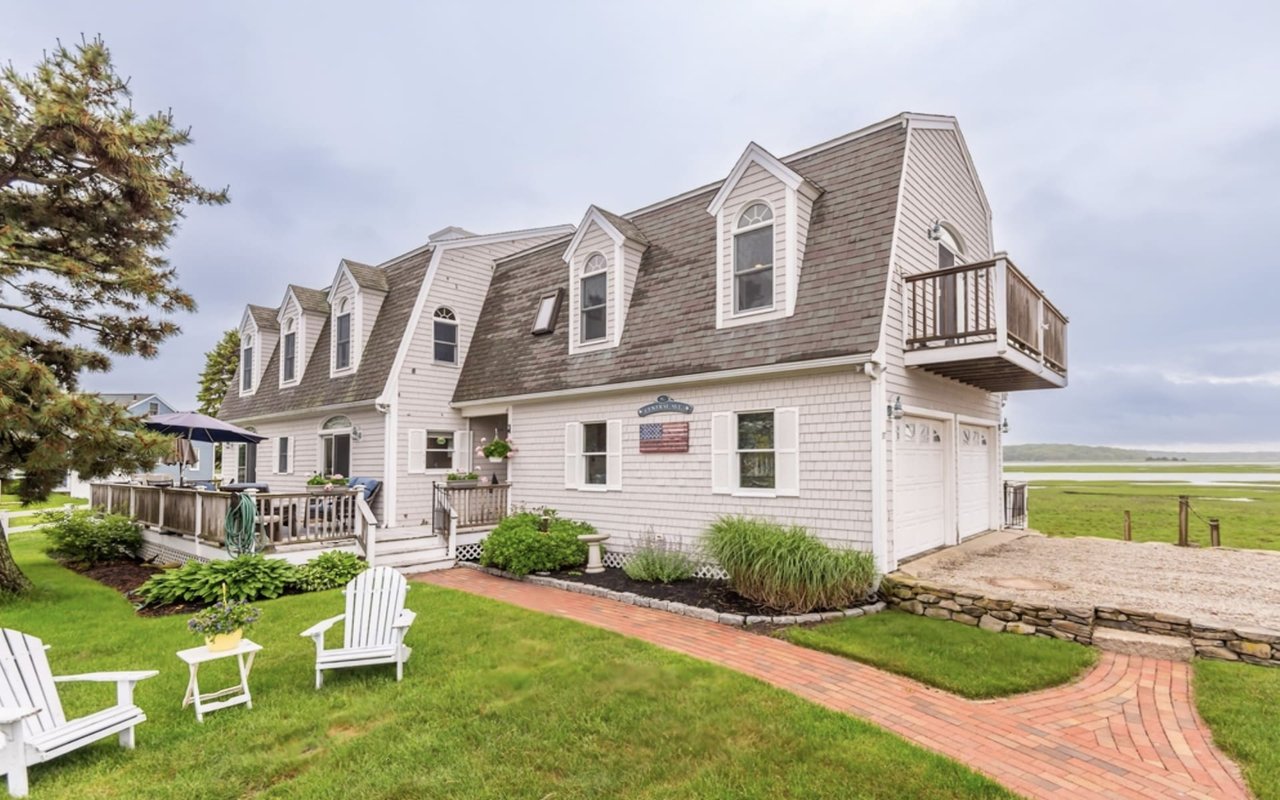
Hingham highlights antique houses, six historic districts, and 21 miles of shoreline. Its housing profile points more toward older single-family homes with historic character and harbor-area or shoreline properties than apartment-style density.
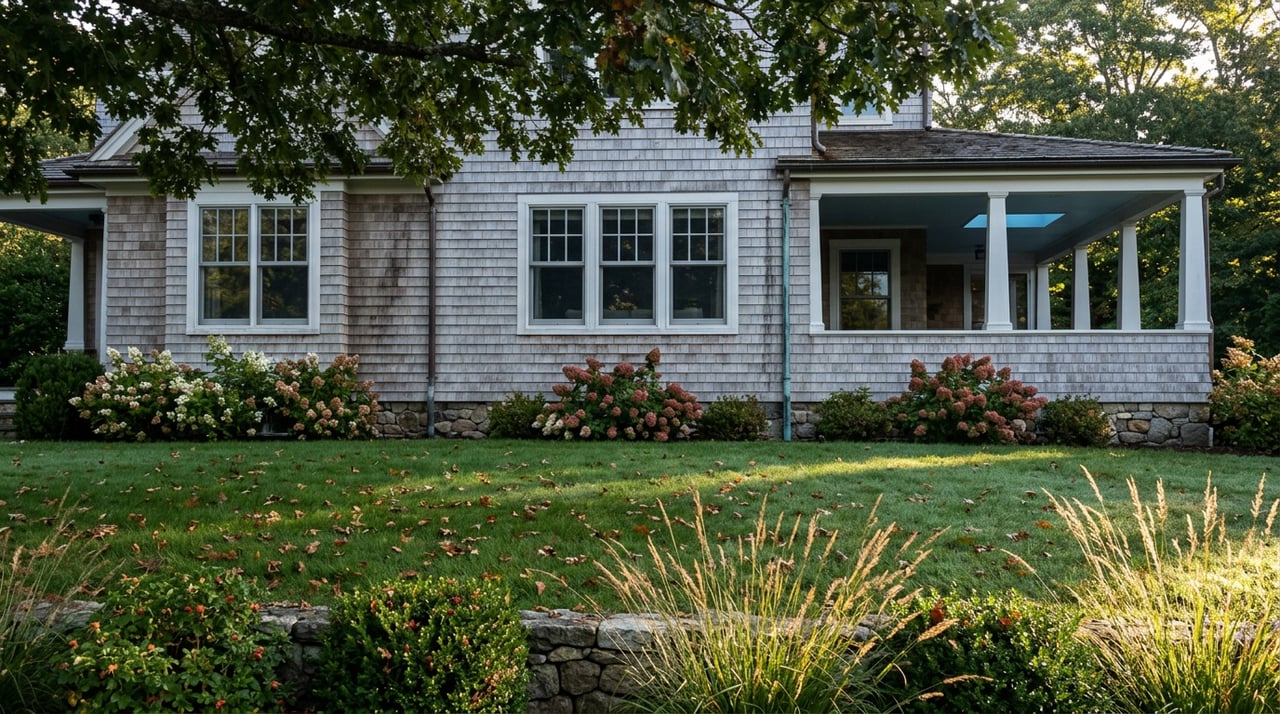
That can appeal if you want a home with architectural history and outdoor access while keeping a strong connection to Boston. It also means your search may focus more on condition, setting, and commuting route than on the kind of building inventory you may be used to in the city.
Scituate housing variety
Scituate offers more internal variety than many buyers expect. Scituate Harbor is described as a mixed-use village with residential condominiums and apartments above shops, while nearby traditional neighborhoods surround the harbor.
The Greenbush-Driftway district adds another layer, with a historic hamlet and a newer development center that includes a broad range of homes and businesses. If you want options beyond a classic single-family coastal home, Scituate may offer more flexibility in housing style and location.
Hull’s coastal constraints and appeal
Hull’s location on a peninsula and barrier beach shapes both lifestyle and housing decisions. The town is centered around Nantasket Beach, and nearly 70% of its land is subject to the Wetlands Protection Act.
That matters if you are considering renovations, additions, or new construction. In Hull, the setting can be a major draw, but it also calls for extra review before you buy.
Commuting from the South Shore to Boston
Train, ferry, and road choices
One of the biggest adjustments after leaving Boston is that your commute may involve more decision points. Instead of relying mainly on one transit system, you may choose among driving, commuter rail, or ferry service depending on where you live and where you need to be.
Cohasset’s transportation planning identifies Route 3A as a key roadway, and its analysis describes the Greenbush Line as reaching South Station in about 45 minutes. Hingham offers Greenbush Line commuter rail, commuter boat service to Rowes Wharf, and highway access via Routes 3, 3A, and 228. Scituate’s Greenbush station provides daily South Station service, with local bus and trail connections to Scituate Harbor.
Why last-mile access matters
For many Boston buyers, the biggest surprise is not the train ride itself. It’s everything around it. Station location, parking, ferry access, and the drive or walk at each end of the trip can have a real impact on your day-to-day routine.
Hull adds another practical detail. Ferry parking can be restricted to residents or, for nonresidents, subject to paid parking. If ferry service is part of your plan, it is worth understanding how access actually works before you choose a town or property.
Lifestyle changes you may notice right away
More water and open space
The South Shore offers a more outdoor- and water-oriented lifestyle than many Boston buyers are used to. Cohasset emphasizes harbor access, town docks, beaches, sailing, kayaking, and a village center. Hingham highlights major open-space destinations including Bare Cove Park, World’s End, and Wompatuck State Park.
Scituate brings five beaches, marinas, a harborwalk, and an active summer boating season. Hull is closely tied to Nantasket Beach and its barrier-beach environment. If your goal is to be closer to the shoreline and spend more time outdoors, this move can deliver that in a meaningful way.
A different pace of daily life
Boston often makes spontaneity easy. On the South Shore, your routine may become more structured around driving routes, train times, weather, beach traffic, or seasonal activity.
For many people, that trade feels worthwhile because it comes with more space, a coastal setting, and a stronger sense of separation between work and home. The key is making sure the pace matches what you actually want, not just what sounds appealing during a weekend visit.
Coastal due diligence is part of the move
Flood zones and insurance
If you are moving closer to the coast, property due diligence becomes especially important. Flood maps are the official tool for checking a property’s flood zone, and coastal flooding is a common risk. Flood insurance is also separate from standard homeowners insurance, and Massachusetts notes that standard homeowners insurance does not cover flood damage.
In other words, a beautiful coastal setting should always be matched with a careful review of flood exposure and insurance needs. This is especially important if you are comparing properties with harbor, beach, or marsh proximity.
Wetlands and property restrictions
Some South Shore properties come with environmental or regulatory constraints that may affect how you use the home over time. Hull’s conservation guidance highlights flood control, storm-damage prevention, and wetlands regulation. Cohasset’s historic preservation materials also note that the Government Island Historic District is vulnerable to flooding.
If you are considering renovations, additions, or long-term updates, these factors should be part of your decision early on. Coastal ownership can be very rewarding, but it benefits from careful planning.
Questions to ask before you move
Before you make the jump from Boston to the South Shore, it helps to get specific about your priorities. A move like this tends to go more smoothly when you evaluate daily life, not just listing photos or weekend impressions.
Ask yourself:
- How much commute time feels realistic if you are driving, taking the train, or using a ferry?
- Do you want a village-center setting, a harborfront lifestyle, or a quieter residential location?
- How important are parking, garage space, and easy access to a station or ferry?
- Are you comfortable reviewing flood zones, insurance needs, wetlands constraints, and salt-air maintenance?
- Are you looking for a full-time home, a second home, or a property that could serve both purposes?
Finding the right South Shore fit
The South Shore is not one single lifestyle. Cohasset, Hingham, Scituate, and Hull each offer a different mix of housing, commute options, shoreline access, and day-to-day rhythm. What feels ideal for one buyer may feel too busy, too quiet, or too car-dependent for another.
That’s why a move from Boston works best when you match your home search to how you really live. If you want experienced local guidance on navigating the transition from Boston to the coast, Frank Neer can help you evaluate the right towns, property types, and lifestyle tradeoffs with confidence.
FAQs
What should Boston buyers know about commuting from the South Shore?
- Commuting may involve a mix of driving, commuter rail, and ferry service, so station access, parking, and last-mile logistics often matter as much as the trip itself.
What should Boston buyers know about housing styles on the South Shore?
- South Shore housing often includes single-family homes with historic or coastal character, with more variety in places like Scituate that also offer condos and mixed-use village living.
What should homebuyers know about flood risk on the South Shore?
- Buyers should review official flood maps, understand that flood insurance is separate from standard homeowners insurance, and factor coastal risk into the purchase decision.
What should buyers know about property restrictions in Hull?
- Hull’s barrier-beach setting and wetlands regulations can affect renovation and new-construction decisions, so extra due diligence is important.
What should movers from Boston consider when choosing a South Shore town?
- It helps to compare commute style, housing type, village versus shoreline setting, parking needs, and comfort with coastal maintenance before deciding where to buy.