By Frank Neer
If you've ever woken up after eight hours feeling like you barely closed your eyes, your home might be part of the problem. Sleep quality isn't just about how long you're resting; it's about the environment you're sleeping in. From the materials on your mattress to the temperature of your room to the way light filters through your windows at dawn, every detail of your bedroom shapes how deeply and consistently you rest. And for homeowners in Cohasset, where the pace of coastal living invites a certain intentionality, designing a home around sleep is both a lifestyle upgrade and a long-term investment in your health.
Understanding how your environment affects your body's natural rhythms is the first step. Your circadian clock responds to light, temperature, sound, and even texture, and your bedroom is either working with those signals or against them.
The good news is that you don't need a full renovation to make your bedroom a better place to sleep. Many of the most impactful changes are surprisingly straightforward. This guide walks you through the key areas to focus on, so you can move through your home with sleep in mind from the moment the sun goes down to the moment your alarm goes off.
Key Takeaways
- Light management is one of the most powerful tools for improving sleep quality, and the right window treatments can make a world of difference.
- Room temperature plays a direct role in how quickly you fall asleep and how deeply you stay asleep.
- Noise and air quality are often overlooked factors that affect sleep continuity throughout the night.
- Thoughtful furniture arrangement and a decluttered space can reduce mental stimulation and help your brain shift into rest mode.
- Small, consistent design choices compound over time into a meaningful improvement in how rested you feel each day.
Light Control: Your Bedroom's Most Important Feature
Light is the primary signal your brain uses to regulate the sleep-wake cycle. When light enters your eyes, even at low levels, it suppresses melatonin production and tells your mind it's time to be alert. That means the streetlight outside your window, the glow of an early Cohasset sunrise off the water, or the hallway light under your door can all interrupt the quality of your sleep in ways you may not even notice.
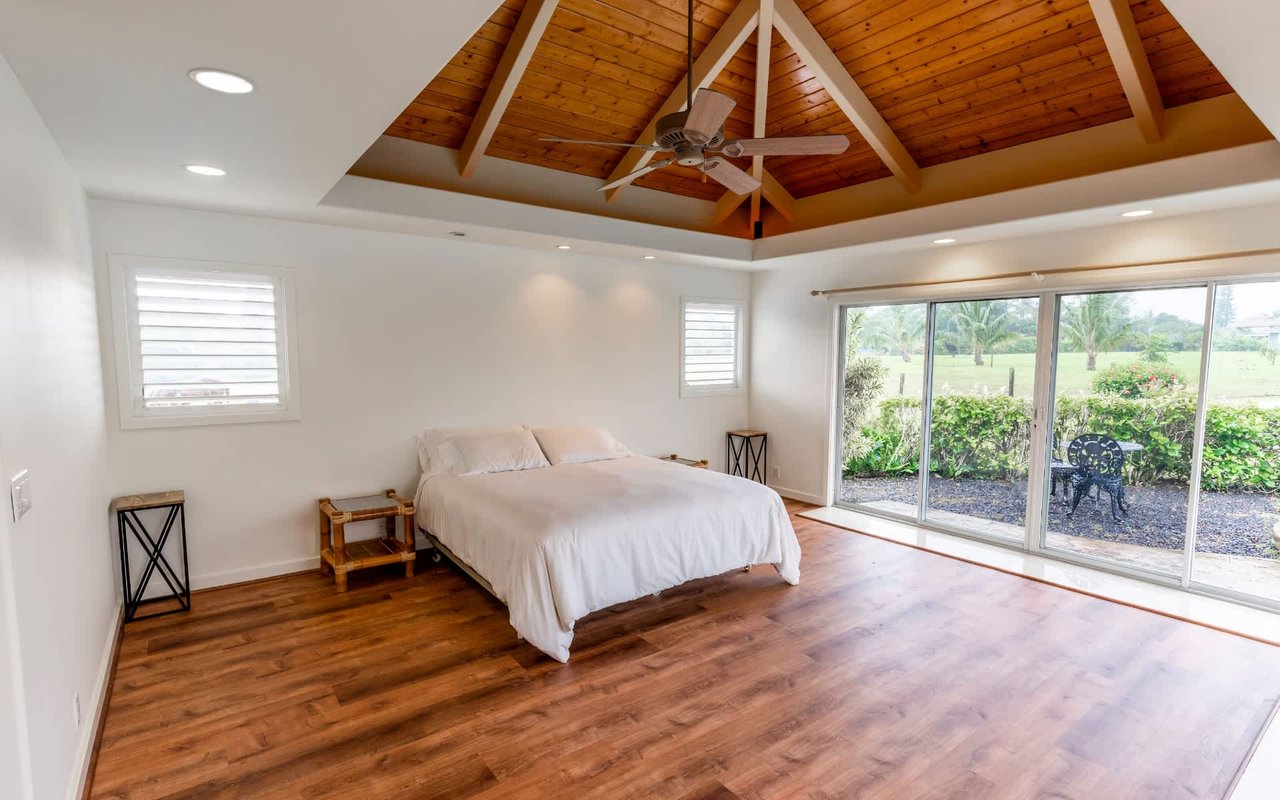
Blackout curtains or cellular shades with a blackout liner are among the most effective investments you can make in your bedroom. They don't have to sacrifice style; today's options come in a wide range of fabrics, textures, and colors that can complement any interior design aesthetic. The goal is full coverage around the window frame, since light that sneaks in along the edges is just as disruptive as an uncovered window.
Beyond window treatments, think about the artificial light sources in your bedroom. Warm, dim lighting in the hour before bed supports melatonin production, while bright overhead lighting does the opposite. Swap out harsh bulbs for warm-toned LEDs, and consider adding a bedside lamp on a dimmer so that you can control the intensity of light as the evening winds down.
Lighting Choices That Support Sleep
- Blackout curtains or shades with full-frame coverage to block all external light sources.
- Warm white or amber-toned bulbs (2700K or lower) in bedside lamps and bedroom overheads.
- Dimmable switches or smart bulbs that allow you to gradually reduce light intensity in the evening.
- Eliminating LED indicator lights from chargers, televisions, and other electronics, or covering them with electrical tape.
Temperature: The Overlooked Sleep Variable
Most sleep researchers agree that a slightly cool room, typically somewhere between 65 and 68 degrees Fahrenheit, is optimal for deep, restorative sleep. Your core body temperature naturally drops as you fall asleep, and a cooler room supports that process. If your bedroom runs warm, your body has to work harder to cool itself, which can cause fragmented sleep and restless nights even if you don't fully wake up.
In Cohasset, where seasons shift meaningfully from humid summers to cold New England winters, managing bedroom temperature requires year-round attention. In warmer months, ceiling fans set to run counterclockwise at a low speed can create a gentle breeze that makes the room feel several degrees cooler without actually lowering the thermostat. In winter, layering the bedding rather than cranking the heat gives you more control over your personal comfort without overheating the room.
Mattress and bedding materials matter here as well. Natural fibers, such as cotton, linen, and wool, regulate temperature more effectively than synthetic alternatives. If you tend to sleep warm, look for mattresses with cooling gel layers or latex cores, which disperse heat more efficiently than traditional memory foam.
Ways to Regulate Bedroom Temperature for Better Sleep
- Setting a programmable thermostat to drop the bedroom temperature approximately 30 minutes before your target bedtime.
- Using a ceiling fan on a low setting to improve air circulation without creating a cold draft.
- Choosing breathable, natural-fiber bedding fabrics, such as cotton percale or linen, which wick away moisture and regulate warmth.
- Considering a mattress topper with cooling properties if your current mattress retains heat.
Sound and Air Quality
Even if you live in a quiet area, sound intrudes in subtle ways. A neighbor's car, a dog barking a few streets over, wind off the harbor, the hum of a heating system kicking on. These sounds may not wake you fully, but they can pull you out of deep sleep stages repeatedly through the night. Over time, that fragmentation adds up.
White noise machines or fans set to a consistent low hum can mask these variable sounds and create a more stable acoustic environment. The brain is less reactive to consistent background noise than it is to intermittent or unpredictable sounds. Some people find brown or pink noise more soothing than white noise, and many apps or standalone devices offer all three options so you can find what works best for you.
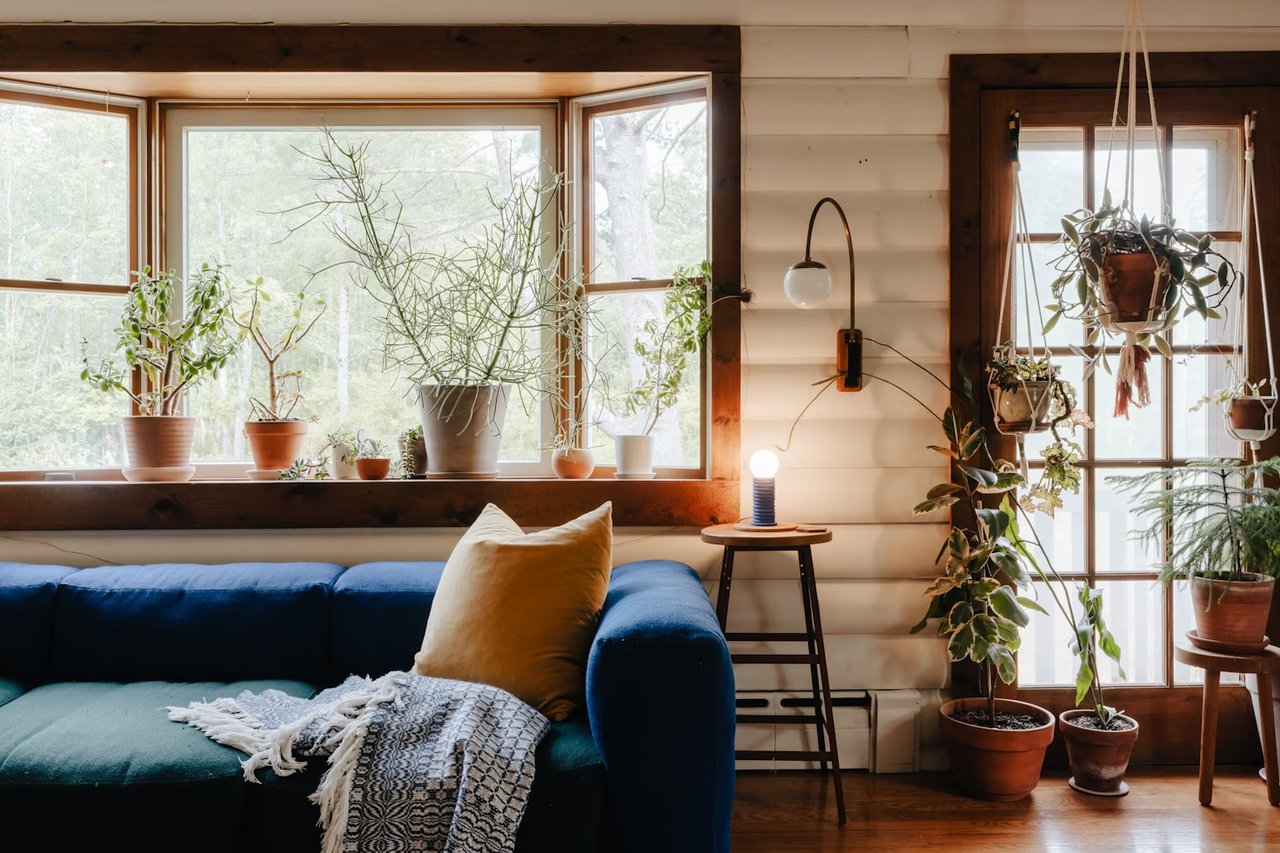
Air quality is equally important and often overlooked. Dry air irritates the respiratory tract and can cause snoring or shallow breathing that disrupts sleep. A humidifier set to maintain 40 to 50 percent relative humidity can help, particularly during New England winters when indoor air tends to dry out. Plants in the bedroom can also improve air quality and introduce a calming visual element, though they should be positioned away from where they could affect air circulation around your head.
Acoustic and Air Quality Improvements to Consider
- A white, pink, or brown noise machine placed at a distance from the bed to create consistent ambient sound.
- Weatherstripping on windows and doors to reduce the intrusion of outside noise.
- A bedroom humidifier, maintained at 40 to 50 percent humidity, especially during dry winter months.
- Air-purifying plants, such as peace lilies or snake plants, that filter indoor air without overwhelming the space.
Room Layout and Mental Decompression
How your bedroom is arranged affects how your mind responds to it. A room that doubles as an office, a laundry sorting area, or a catch-all for everything that doesn't have a home elsewhere sends mixed signals to your brain. When your bedroom is associated with work, stress, or unfinished tasks, your nervous system stays subtly activated even when you're trying to wind down.
The most sleep-supportive bedrooms have a clear and singular purpose: rest. That means keeping work-related items out of the room when possible, removing clutter that creates visual noise, and positioning the bed as the undisputed focal point of the space. In terms of layout, placing the bed against a solid wall with a clear view of the door tends to create a sense of calm and ease; it's a configuration that many people find intuitively restful without being able to articulate exactly why.
In Cohasset homes, where architectural character often includes thoughtful detail and a connection to the natural landscape, the bedroom can draw on that coastal calm to reinforce a restful atmosphere. Soft, muted palettes, natural materials, and uncluttered surfaces all support the mental shift from active to restful that good sleep requires.
Bedroom Arrangement Principles for Better Sleep
- Keeping all work-related items, including laptops, notebooks, and work bags, out of the bedroom entirely.
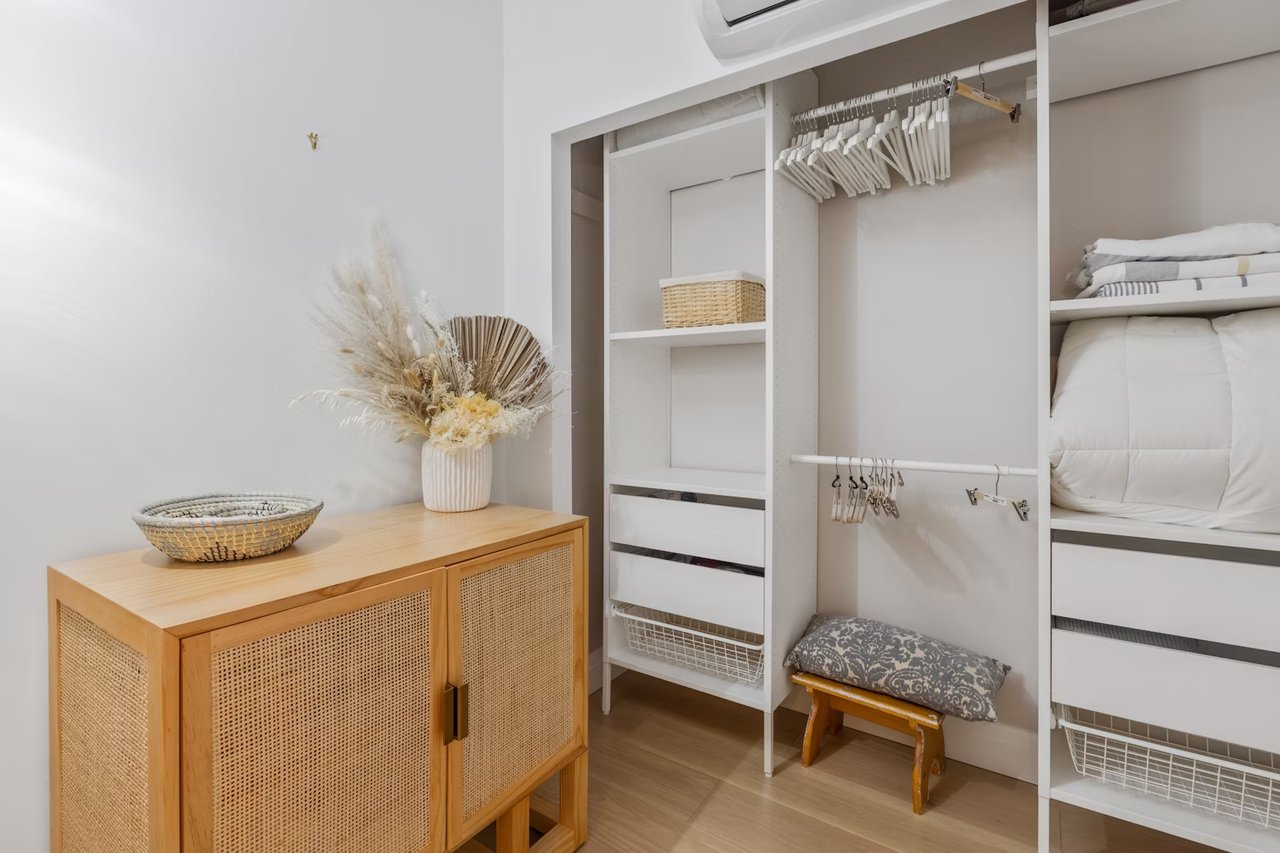
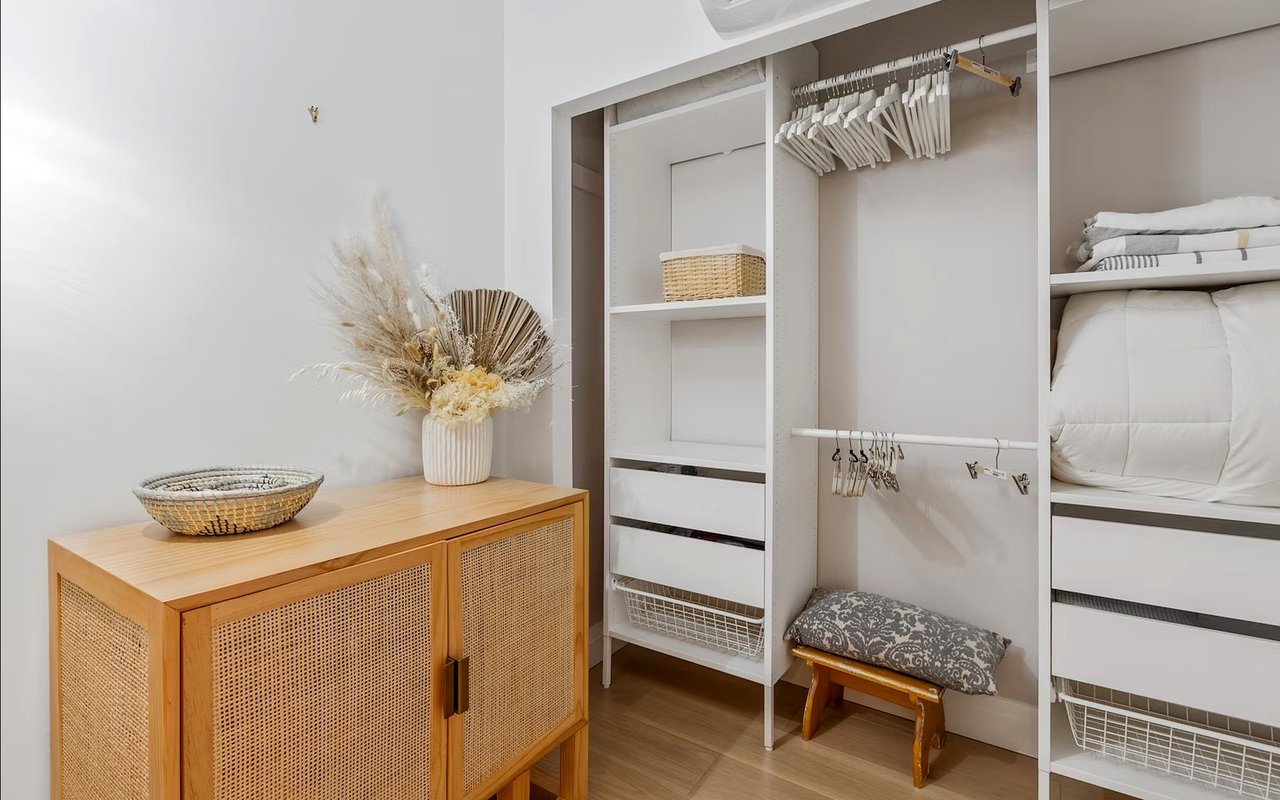
- Removing or minimizing visible clutter by using closed storage solutions, such as a chest of drawers or a built-in closet system.
- Choosing a soft, muted color palette for walls and textiles, since cool and neutral tones are less stimulating than bright or saturated colors.
- Positioning the bed against a solid wall, ideally with a clear view of the room's entrance, for a sense of ease and calm.
FAQs
Do Blackout Curtains Really Make a Difference?
Yes, and significantly so. Even small amounts of light, such as the glow of a street lamp or the early light of a summer sunrise, can suppress melatonin and reduce sleep quality. Blackout curtains that provide full-frame coverage are one of the most cost-effective changes you can make to improve how deeply you sleep, and they're available in a range of styles that work with both traditional and contemporary interiors.
How Does Bedroom Clutter Affect Sleep?
Clutter creates visual stimulation that keeps the brain in a more alert, problem-solving mode. When you're surrounded by items associated with tasks, responsibilities, or unfinished projects, your nervous system is less likely to fully downshift into a relaxed state. A simplified, orderly bedroom sends clearer signals that it's time to rest, which can reduce the time it takes to fall asleep and improve overall sleep quality.
Can the Colors in My Bedroom Affect Sleep?
Research suggests that cool, muted colors, such as soft blues, greens, grays, and warm neutrals, are associated with lower levels of mental stimulation and can support a calmer state of mind at bedtime. Bright or highly saturated colors tend to be more visually stimulating. If repainting your bedroom isn't in the immediate plan, introducing these tones through bedding, textiles, and accent pieces can have a similar effect.
Sleep Better Starting Tonight
A truly restful home doesn't happen by accident; it's designed. Every intentional choice contributes to a sleep environment that supports your body and your mind. The most restorative version of your home is one that works with your natural rhythms rather than against them.
If you're considering a move and want a home in Cohasset that's designed with comfort and livability in mind, I'd love to help you find it. Reach out to me, Frank Neer, and let's talk about what you're looking for.