Trying to choose between Norwell and other South Shore towns? The differences can feel subtle until you look at how each place actually lives day to day. If you are deciding where to buy or sell, understanding housing patterns, commuting options, and overall setting can help you make a smarter move. Let’s take a closer look.
How Norwell Stands Apart
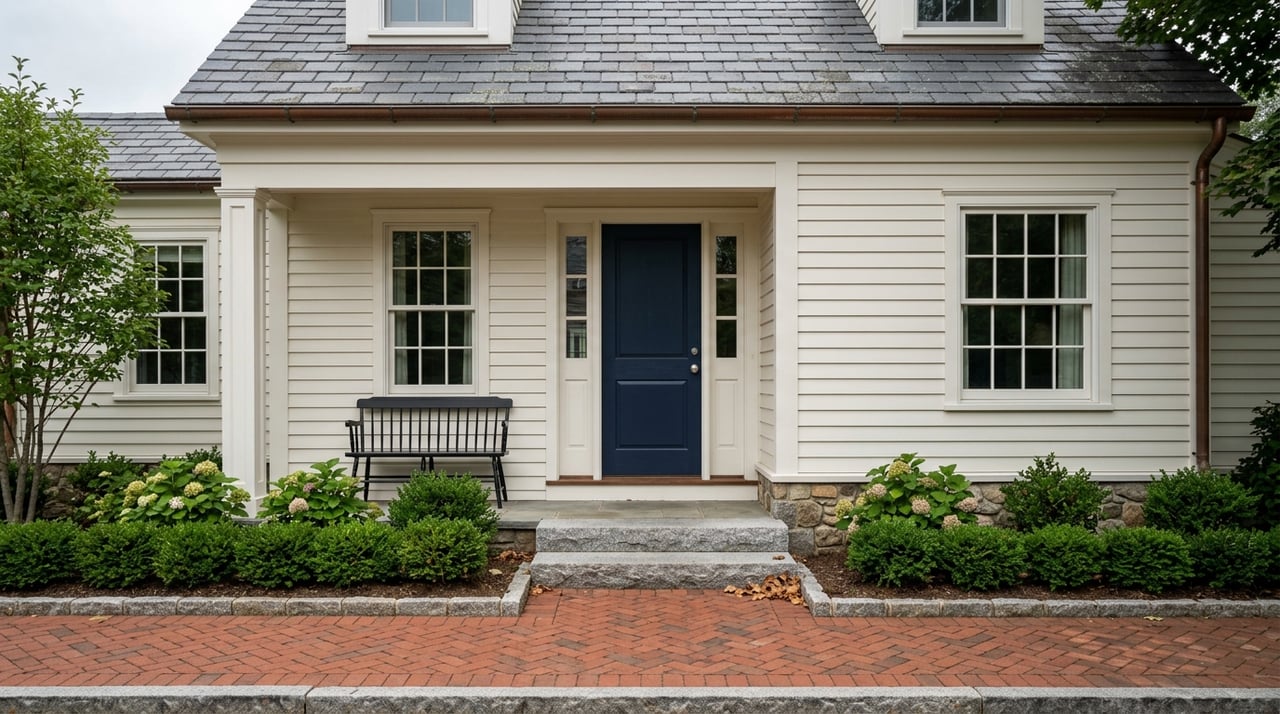
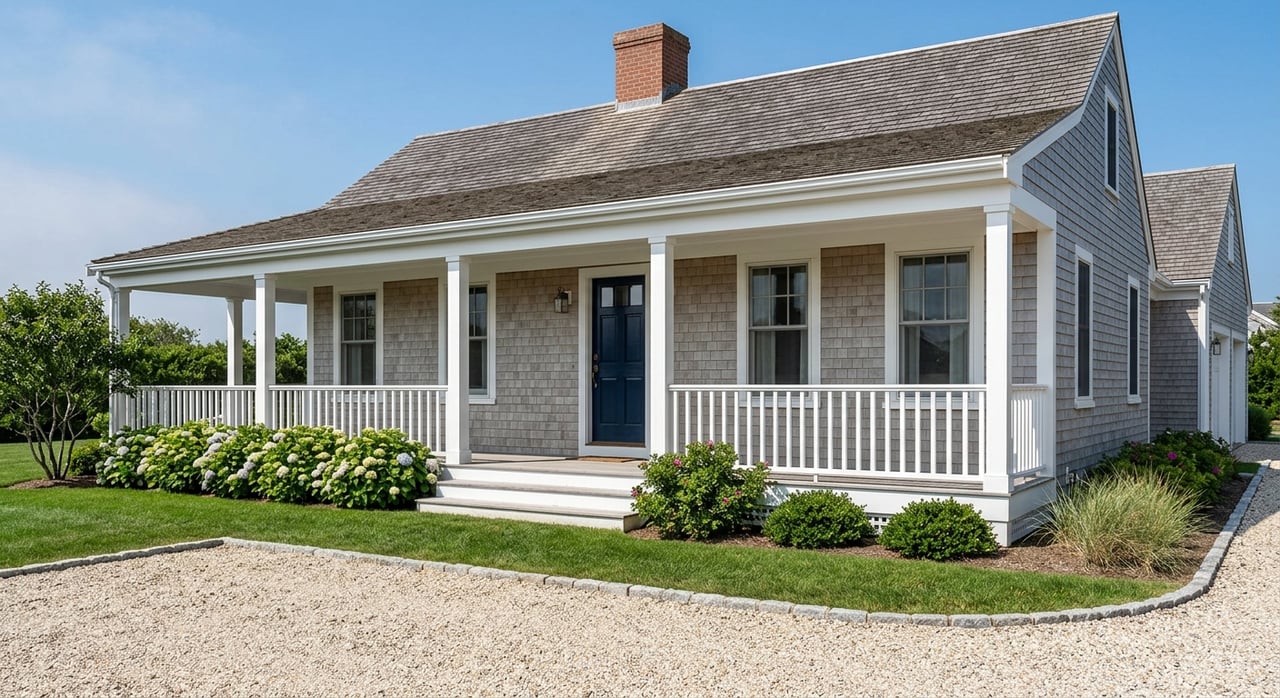
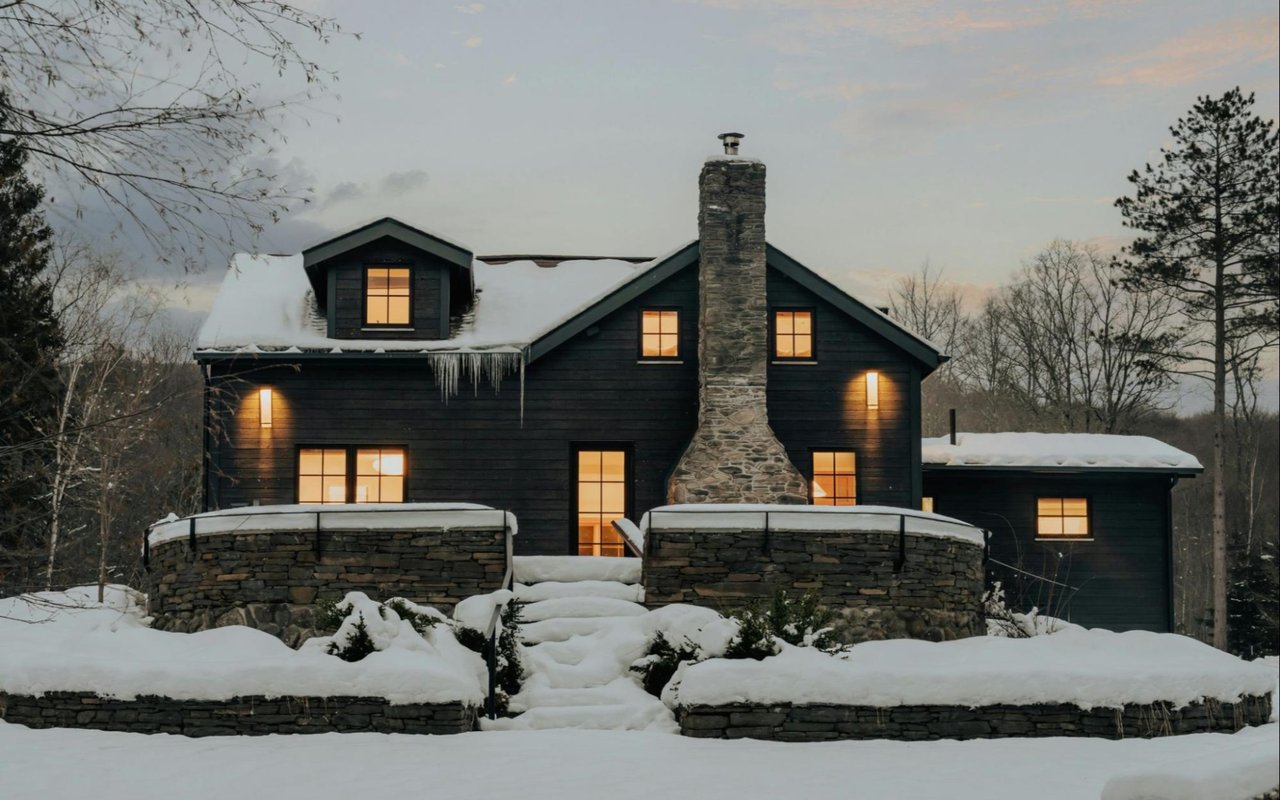
Norwell has a more inland and car-oriented feel than nearby Hingham, Scituate, and Marshfield. According to the town’s 2025 housing plan, Norwell is a largely auto-dependent residential community about 20 miles south of Boston. Route 123 is the main east-west corridor, with Routes 3 and 53 along the western edge.
That transportation setup shapes daily life. Norwell does not have bus service to the Greenbush commuter rail stations, so if you use rail, you generally reach it by car or ride. For buyers comparing town-to-town convenience, that is one of the clearest differences.
Norwell Housing Pattern
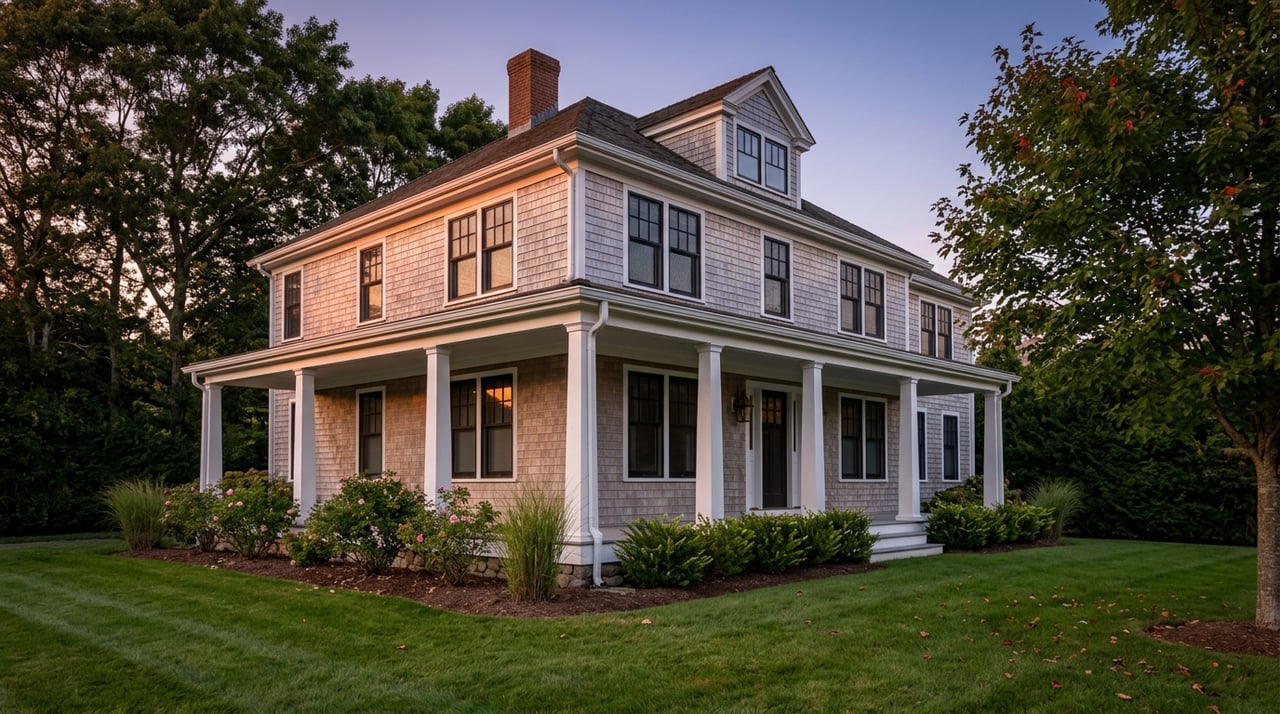
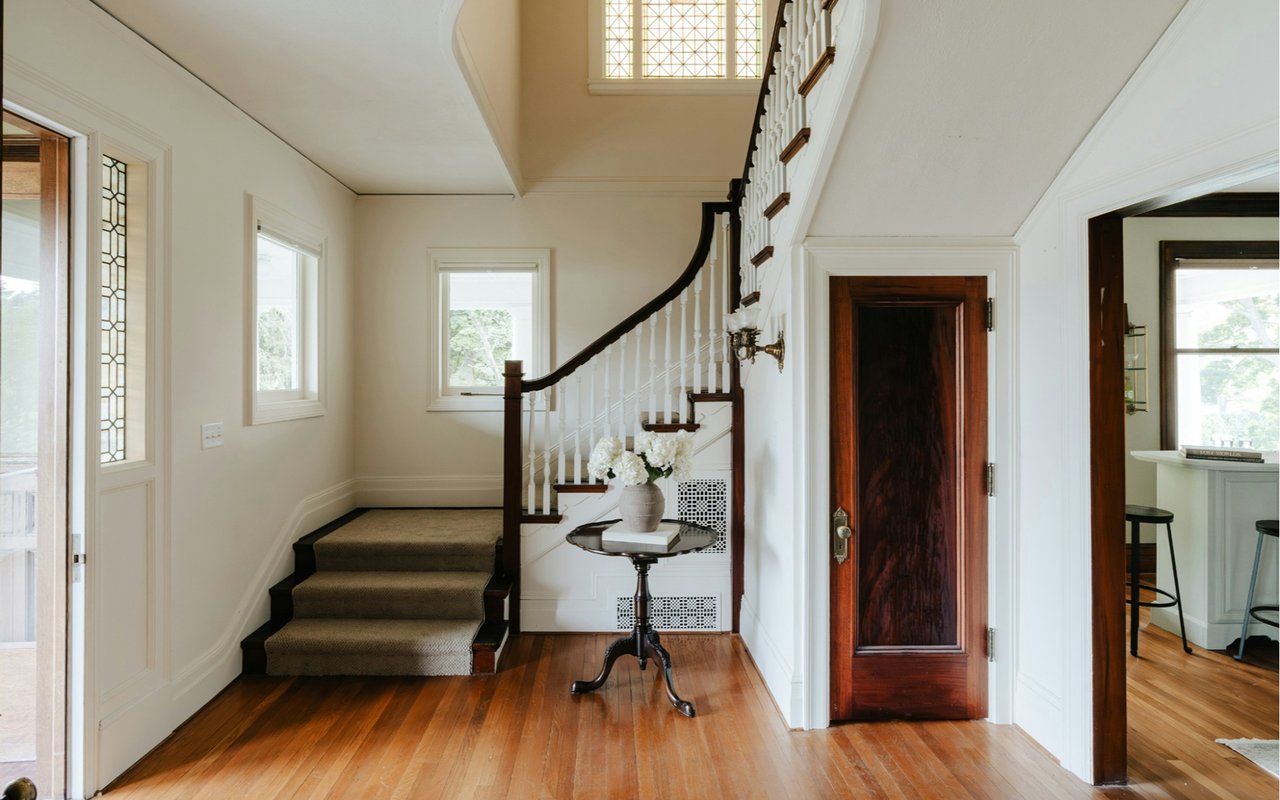
Norwell’s housing stock is relatively uniform compared with some neighboring towns. The 2025 housing plan reports 3,607 occupied housing units, with more than one-third built before 1960 and another 31% built between 1960 and 1980. That means much of the town’s housing was built over several earlier development periods, not just recent ones.
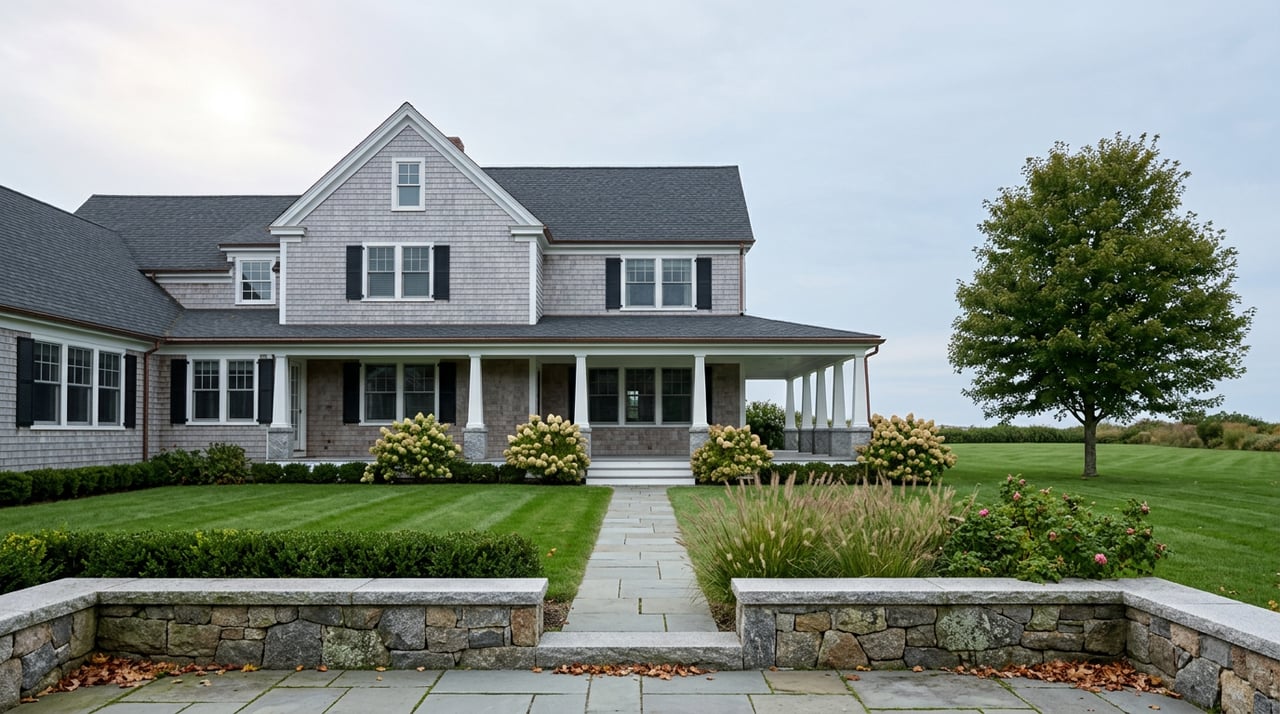
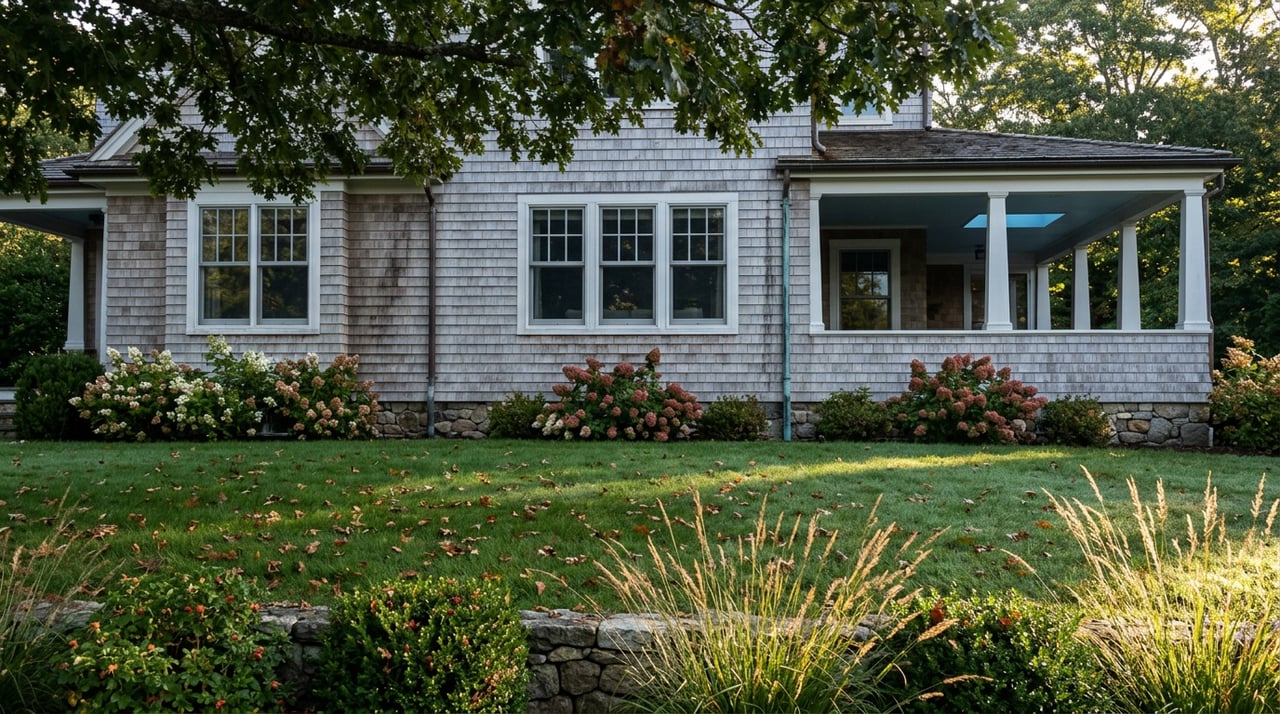
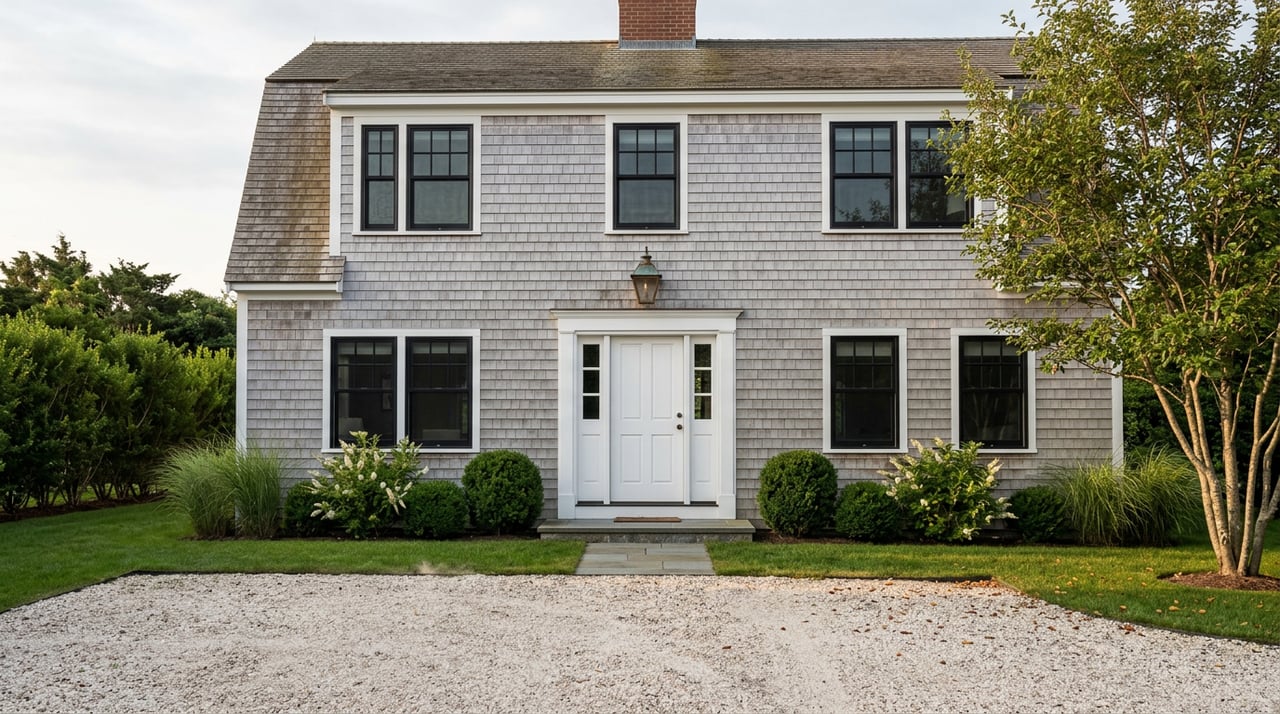
One of Norwell’s most defining features is its one-acre minimum lot size in all districts. In practical terms, that supports a lower-density pattern across town. If you are looking for a setting with a more consistent residential feel, Norwell stands out for that reason.
The ownership profile is also notable. The same plan says 88% of occupied units were owner-occupied, while 9% were rentals. Compared with nearby towns, that points to a market with a strong ownership base and less variation in housing type.
Hingham Offers More Variety
Hingham presents a different mix. Its housing plan notes that development has historically been denser near Hingham Harbor and more sparsely developed in the southern part of town. That creates a more varied pattern than Norwell’s townwide one-acre standard.
Hingham also has a broader housing mix. By 2017, single-family detached homes made up 69.5% of housing units, down from 83% in 2000, and the town had 1,054 condos. If you want more choice across home styles and locations, Hingham may feel more flexible.
Transportation is another major contrast. Hingham offers MBTA Greenbush commuter rail service, and local materials identify the Hingham Ferry Terminal and West Hingham and Nantasket Junction rail stops. The town also notes highway access via Routes 3, 3A, and 228, plus Red Line access from Braintree and Quincy.
Scituate Blends Coast and Transit
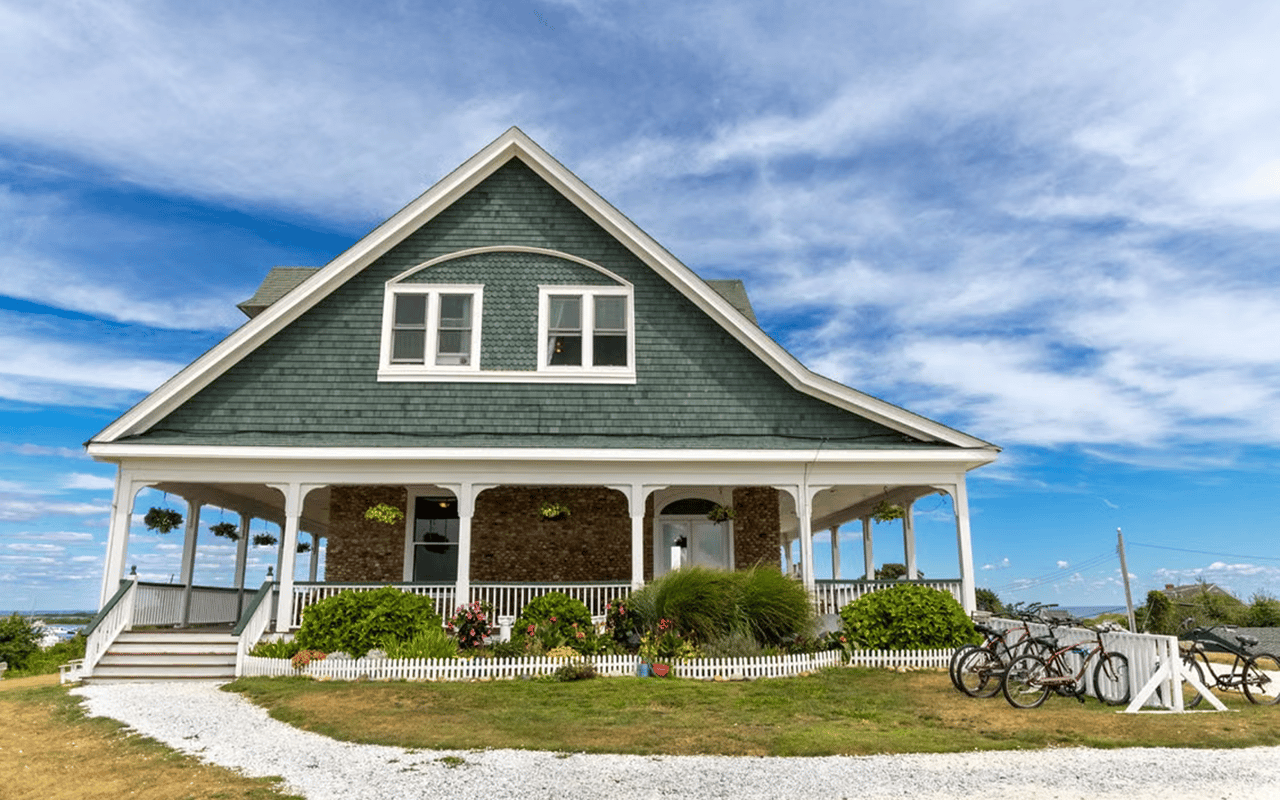
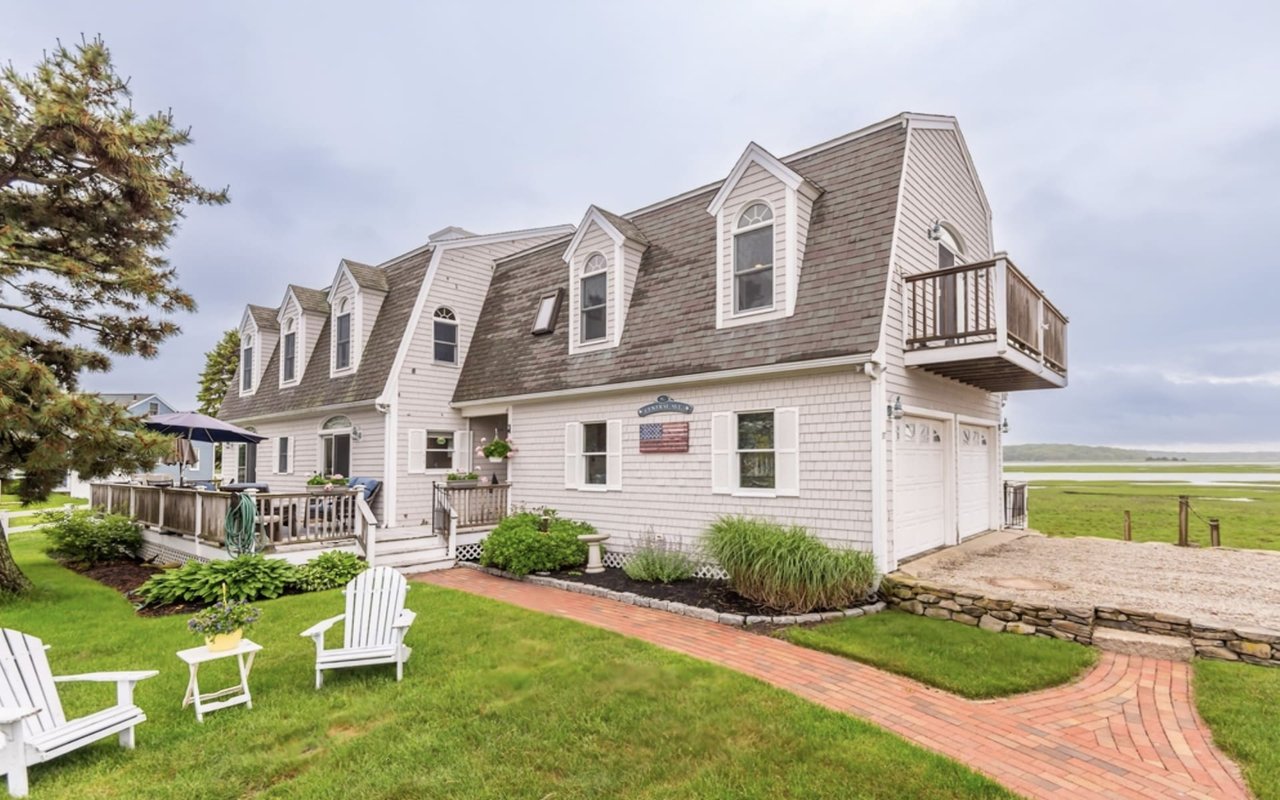
Scituate has a stronger beach-and-rail identity than Norwell. The town describes itself as a historic seacoast community about 25 miles south of Boston, with a working fishing fleet and a mix of rural, suburban, and seaside lifestyles. Its official beaches page says the town has five public beaches.
Housing in Scituate is still largely single-family. Current housing indicators describe about 83% of units as single-family homes, and the 2025 housing production plan says the town had 8,475 housing units in 2023. It also reports that 64.5% of the housing stock was built before 1970.
From a commuting standpoint, Scituate is especially useful to compare with Norwell. The town’s transportation page says the Driftway Multi-Purpose Pathway connects the Greenbush station with Scituate Harbor, and Scituate also has GATRA on-demand bus service. For buyers who want both coastal access and more direct transit connections, that combination is important.
Marshfield Feels More Coastal and Village-Based
Marshfield offers another distinct option. Planning materials describe a predominance of single-family owner-occupied homes, but also a meaningful seasonal and rental supply. The town’s 2024 MBTA and housing update says more than 15% of the housing stock is multifamily.
Its physical layout is also less uniform than Norwell’s. Marshfield zoning uses district-by-district dimensional tables rather than a single lot rule that applies townwide. That reinforces a more varied housing and land-use pattern.
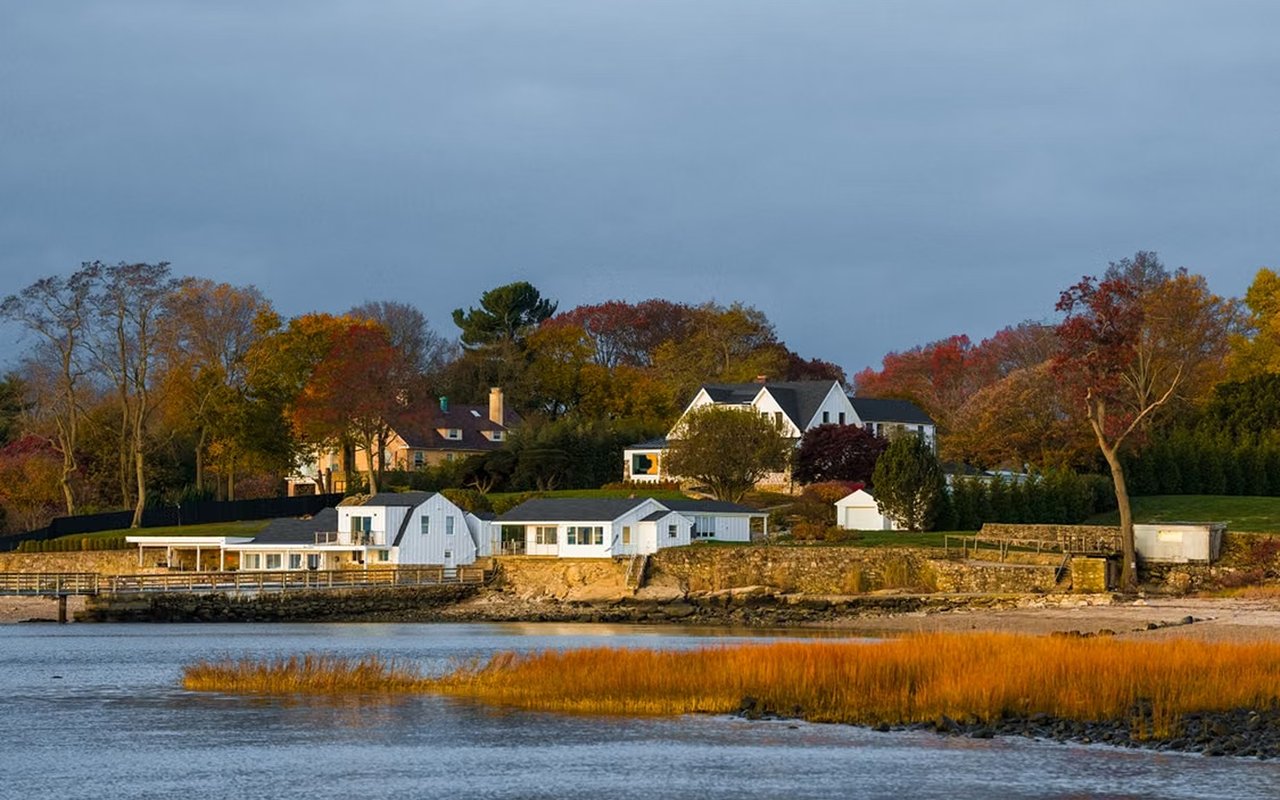
In terms of setting, Marshfield leans strongly coastal. The town’s multi-hazard plan describes 10 villages, about 12 miles of shoreline, many beaches, marshes, and tidal waterways. It also notes that the summer population rises to about 40,000, which speaks to a seasonal coastal dynamic that Norwell does not share.
Transportation in Marshfield remains more drive-based than in Hingham or Scituate. Town materials say Marshfield followed the existing GATRA route through town and had no station within about 1.5 miles of the town line. For many buyers, that means access is practical, but less rail-centered.
Comparing Lifestyle and Setting
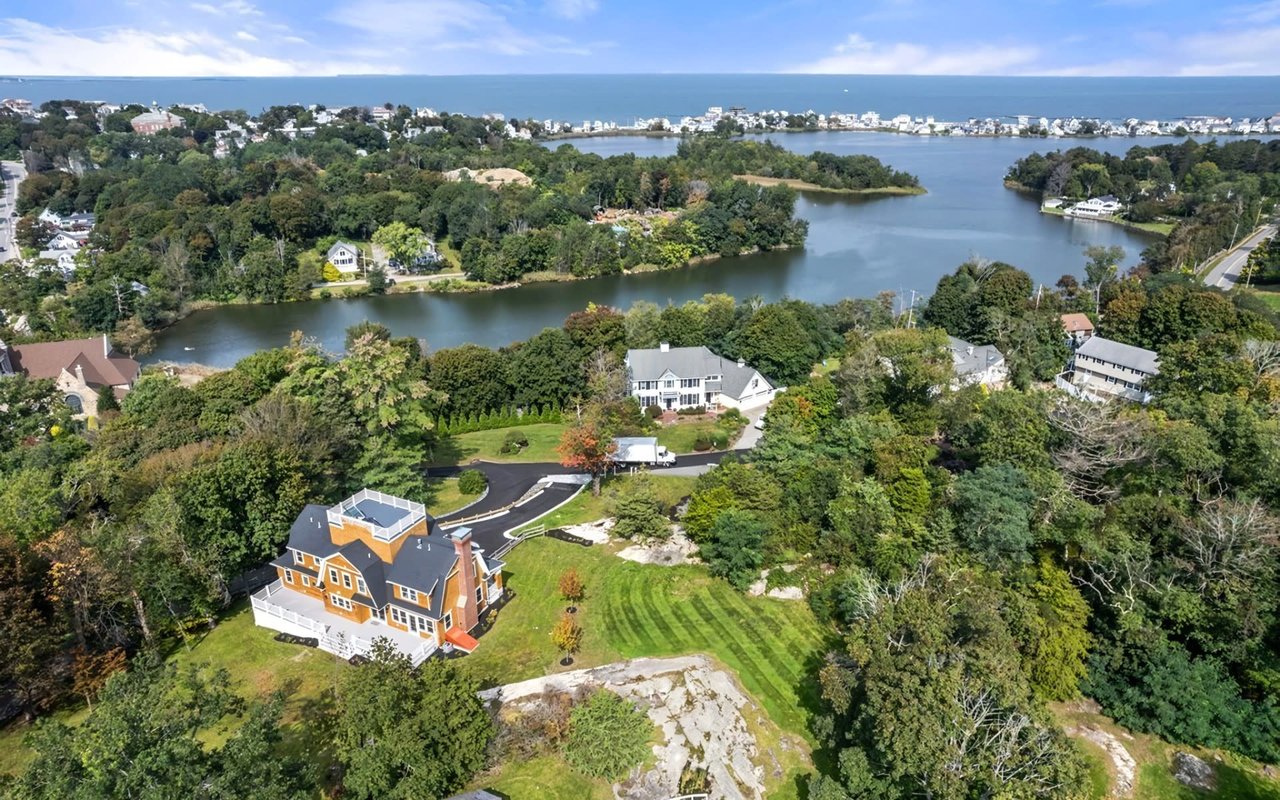
A simple way to think about these towns is to focus on what shapes your everyday routine. Norwell is more river, wetlands, and conservation-oriented, with a quieter inland identity. Its housing plan notes streams, brooks, ponds, wetlands, the North River, hilltops, and tidal flats, and says more than a quarter of the land area is water and wetlands.
Hingham has a more historic seaside profile. The town describes itself as a historic seaside community with 21 miles of shoreline and six historic districts. Local recreation materials also highlight places like Bare Cove Park, World’s End, Wompatuck State Park, the Town Forest, and the South Shore Country Club.
Scituate has a more classic seacoast feel. In addition to beaches, the town emphasizes its harbor activity, local traditions, and seaside character. If you are drawn to a stronger beach-town atmosphere, Scituate will likely feel different from inland Norwell.
Marshfield brings a broader village-based coastal identity. With multiple villages, shoreline, beaches, and tidal areas, it offers a setting that can feel more spread out and place-specific. That can appeal to buyers who want a distinctly coastal environment with several local pockets to explore.
Which Town May Fit Best
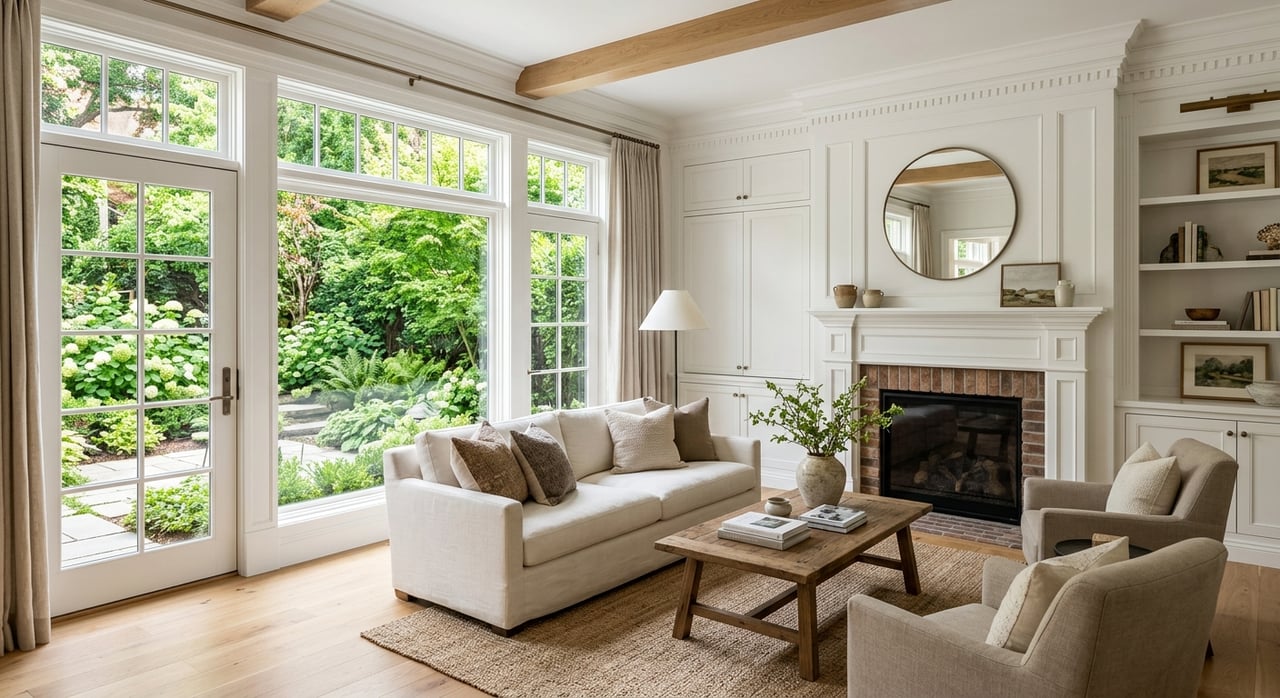
There is no single best choice, only the best fit for how you want to live. Based on the planning materials reviewed, Norwell is often the strongest match if you want a more uniform, lower-density, car-oriented inland setting. It can appeal to buyers who value space, consistency, and a quieter residential rhythm.
Hingham may be a better fit if you want more transit choices and a broader range of housing types. Scituate stands out if you want the clearest mix of beach access and commuter rail connection. Marshfield may appeal if you want a more explicitly coastal, village-based feel with a broader mix of seasonal and multifamily housing in the overall stock.
What This Means for Buyers and Sellers
If you are buying, these differences can help you narrow your search faster. A town’s transit setup, housing stock, and physical character all affect what inventory looks like and how homes fit your daily needs. Comparing these patterns early can save time and sharpen your decision-making.
If you are selling, understanding how Norwell compares with nearby towns helps position your property more clearly. Buyers are often weighing multiple South Shore locations at once, especially if they are relocating from Boston or moving within the region. Clear local context can make your home stand out for the right reasons.
When you are comparing Norwell to nearby South Shore towns, the details matter. The right match usually comes down to your routine, your priorities, and how you want your home to feel within the broader South Shore landscape. If you want thoughtful guidance on Norwell, Hingham, Scituate, Marshfield, or other nearby communities, connect with Frank Neer for experienced, local support.
FAQs
How is Norwell different from Hingham for commuters?
- Norwell is more auto-dependent, while Hingham has MBTA Greenbush rail service, ferry access, and broader regional transit connections.
How is Norwell different from Scituate for lifestyle?
- Norwell has a quieter inland, conservation-and-river-oriented setting, while Scituate has a more seacoast identity with beaches, harbor activity, and rail-linked transportation.
How is Norwell different from Marshfield for housing?
- Norwell has a more uniform low-density pattern with a one-acre minimum lot size in all districts, while Marshfield has a more varied pattern with district-based zoning and more than 15% multifamily housing stock.
Is Norwell a good fit if you want more space?
- Norwell may appeal if you want a lower-density setting, since the town has a one-acre minimum lot size in all districts and a largely owner-occupied housing base.
Which South Shore town offers the most direct beach-and-rail combination?
- Based on the local materials reviewed, Scituate stands out for combining public beaches, the Greenbush station connection, and GATRA on-demand bus service.