If you are thinking about a second home on Nantucket, it helps to know that you are not just buying a house. You are buying into an island rhythm that changes by season, by ferry schedule, and sometimes by the weather. Understanding that rhythm upfront can help you decide whether Nantucket fits the way you want to live, travel, and spend your time. Let’s dive in.
Nantucket feels different by season
Owning a second home on Nantucket means living with two very different versions of the island. The 2020 Census counted 14,255 year-round residents, while Town planning materials say the population can rise to roughly 40,000 to 50,000 in July and August. That shift affects everything from traffic and restaurant availability to how far ahead you need to plan.
In the off-season, Nantucket moves at a quieter pace. The Town notes that many businesses shift to winter schedules, and some restaurants close for the season, although the island does not shut down. For many second-home owners, that quieter stretch can feel more local, more relaxed, and more predictable.
Summer is a very different experience. Major event weekends, a fuller visitor calendar, and busier downtown streets all add energy, but they also add logistics. If you enjoy lively summers and entertaining guests, that can be part of the appeal, but it usually requires more advance planning.
Shoulder seasons can be especially appealing
Many owners are drawn to the months between peak summer and winter. Based on the Town’s seasonal schedules, event patterns, and summer parking restrictions, these shoulder seasons often offer a more balanced experience. You may find it easier to enjoy beaches, trails, and time in town without the same level of crowds and scheduling pressure.
That does not mean summer is less desirable. It simply means that second-home ownership here often comes with a two-calendar lifestyle. One calendar is built for peak-season energy, and the other is built for a quieter island pace.
Travel becomes part of your routine
One of the biggest differences between owning on Nantucket and owning in a mainland coastal town is simple: there is no bridge. Getting to your property means traveling by ferry or plane, and that becomes part of normal homeownership.
The Steamship Authority says the Hyannis-to-Nantucket high-speed passenger ferry takes about 1 hour, while the traditional ferry takes about 2 hours and 15 minutes. The Town also notes that vehicle reservations are required in advance for the traditional ferry, while passenger reservations for high-speed service are recommended. If you plan to bring a car, timing matters.
Air access is also a major part of ownership. According to the Town, Nantucket Memorial Airport is the second-busiest commercial airport in Massachusetts, with year-round flights from Boston, Hyannis, Martha’s Vineyard, and Westchester/White Plains, plus seasonal service from major carriers. For owners who split time between Nantucket, Boston, and the South Shore, that range of access can be useful, but it still rewards planning.
Guest visits take coordination
If you picture a second home where friends and family come and go often, Nantucket can absolutely support that lifestyle. Still, your hosting plans usually need more coordination than they would on the mainland. Ferry seats, flight times, vehicle access, and peak-weekend demand all become part of the hosting conversation.
This is especially true during the busiest periods of the year. Town visitor materials highlight major weekends and lodging pressure during peak times, which reinforces how important early planning can be. In practical terms, second-home ownership here often means keeping one eye on your calendar before you even pack a bag.
Getting around the island has its own rhythm
Once you arrive, the transportation experience still feels distinct. The Town says Nantucket has no traffic lights and places strong emphasis on walking, biking, and other multimodal transportation. That can be part of the island’s charm, but it also shapes daily habits.
The NRTA’s WAVE airport route runs every 30 minutes between 10 a.m. and 10 p.m. from May through mid-September. Summer parking rules also become more restrictive, particularly in the core and residential districts. If you are used to easy parking and quick errands year-round, Nantucket may ask you to adjust your routine.
Small errands may require more forethought
On Nantucket, even ordinary plans can become more schedule-driven. A dinner reservation, a pickup at the airport, or a beach day with guests may call for earlier decisions than you would make elsewhere. That is not necessarily a drawback, but it is a real part of ownership.
Many buyers find that this planning becomes second nature over time. If you value predictability and are comfortable organizing travel and guest logistics ahead of time, the island’s pace can feel rewarding rather than inconvenient.
Historic preservation shapes the ownership experience
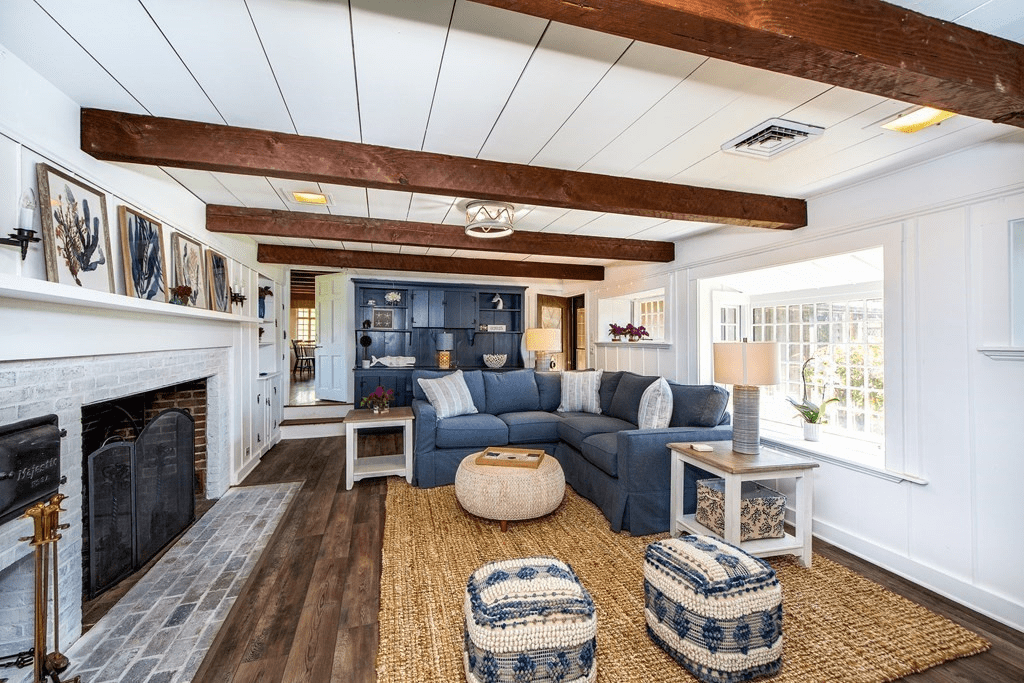
Nantucket’s housing stock is deeply tied to the island’s historic identity. The Historic District Commission says the island is a National Historic Landmark district with more than 5,000 contributing structures across roughly 30,000 acres. That is a major reason the island looks and feels the way it does today.
For homeowners, this matters beyond curb appeal. The HDC states that exterior changes to structures throughout the district require review and approval, including changes affecting exterior architectural features, driveways, and landscape architecture. If you are considering updates, additions, or exterior redesign, the process is an important part of ownership.
Architectural character is part of the appeal
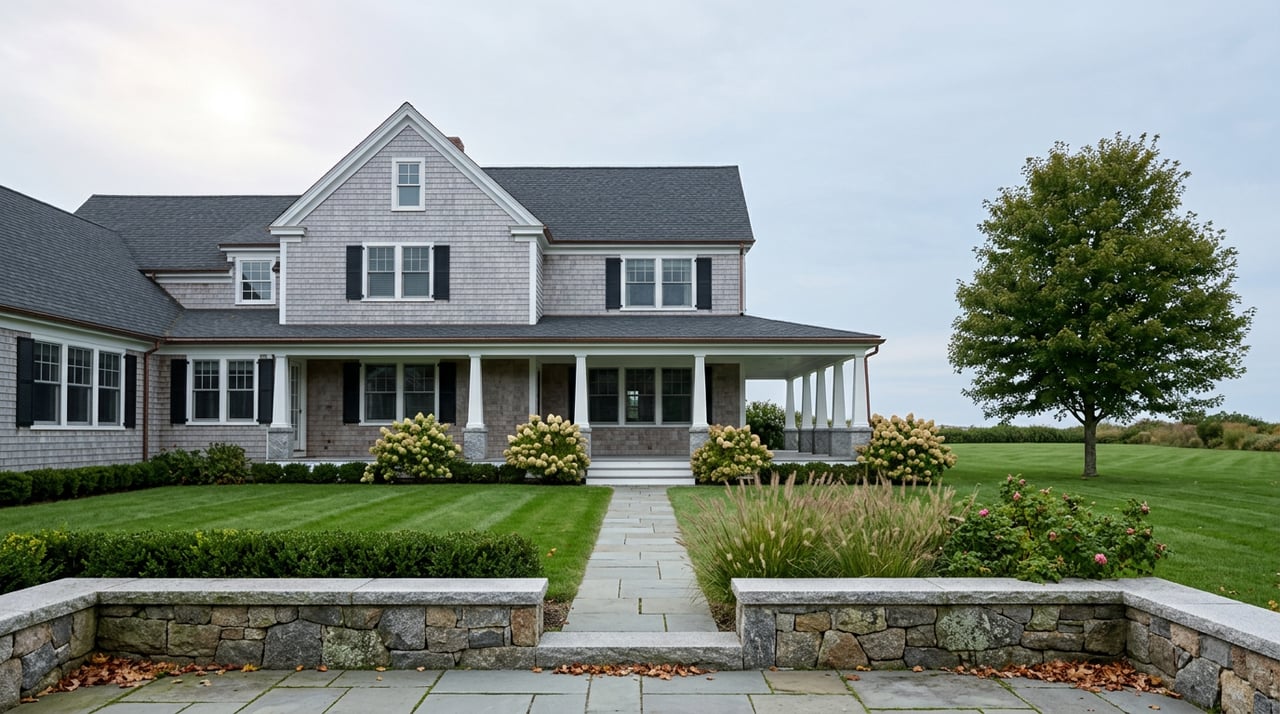
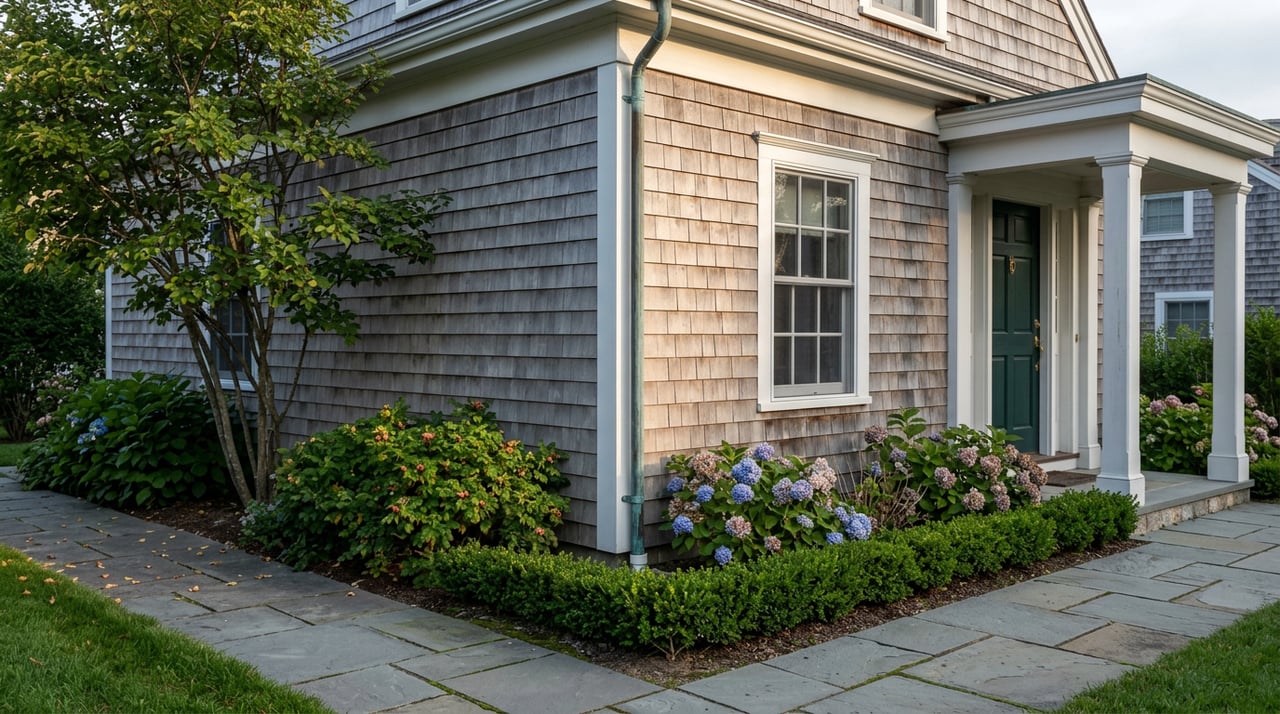
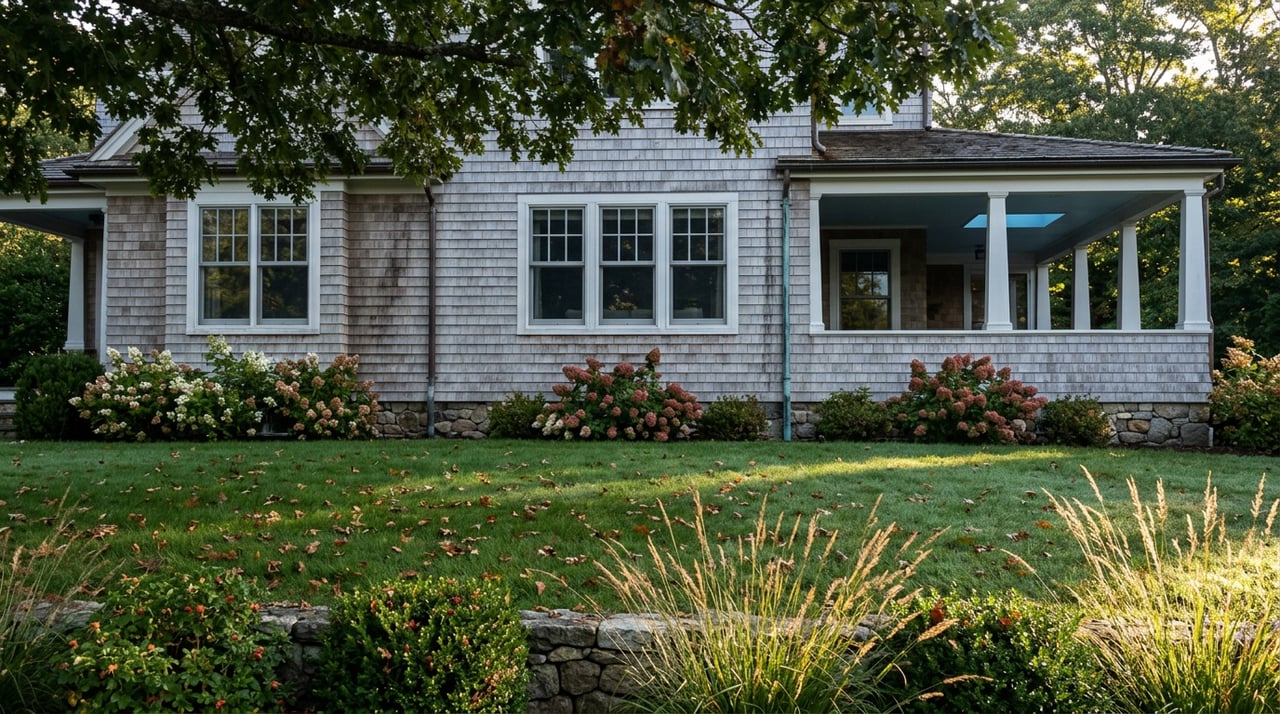
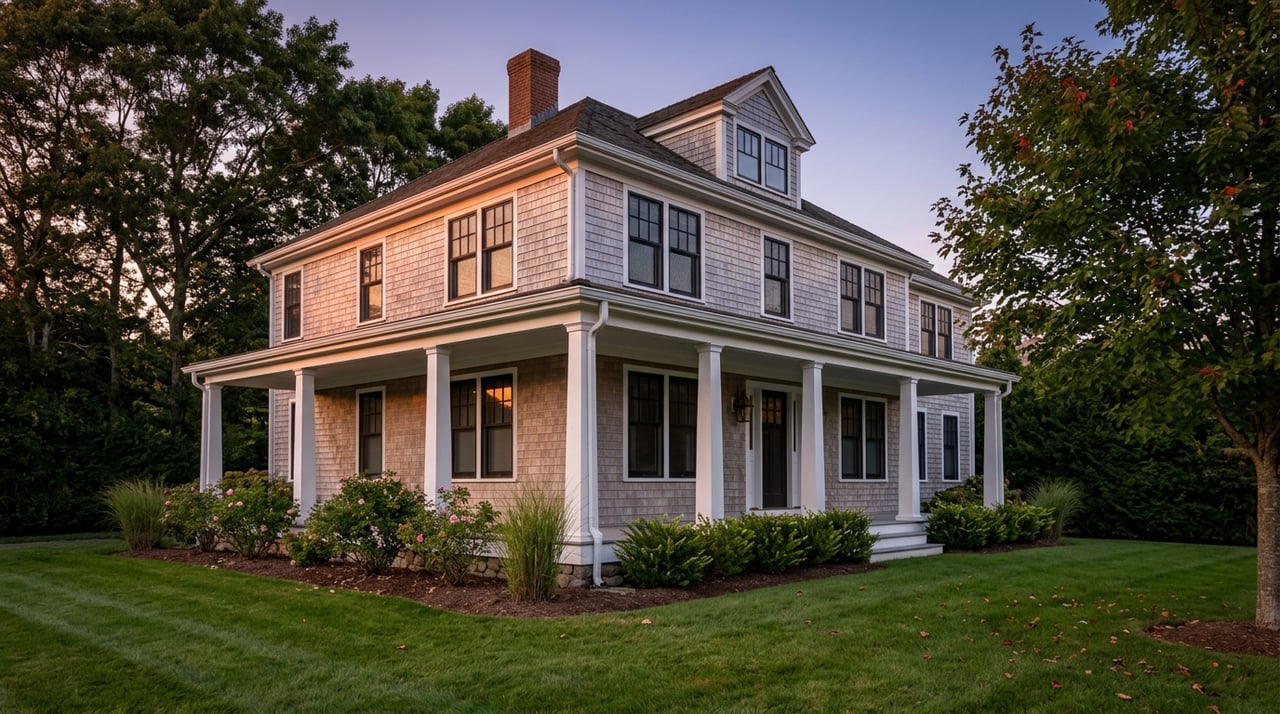
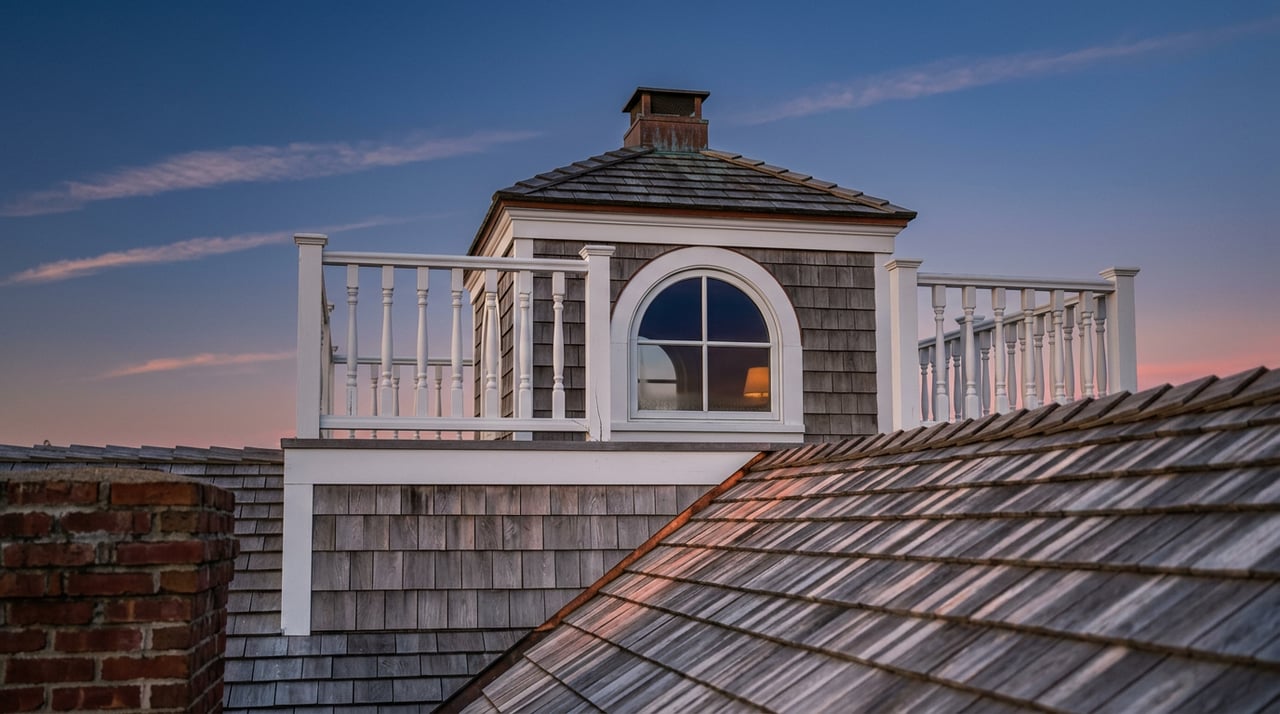
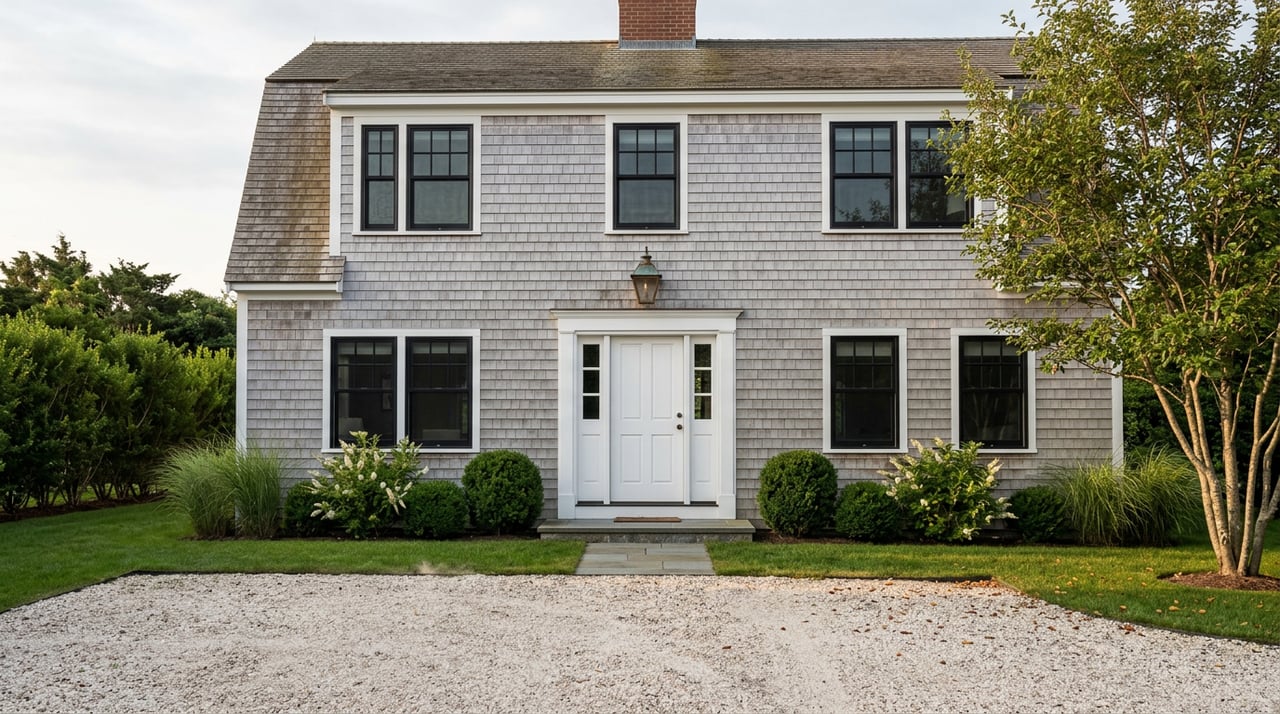
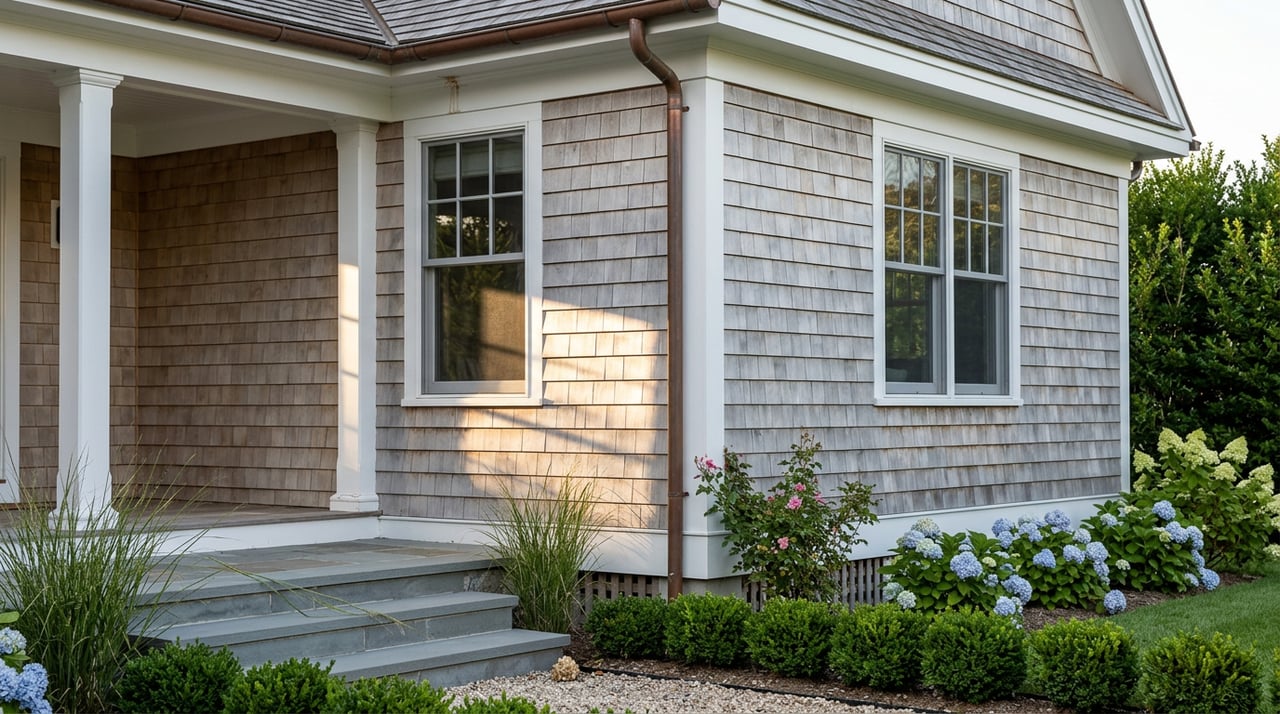
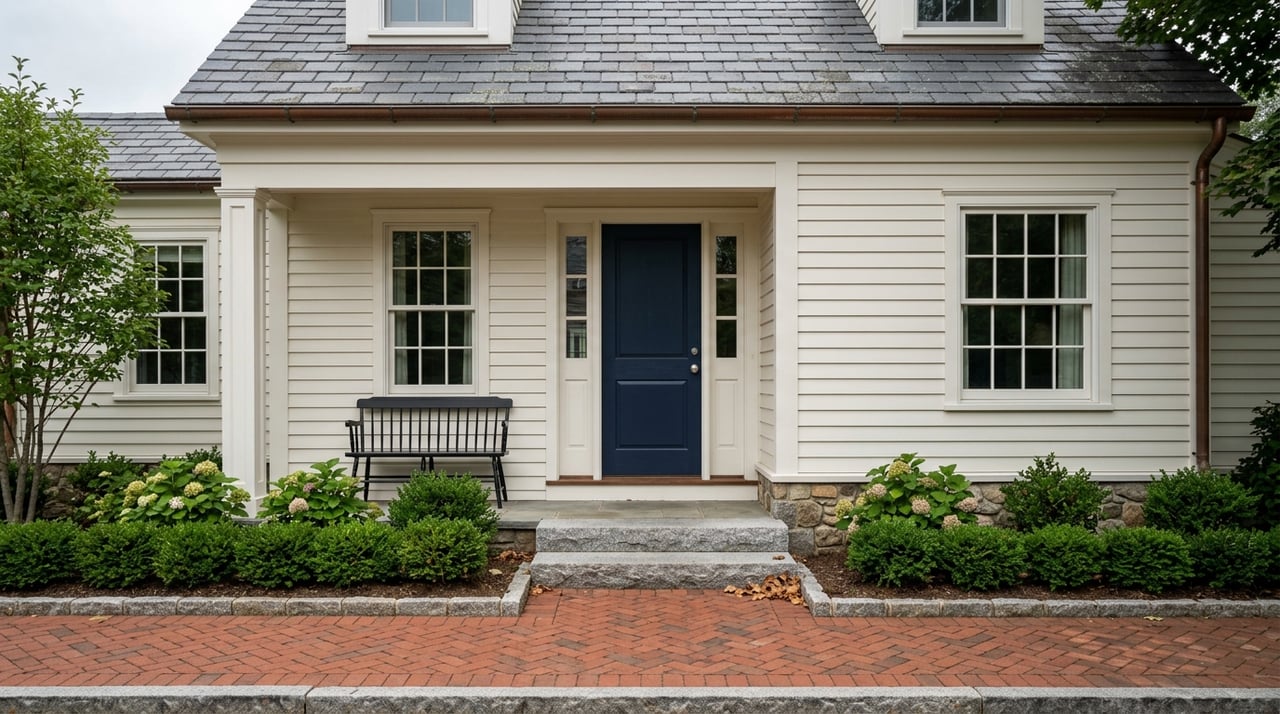
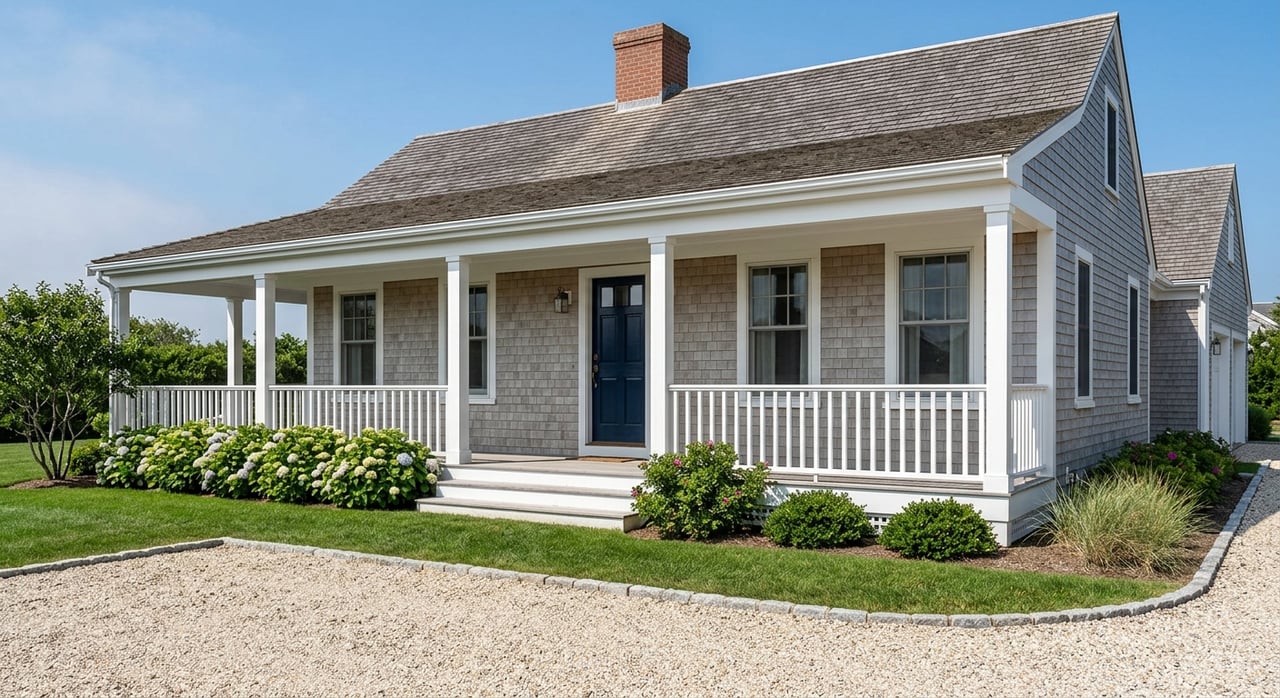
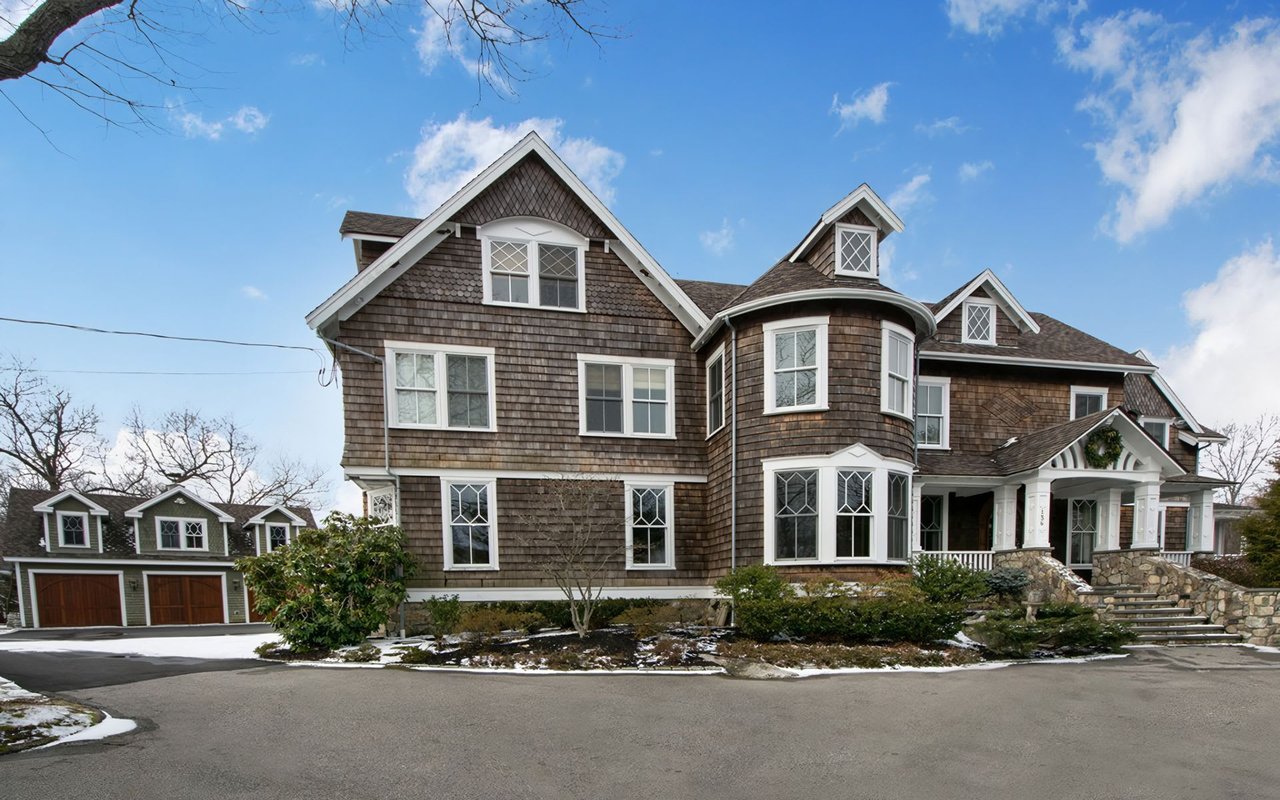
The Town’s Main Street walking tour describes a wide range of island architecture, including early lean-to houses, typical Nantucket houses with four-bay facades and central chimneys, Federal and Greek Revival homes, and later Victorian homes with porches and decorative trim. Preservation materials also note that ’Sconset is especially known for eighteenth- and nineteenth-century fish houses and early twentieth-century cottages.
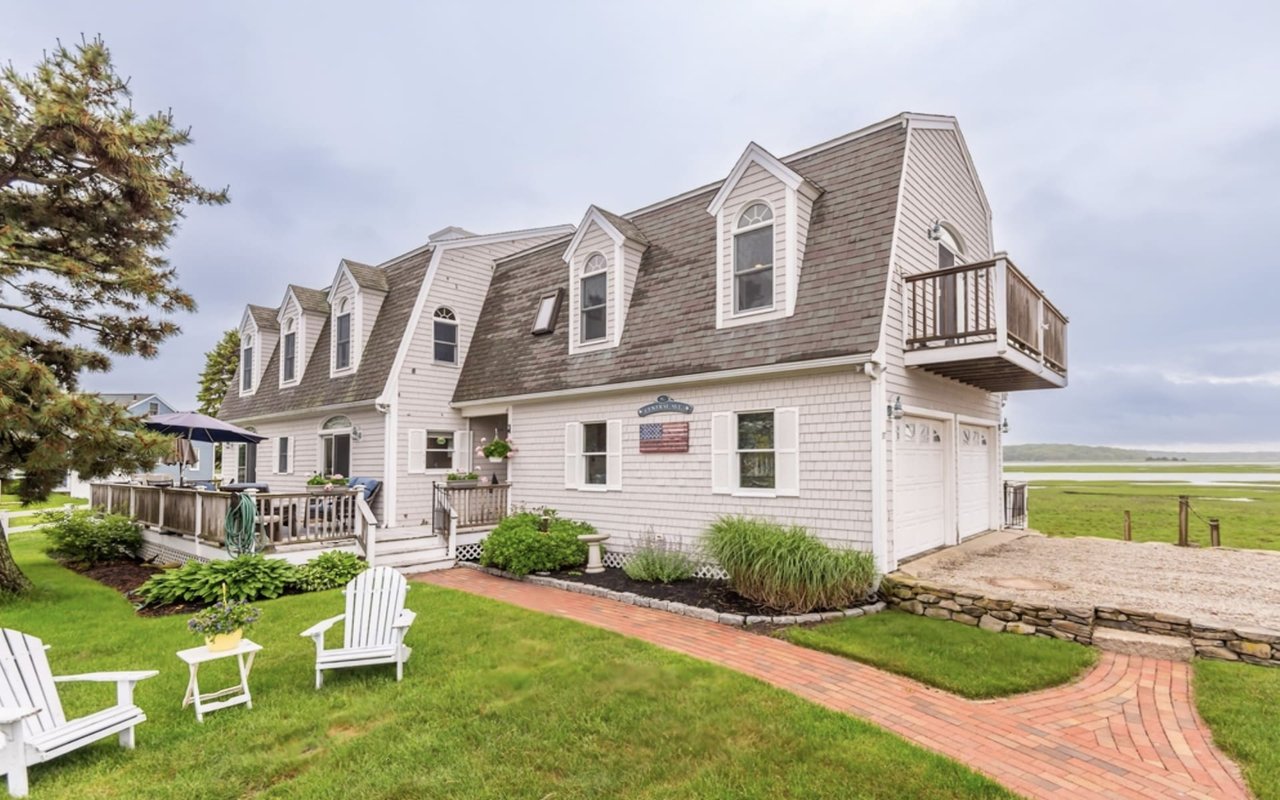
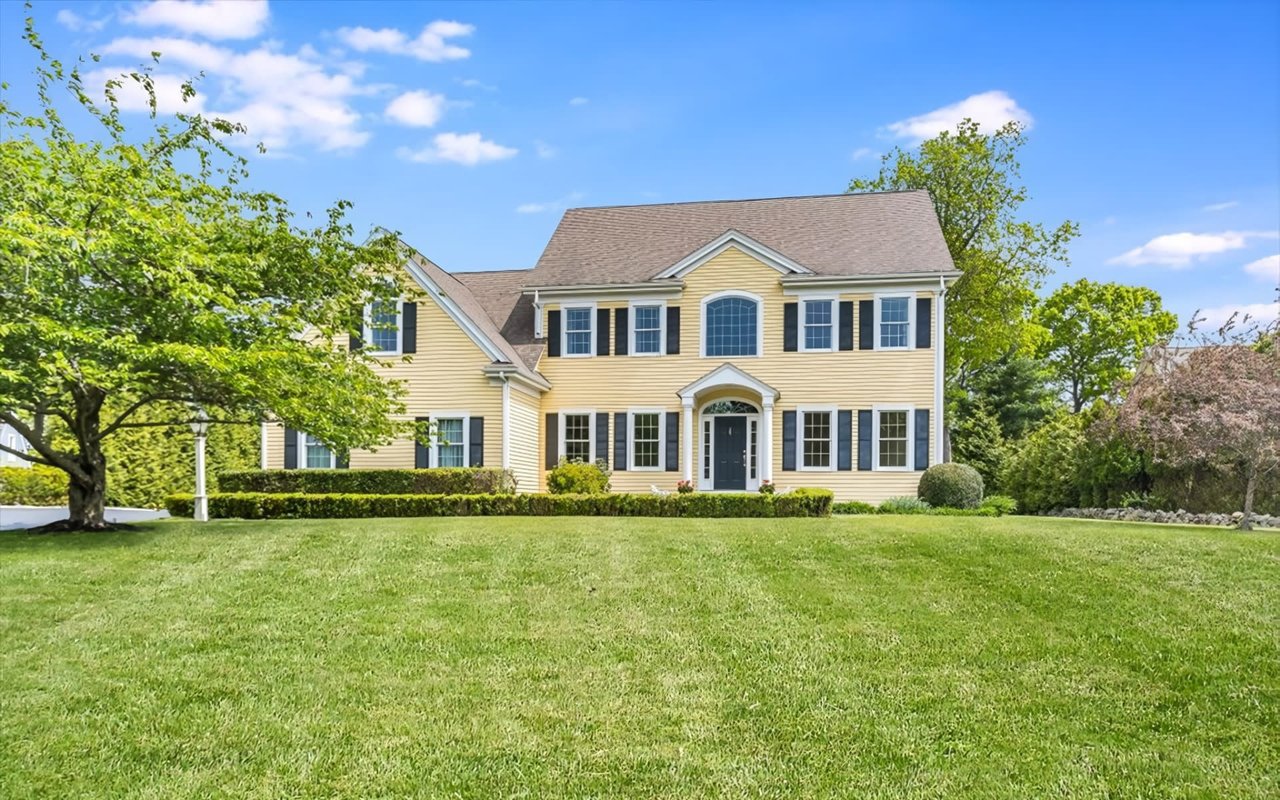
Other parts of the island include later wood-frame ranch houses, Cape Cod cottages, and center-entry Colonial Revival homes. In simple terms, buyers should expect a very specific architectural language. That character is a major part of Nantucket’s appeal, but it also means renovations and design choices often require a more careful approach.
Coastal conditions are part of everyday ownership
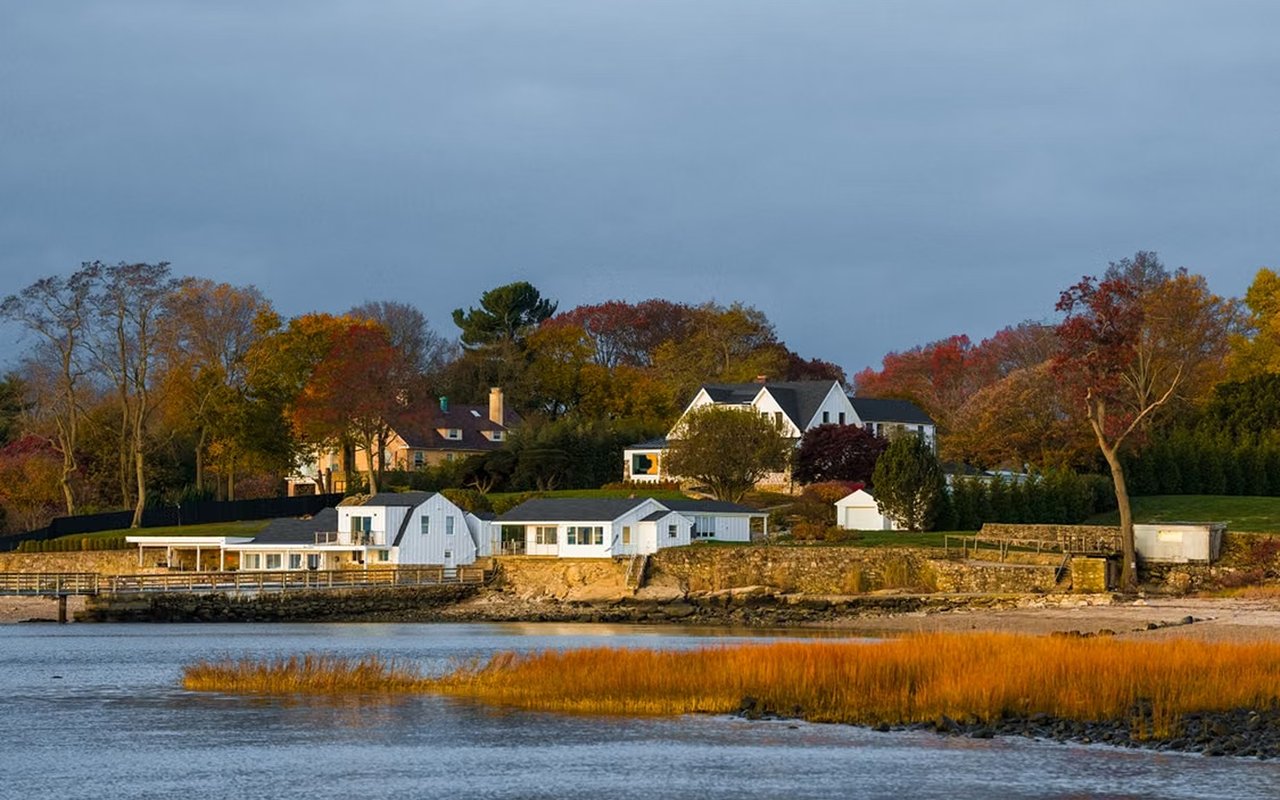
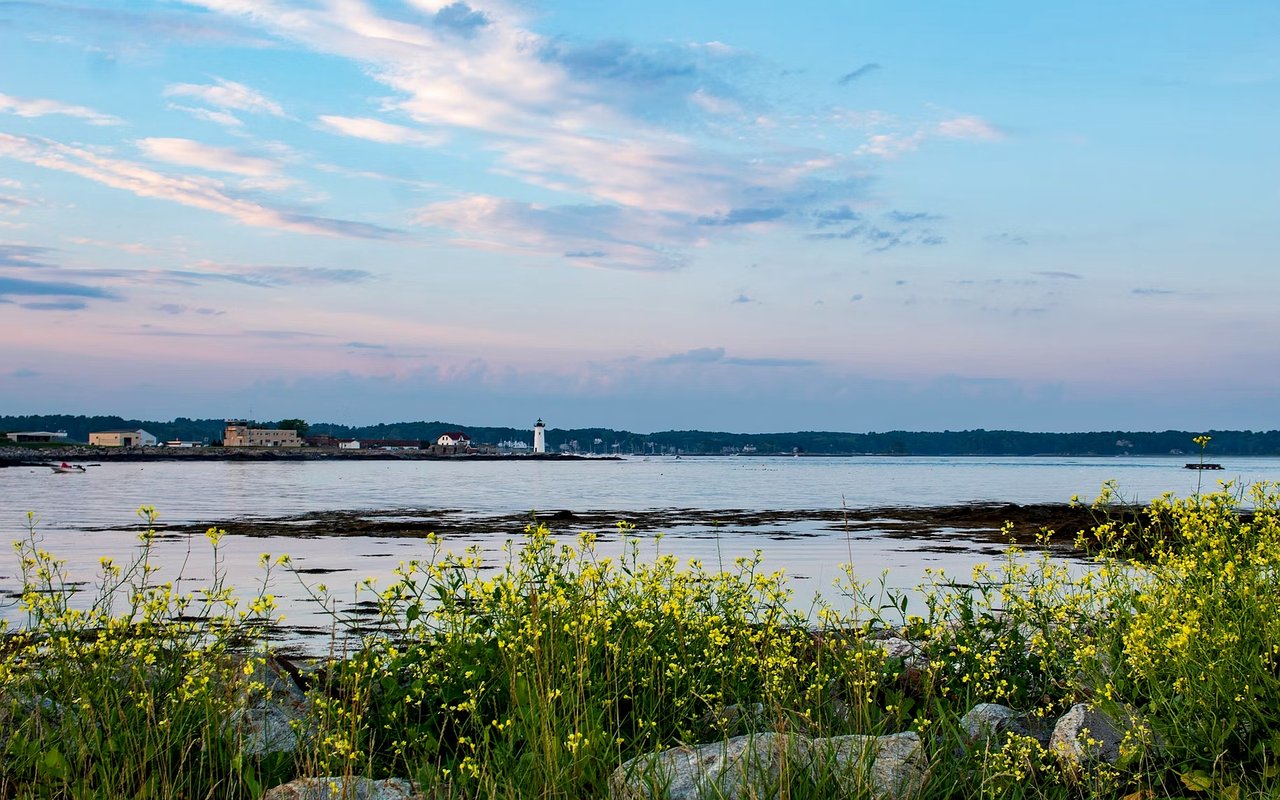
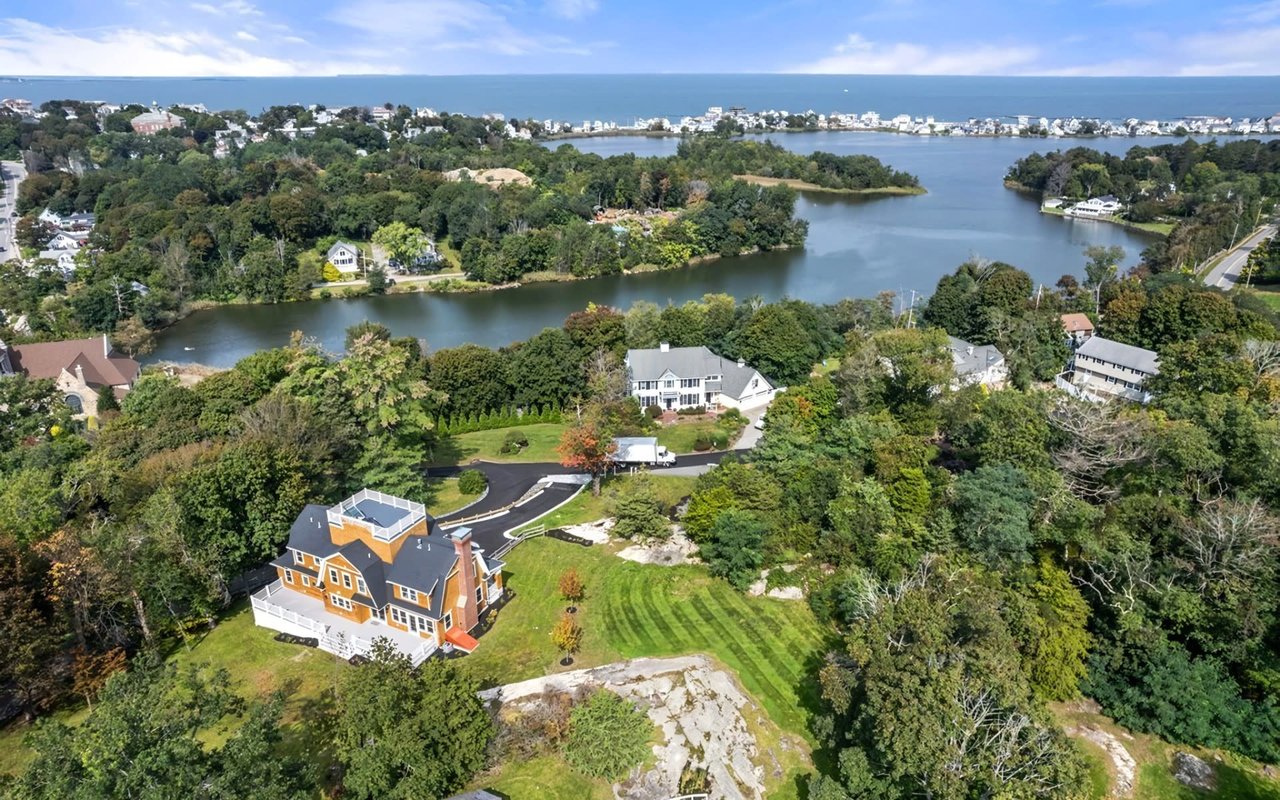
A second home on Nantucket also means paying closer attention to coastal conditions than you might in many inland or mainland markets. The Town’s coastal resilience resources say Nantucket has about 88 miles of shoreline and faces flooding, erosion, and sea-level-rise impacts. For certain areas, these are not abstract concerns. They are part of the ownership picture.
Town resilience reporting identifies areas such as Brant Point, Cliff Road, and Madaket/Eel Point as places where flooding or erosion are important planning considerations. If you are looking in low-lying or shoreline locations, understanding those conditions is part of making an informed decision. For many buyers, this becomes a key part of property selection and long-term planning.
Winter readiness still matters
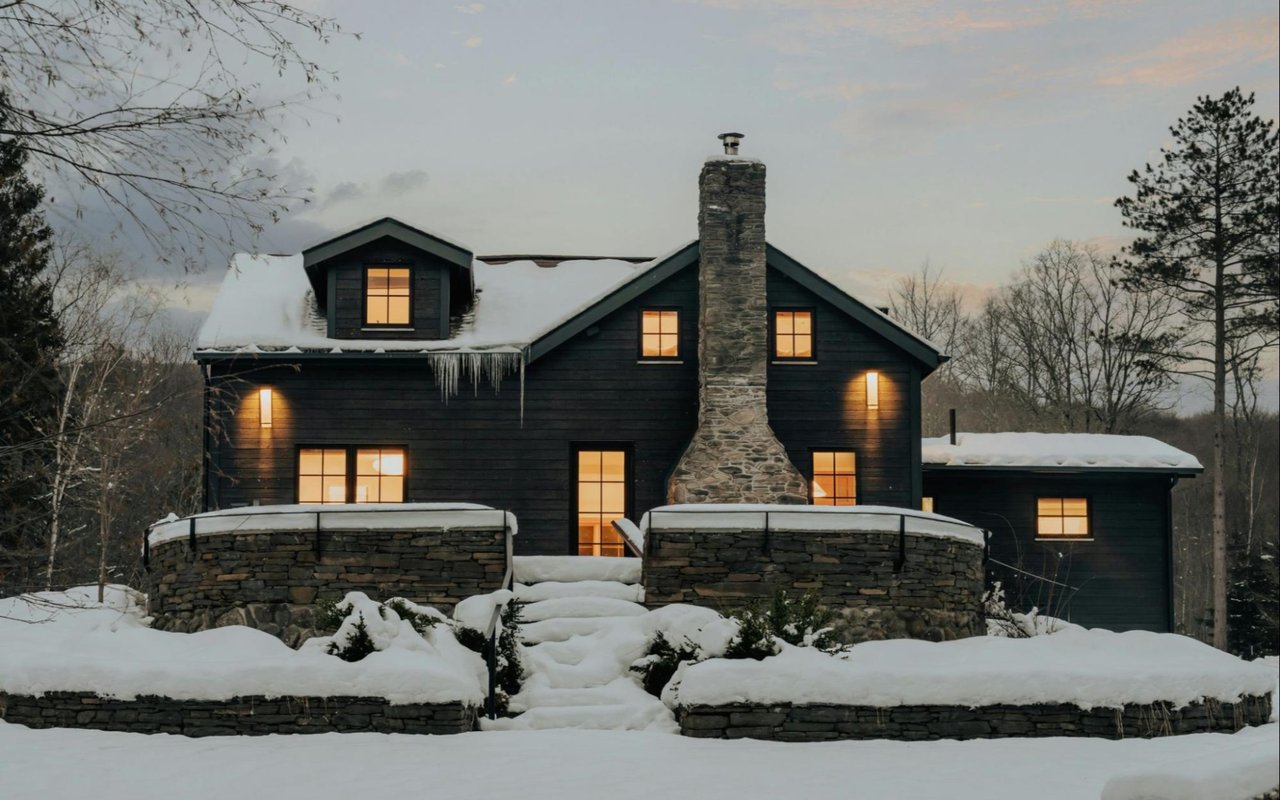
Even if you think of Nantucket mainly as a summer destination, winter operations still matter. The Town says public works begins snow and ice operations before storms and prioritizes main streets, downtown streets, sidewalks, and bike paths, with some lower-volume residential streets addressed later. Town departments also work year-round to maintain infrastructure and prepare for weather.
That is useful context for second-home owners who may not be on island full-time. Seasonal ownership still comes with year-round considerations, especially when it comes to access, storm preparation, and ongoing maintenance planning.
Tax treatment is not the same as a primary home
If you are comparing Nantucket to your primary residence, it is important to know that certain local benefits may not apply the same way. The Town says its residential exemption is limited to qualifying owned-and-occupied year-round primary residences. It is not automatic, and a second home generally would not qualify.
That detail matters when you are budgeting the true cost of ownership. A second home purchase is not only about the property itself. It is also about understanding the local framework that applies to how the home is used.
What second-home ownership really feels like
At its best, owning a second home on Nantucket can feel deeply rewarding. You have access to a place with a distinct historic identity, a strong seasonal rhythm, and a lifestyle that many buyers see as uniquely New England. For some owners, that means summer traditions and family gatherings. For others, it means quieter shoulder-season weekends and a reliable retreat from the pace of the mainland.
What makes Nantucket different is that the practical side of ownership is impossible to separate from the lifestyle side. Travel planning, preservation review, weather awareness, and seasonal schedules are all part of the experience. If that structure feels like part of the appeal rather than a burden, Nantucket may be a very natural fit.
For buyers coming from Boston or the South Shore, the key is going in with a clear picture of what daily life really looks like. The more clearly you understand the island’s systems and seasonal patterns, the more confident your decision can be.
If you are considering a coastal second-home purchase and want a thoughtful, experienced perspective on how island ownership fits into your broader real estate plans, Frank Neer can help you navigate the process with the calm guidance and market insight that high-value coastal decisions require.
FAQs
What is daily life like for second-home owners on Nantucket?
- Daily life changes a lot by season, with a quieter pace in the off-season and a much busier environment in summer when the population rises significantly.
What should buyers know about Nantucket travel logistics for a second home?
- Because Nantucket has no bridge, owners need to plan around ferry or flight schedules, and advance reservations can be important, especially for vehicle travel and peak periods.
What do Nantucket historic rules mean for second-home renovations?
- Exterior changes may require Historic District Commission review and approval, including certain work involving architectural features, driveways, and landscape elements.
What coastal risks matter when buying a second home on Nantucket?
- The Town identifies flooding, erosion, and sea-level-rise impacts as important issues, particularly in some low-lying and shoreline areas.
Can a Nantucket second home qualify for the residential exemption?
- In general, no, because the Town says the exemption is for qualifying owned-and-occupied year-round primary residences.