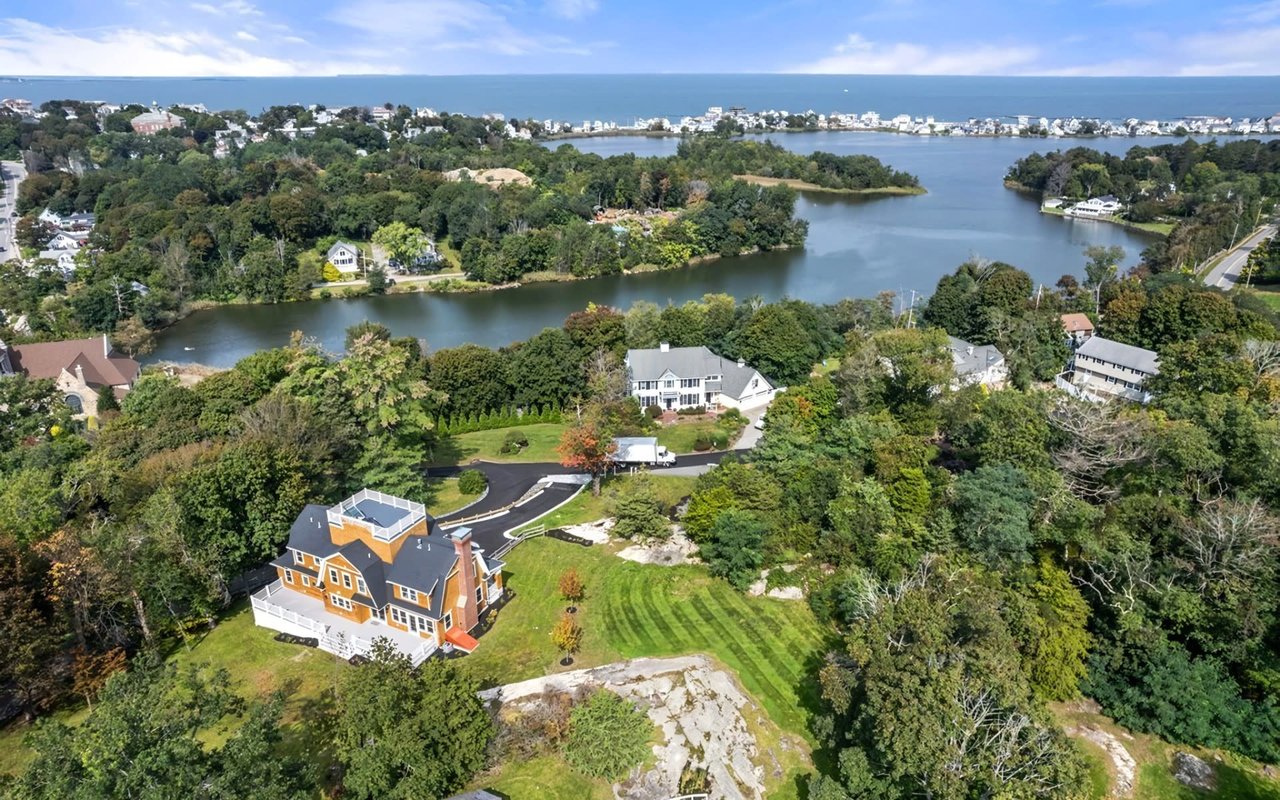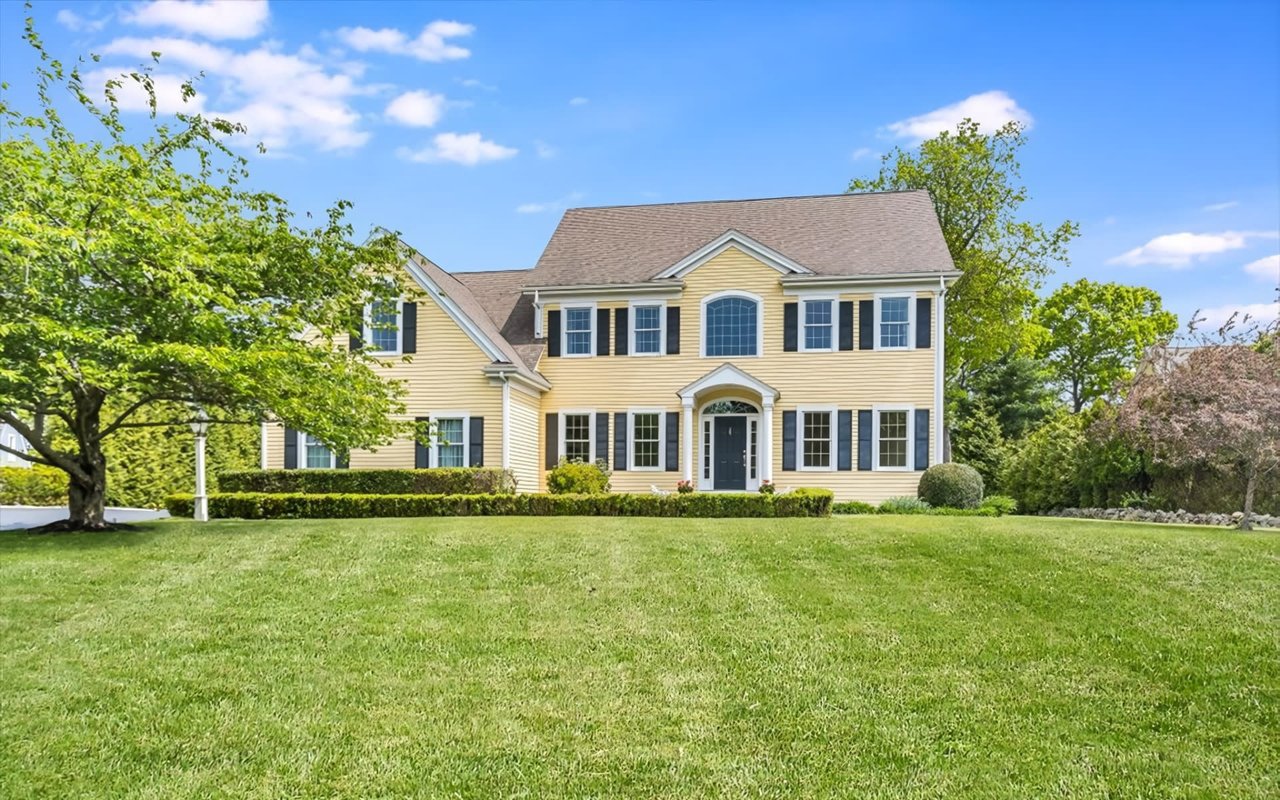
Wondering if buying near the Hingham ferry could make your commute easier without giving up the South Shore lifestyle? If you want quicker access to Boston, a more flexible routine, or a home that fits both work and coastal living, Hingham deserves a close look. The key is understanding how the ferry really works, which nearby areas fit different goals, and what tradeoffs come with living close to the dock. Let’s dive in.
Why the Hingham Ferry Stands Out
Hingham sits about 15 miles south of Boston and 30 miles north of Plymouth, with direct access to Boston through Route 3, MBTA Commuter Rail, and MBTA Ferry service. That gives you more than one way to manage a South Shore commute. For many buyers, that mix makes Hingham feel practical as well as scenic.
The ferry is not just a waterfront convenience. It is part of a broader coastal commuter setup that can appeal to buyers who want Boston access while living outside the city. If your schedule includes regular downtown trips, the ferry can be a meaningful part of your home search.
MBTA currently treats Hingham ferry service as two related patterns. Route F1 runs between Hingham and Rowes Wharf, while Route F2H connects Hingham, Hull, Logan Airport, and Long Wharf. Service runs year-round, with more frequent weekday morning and afternoon service.
What Buying Near the Ferry Can Offer
For the right buyer, ferry access can shape your daily routine in a positive way. Instead of planning every trip around highway traffic, you may have another commuting option that feels more predictable on many workdays. That can be especially attractive if you split time between the South Shore and Boston.
The ferry can also support a broader lifestyle decision. You may be looking for a home near the harbor, a lower-maintenance condo, or a property that makes Boston meetings and airport access simpler. In Hingham, ferry access can connect those goals.
That said, convenience looks different depending on where you buy. Some homes give you very quick dock access, while others offer a better balance of space, character, or privacy with a slightly longer trip to the terminal. Understanding those differences helps you shop more strategically.
Best Areas Near the Hingham Ferry
Shipyard and Route 3A
If your top priority is the easiest possible ferry access, the Shipyard and Route 3A corridor is the most commute-oriented part of town. The town describes this area as a transformed World War II-era shipyard that is strengthening connections to both Boston and Hingham Square. In practical terms, this is where many buyers start when they want to live closest to the dock.
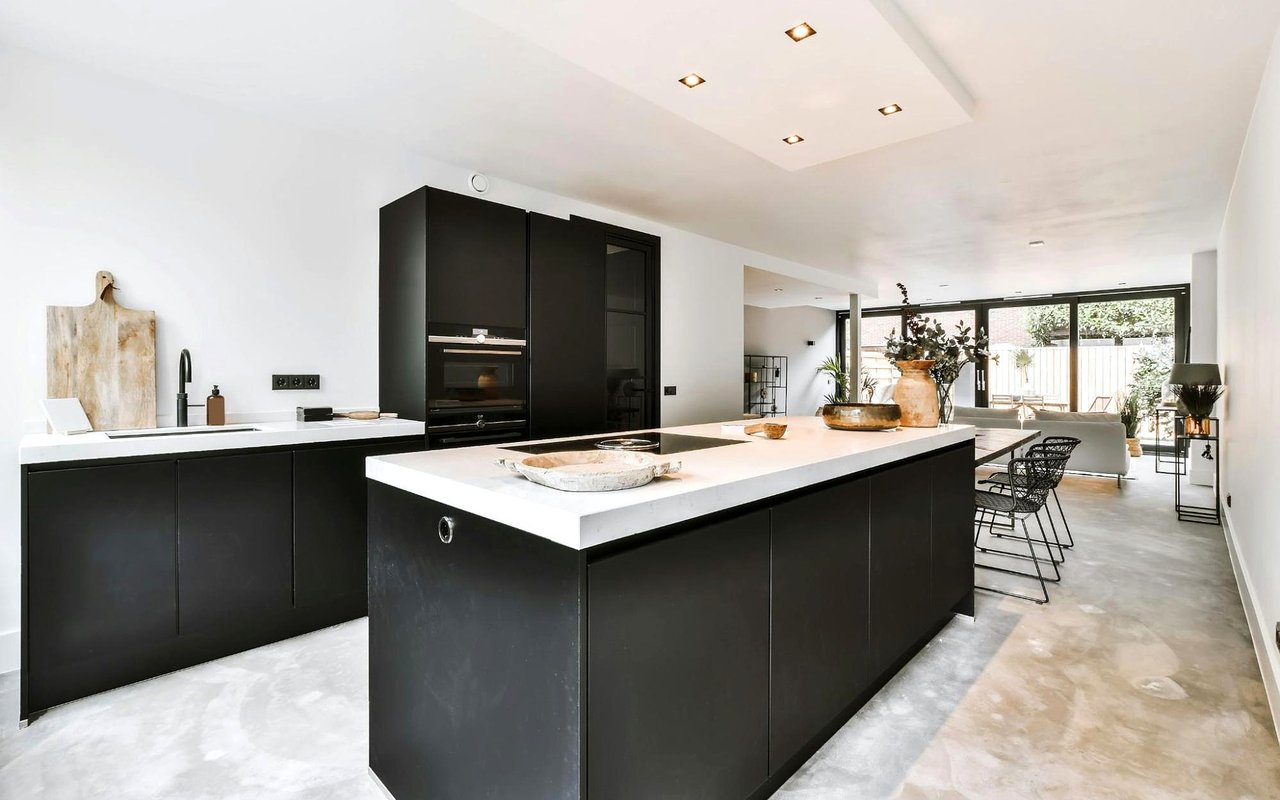
Housing in this area tends to include condos, apartments, and other lower-maintenance options. Town materials identify nearby communities such as Avalon Residences at the Hingham Shipyard, Avalon at the Hingham Shipyard, and The Cove at 300-350 Beal Street. If you value lock-and-leave convenience, structured parking in some settings, or simpler day-to-day upkeep, this area may fit well.
This part of Hingham often works well for buyers who want a true park-and-ride feel or easy terminal access. It can also make sense if you are relocating and want a smoother transition before deciding on a longer-term South Shore plan. For some buyers, that flexibility matters as much as the commute itself.
Downtown Hingham and Hingham Harbor
If you want a setting with more historic character, Downtown Hingham and the harbor area may be a better match. The town describes downtown as a place with small shops, restaurants, and historic properties near Hingham Harbor and the Bathing Beach. This is a different experience from the more commute-first feel of the Shipyard.
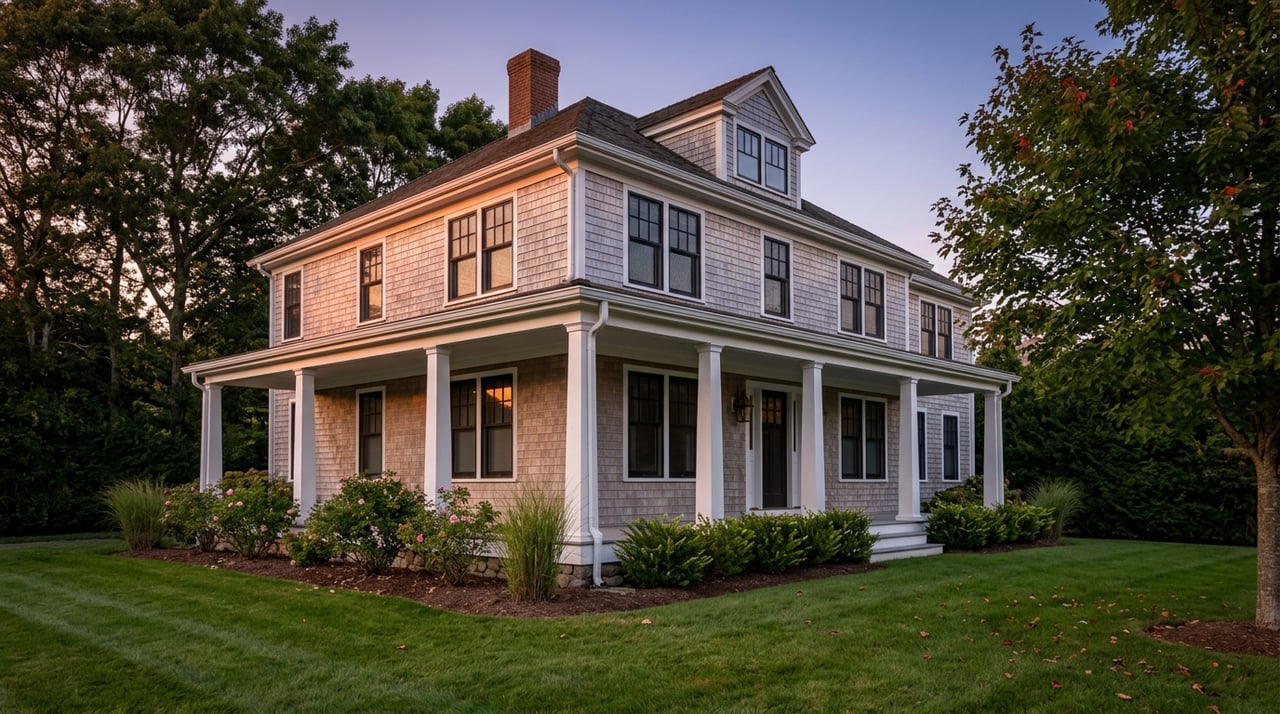
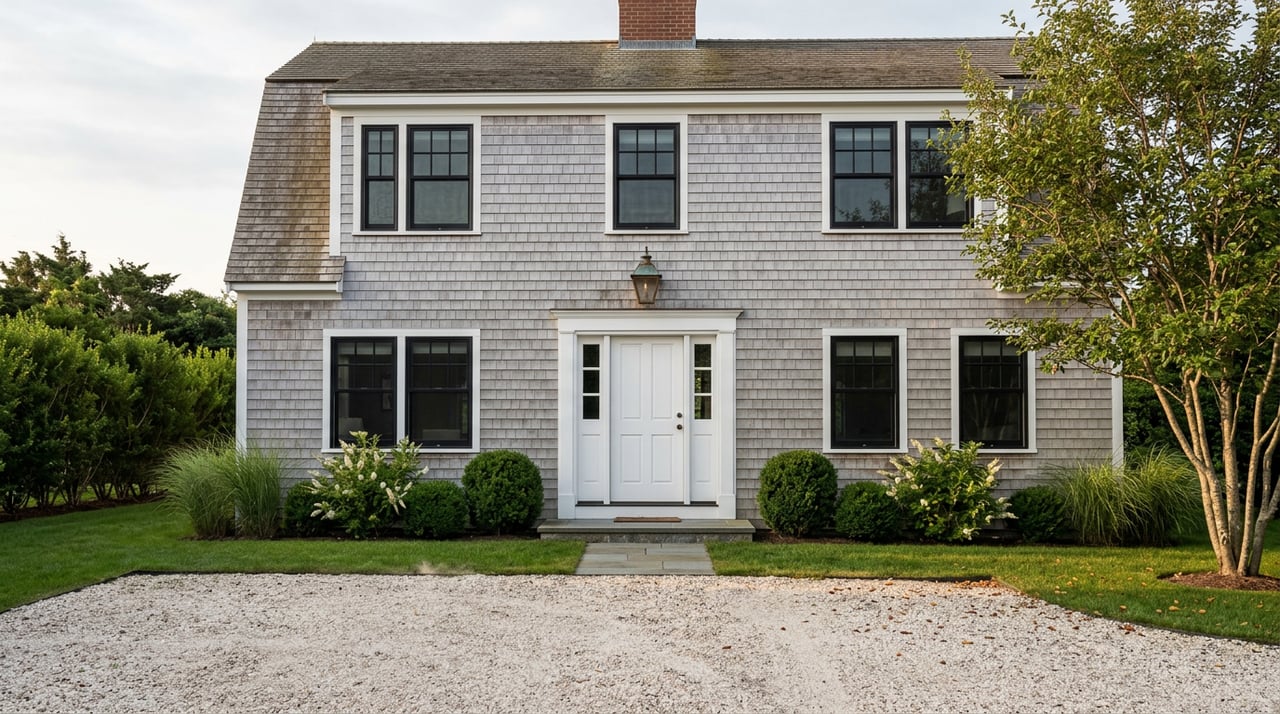
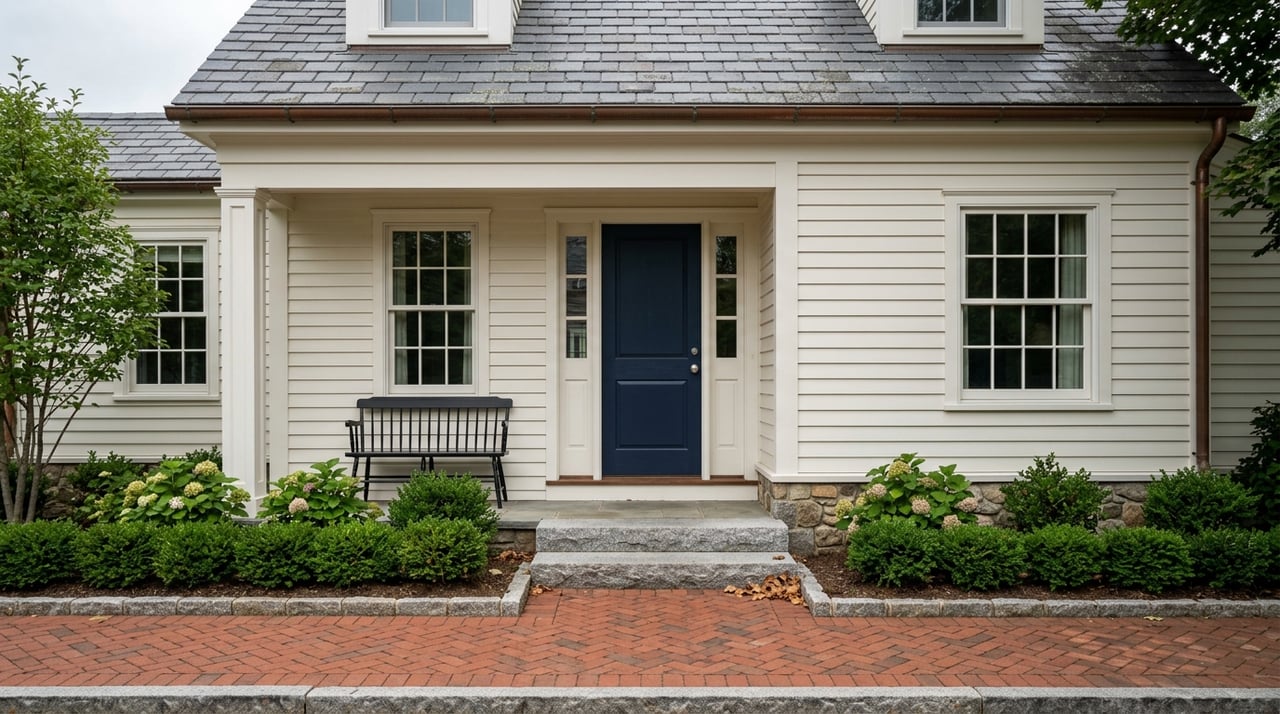
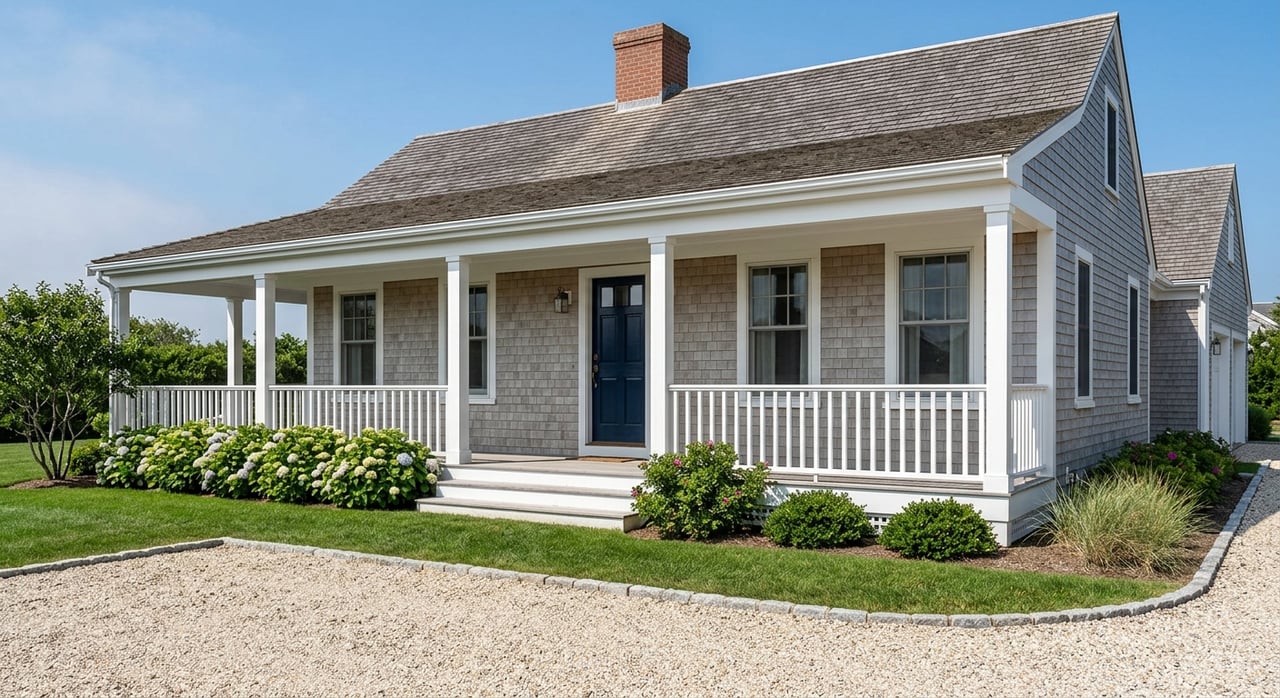
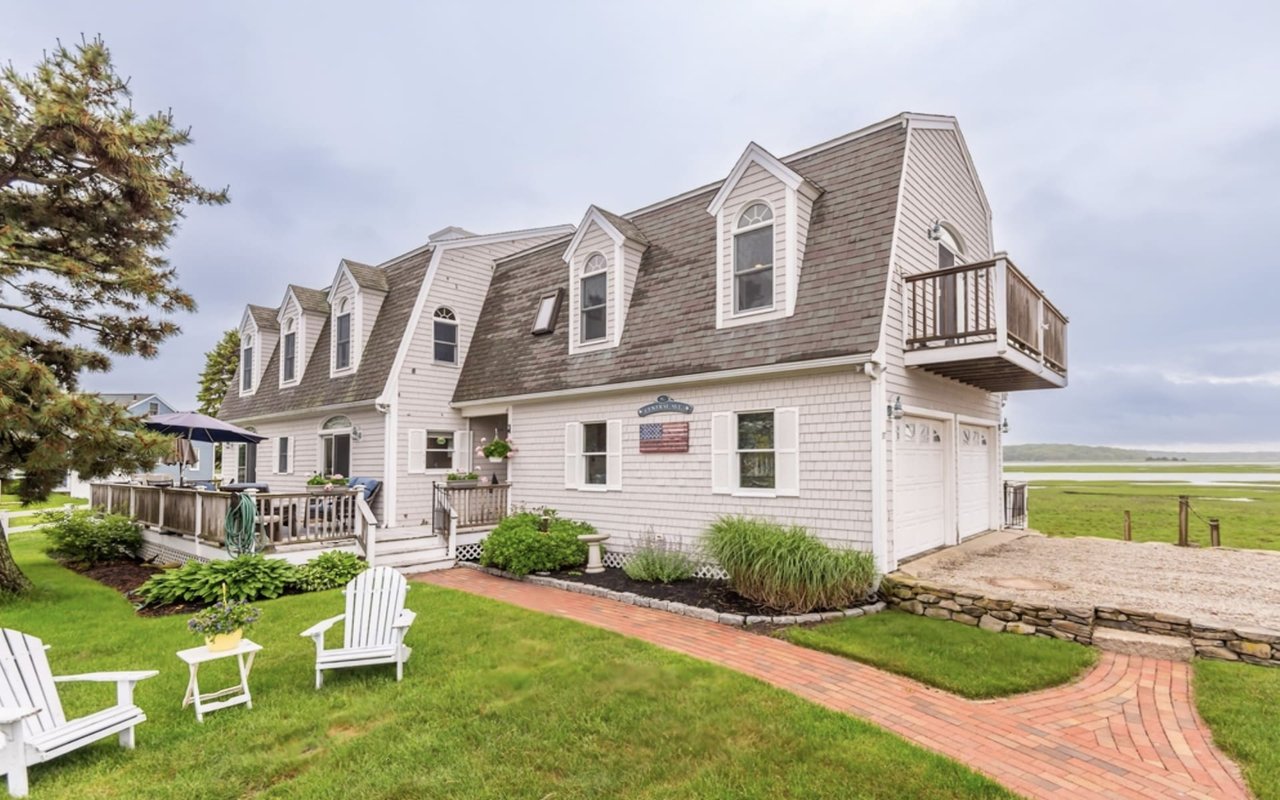
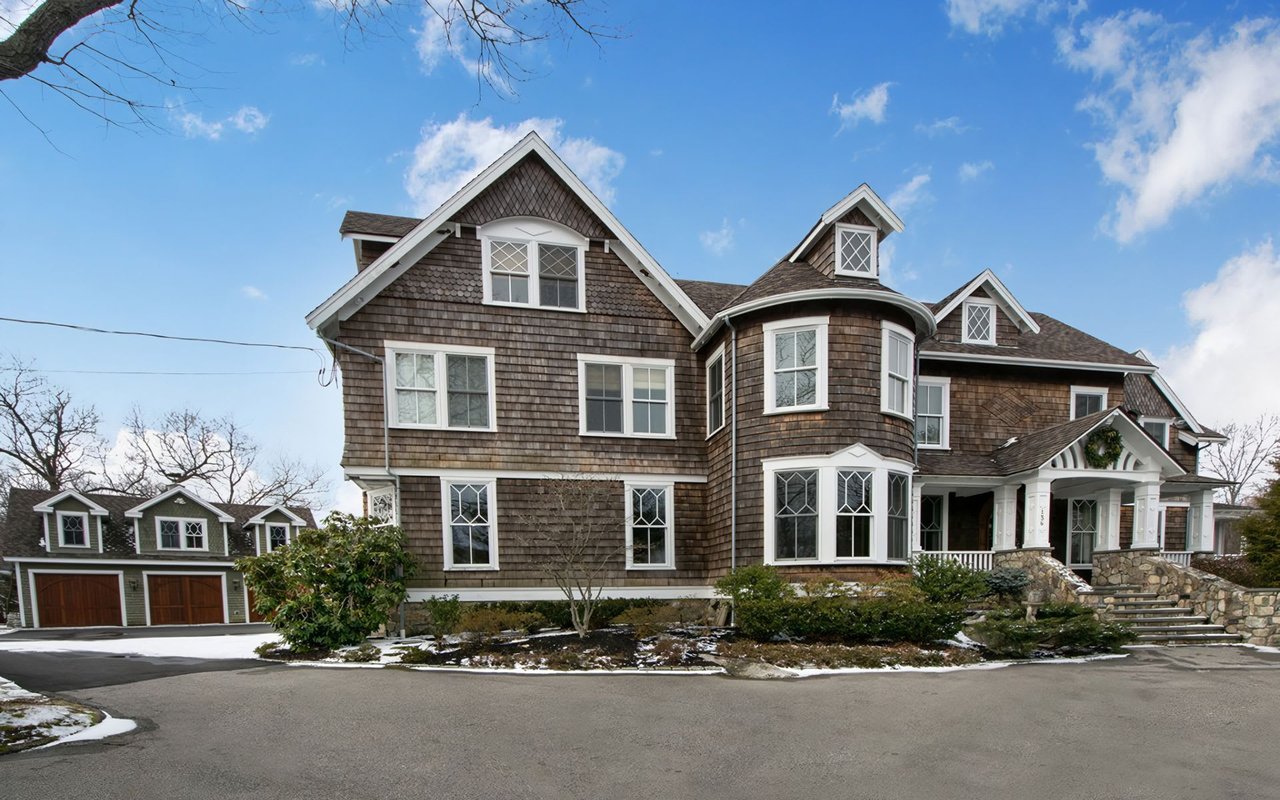
Buyers in this area will often encounter older homes with architectural character, along with possible historic-district considerations. The town notes that Hingham includes six historic districts and many well-kept antique houses. If you are drawn to older homes and a village-style setting, this area may offer more of what you are looking for.
The tradeoff is that you are not always right next to the ferry dock. Still, regular MBTA bus service connects the ferry terminal to Hingham Square, which can help support your commute. For many buyers, that creates a nice middle ground between charm and function.
Slightly Farther Out With Backup Transit
You do not necessarily have to buy right beside the ferry terminal to benefit from it. Hingham’s 2026 714 bus pilot strengthens connections to the Hull ferry, Route 220, and Nantasket Junction commuter rail. That can give you a useful transit backup if you prefer to search beyond the closest ferry-adjacent areas.
This matters if your home search includes a wider range of property types or price points within town. You may find that living a bit farther from the dock gives you more choice without giving up access entirely. For buyers who value flexibility, that wider lens can be helpful.
What to Know About Ferry Costs and Parking
Commute convenience should always be weighed against real monthly costs. The current MBTA fare page lists Hingham/Hull one-way fare at $9.75, with monthly passes available. One-way and round-trip tickets can be purchased in the mTicket app or at the Hingham Shipyard booth.
Parking is another practical part of the picture. MBTA parking information says the Hingham ferry station offers daily weekday and weekend parking at $2, and overnight parking is allowed. A town master plan snippet identifies the Hingham Ferry Terminal Parking Lot at 1,726 spaces, including 29 accessible spaces.
That large parking supply helps explain why the Shipyard works well as a commuter node. Even if you do not live immediately adjacent to the dock, the terminal can still function as part of your routine. For many buyers, this expands the range of homes worth considering.
The Ferry Tradeoffs Buyers Should Plan For
The ferry can be a great option, but it is not perfect for every household. Schedules matter, and service can change with seasonal patterns or weather disruptions. A town alert in January 2026 showed that service to and from Hingham can be limited or canceled during disruptions.
If you plan to rely on the ferry regularly, a backup commute plan is important. That may mean keeping Route 3, commuter rail, or bus connections in mind as part of your buying decision. Homes that offer more than one commuting path can provide added peace of mind.
Another detail that surprises some buyers is onboard connectivity. MBTA says there is no Wi-Fi on the Hingham/Hull and Logan Airport routes. If you expect to work during the ride, you may need to rely on your mobile data instead.
Home Types You Are Likely to See
Hingham sits in a premium price tier, and that shapes what many ferry-area buyers will find. Market snapshots cited in the research show a March 2026 median sale price of $1.3 million, a median list price of $1,724,650 as of April 30, 2026, and about 43 homes for sale with a median list price around $1.8 million. In short, this is a high-value South Shore market.
Near the ferry, the product mix often reflects both commute needs and the town’s built environment. Close-in Shipyard inventory tends to favor condos, apartments, and other lower-maintenance homes. Downtown and harbor-adjacent areas tend to lean more toward historic houses and antique properties.
That difference can help you narrow your search faster. If you want easy upkeep and the shortest route to the dock, the Shipyard area may rise to the top. If you prefer architectural character and a more traditional village or harbor setting, downtown or harbor-adjacent options may be worth the extra commute step.
How to Decide If Ferry-Adjacent Living Fits You
The best home near the Hingham ferry is not always the one closest to the water. It is the one that matches how you actually live. Your work schedule, comfort with weather-related changes, parking habits, and preference for condo versus historic-home living all matter.
A few questions can help guide your search:
- How many days each week will you realistically use the ferry?
- Do you need a backup commute option for bad weather or service alerts?
- Would you rather have walkable dock access or more space and a different home style?
- Do you want a lower-maintenance property or a character-filled older home?
- Will airport access through the F2H route be useful to your routine?
When you answer those questions early, you can search with more clarity. That usually leads to better decisions and fewer compromises.
A Smart Approach for South Shore Buyers
Buying near the Hingham ferry is about more than shaving time off a commute. It is about choosing the version of South Shore living that works for your schedule, budget, and long-term plans. For some buyers, that means a condo near the Shipyard. For others, it means a harbor-area home with more character and a slightly different daily rhythm.
Because Hingham is both a lifestyle market and a premium coastal market, local guidance matters. Understanding where ferry convenience, home type, pricing, and backup transit come together can help you avoid a search that looks good on paper but feels less practical once you move in.
If you are weighing Hingham against other South Shore options or trying to match ferry access with the right property type, Frank Neer can help you navigate the market with local insight and a steady, informed approach.
FAQs
What is the Hingham ferry route to Boston?
- MBTA Route F1 runs between Hingham and Rowes Wharf, and Route F2H runs between Hingham, Hull, Logan Airport, and Long Wharf.
How much does the Hingham ferry cost?
- The current MBTA fare page lists Hingham/Hull one-way fare at $9.75, and monthly passes are available.
Is parking available at the Hingham ferry terminal?
- Yes. MBTA says the Hingham ferry station offers $2 daily parking on weekdays and weekends, and overnight parking is allowed.
What homes are common near the Hingham ferry?
- Near the Shipyard, you are more likely to find condos, apartments, and other lower-maintenance homes, while downtown and harbor-adjacent areas tend to have older houses and antique properties.
Is the Hingham ferry reliable year-round?
- The service runs year-round, but schedules can change seasonally and weather disruptions can limit or cancel service, so a backup commute plan is wise.
Can you work on the Hingham ferry during the ride?
- You can work onboard if your setup allows it, but MBTA says there is no Wi-Fi on the Hingham/Hull and Logan Airport routes, so you may need mobile data.