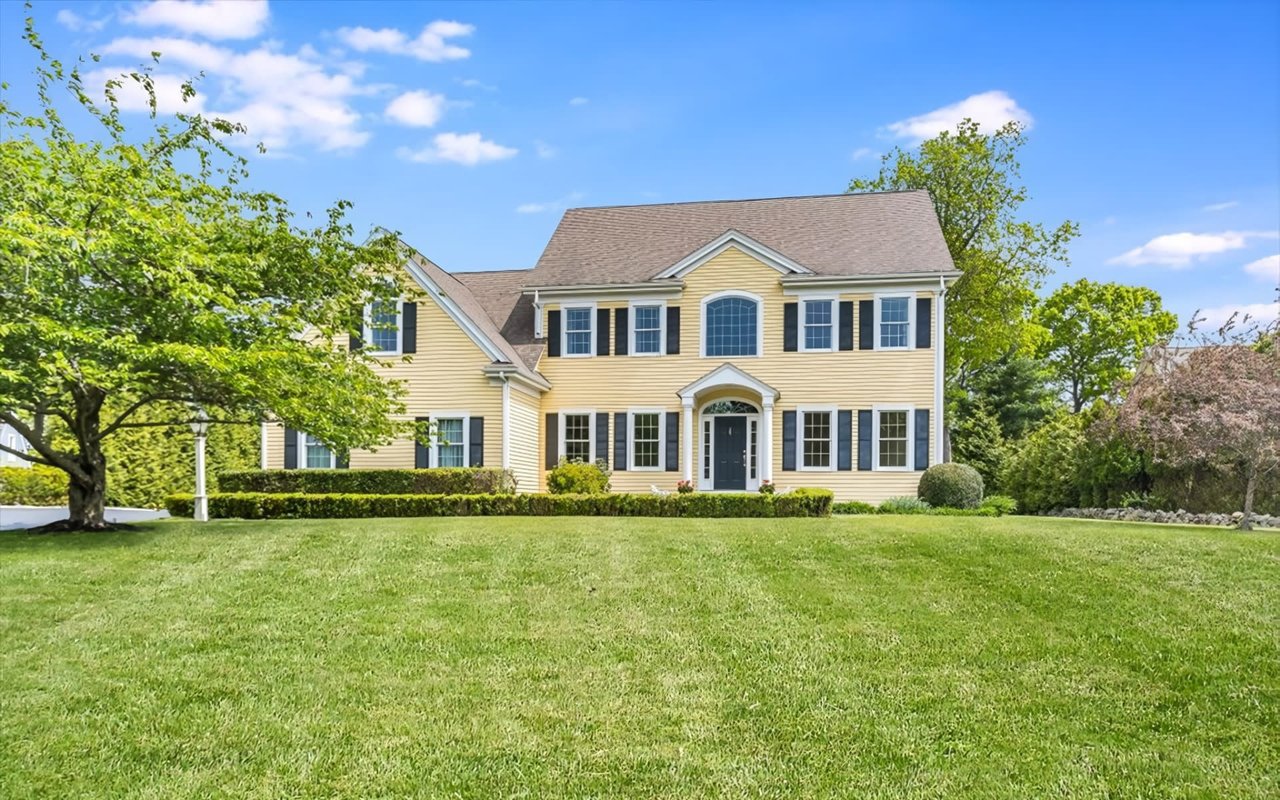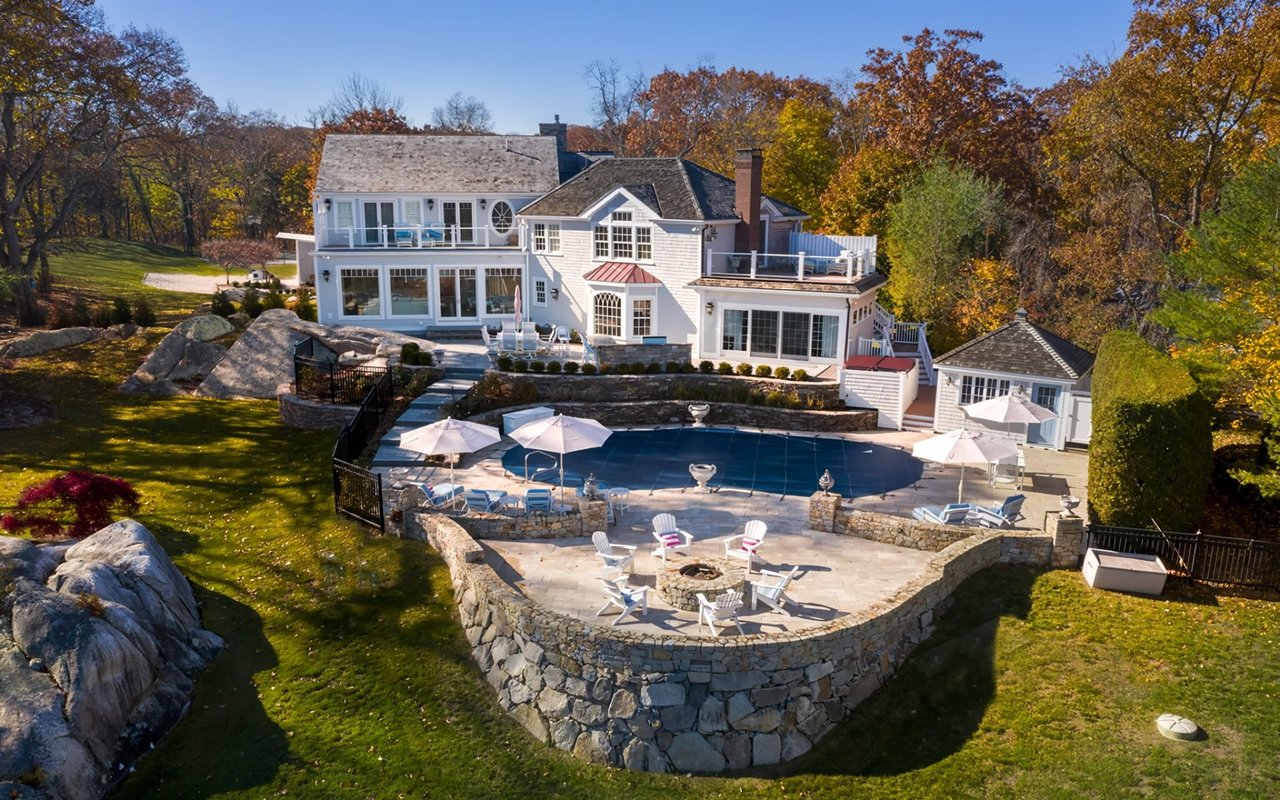
If you are drawn to Duxbury, you may already know the big question is not whether the town is appealing. It is which version of Duxbury fits the way you want to live. For some buyers, that means water views, boating access, and a coastal setting near the bay. For others, it means a more central neighborhood feel with historic streets, sidewalks, and everyday convenience. This guide will help you understand how bayfront and village real estate in Duxbury differ, what tradeoffs to expect, and which details deserve a closer look. Let’s dive in.
Duxbury real estate at a glance
Duxbury is a historic coastal town on Cape Cod Bay about 35 miles south of Boston, with a residential character, village atmosphere, beaches, recreation, and a strong shipbuilding legacy. It is also a high-value market, with public data showing an average home value of $1,133,900 on Zillow as of May 31, 2026, a median sale price of $1,179,294 on Redfin for the three months ending May 2026, and a median listing price of about $1.35 million on Realtor.com.
Those numbers point to a market that is both expensive and relatively tight. In other words, whether you focus on the bayfront or the village, you are usually comparing two desirable settings within the same fast-moving market.
Why bayfront and village feel different
The split between bayfront and village real estate in Duxbury is about more than price or style. It is really about how each area is oriented.
Bayfront properties tend to be shaped by water access, views, boating, and coastal exposure. Village properties tend to be shaped by streetscape, walkability, civic uses, and proximity to the town’s day-to-day rhythm.
That distinction matters because buyers often come in saying they want “charm” or “location,” but those words can mean very different things in Duxbury. A home near the water and a home in the village may both be historic and highly appealing, but they often deliver very different daily experiences.
Bayfront real estate in Duxbury
Bayfront areas include more than one setting
Duxbury’s bayfront market is not one single submarket. It includes the marina-centered and working-waterfront environment around Snug Harbor, along with the more residential coastal setting of Powder Point and nearby King Caesar Road.
Town planning materials describe Snug Harbor as Duxbury’s working waterfront, water recreation area, and water-based neighborhood business district. It includes the public boat launch, the town pier, and access to roughly 600 moorings in Duxbury Bay, along with waterfront institutions such as the Duxbury Bay Maritime School, the Duxbury Yacht Club, and the Harbormaster.
Powder Point has a legacy coastal feel
Powder Point developed with a different identity. Local district studies say the area began to grow as a summer-home community after the railroad arrived in 1871 and the Powder Point Bridge was built in 1887.
The area is described as having about 150 homes and evolving from an early settlement and farming area into a summer-residence landscape with grand homes along King Caesar Road. That history still helps explain why some bayfront properties feel especially scenic, estate-like, and tied to seasonal coastal living.
Bayfront architecture is varied
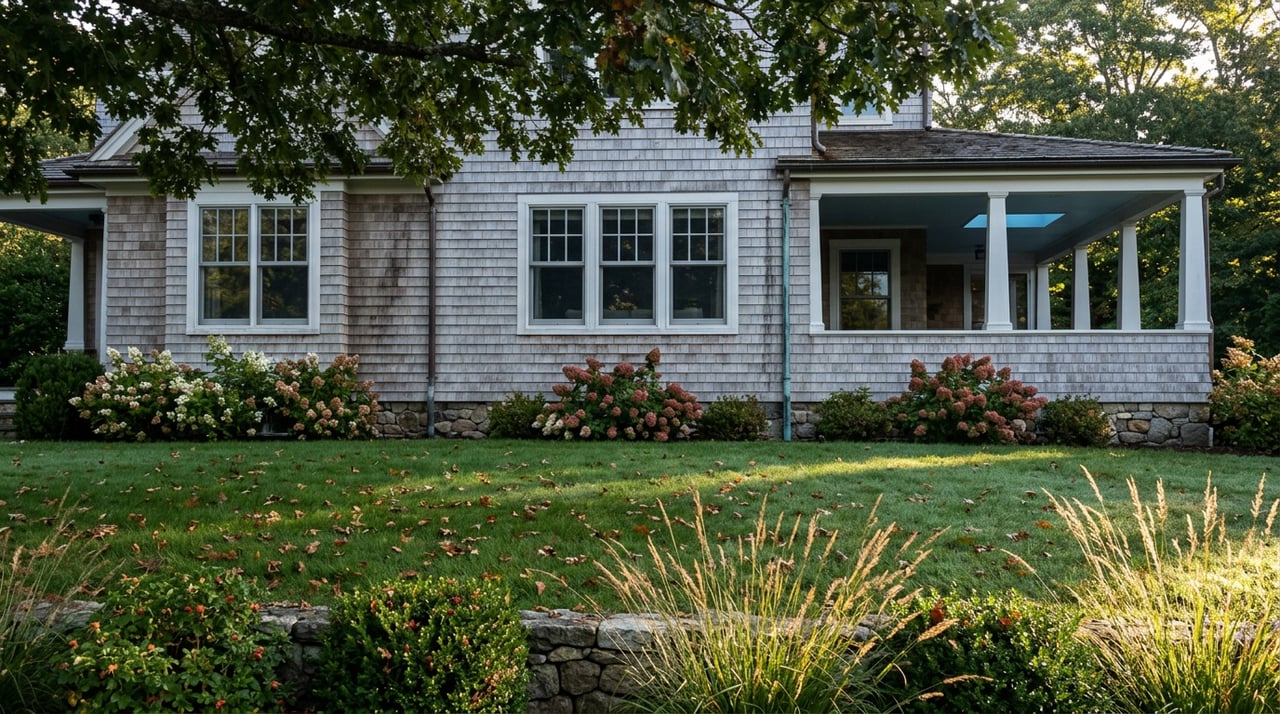
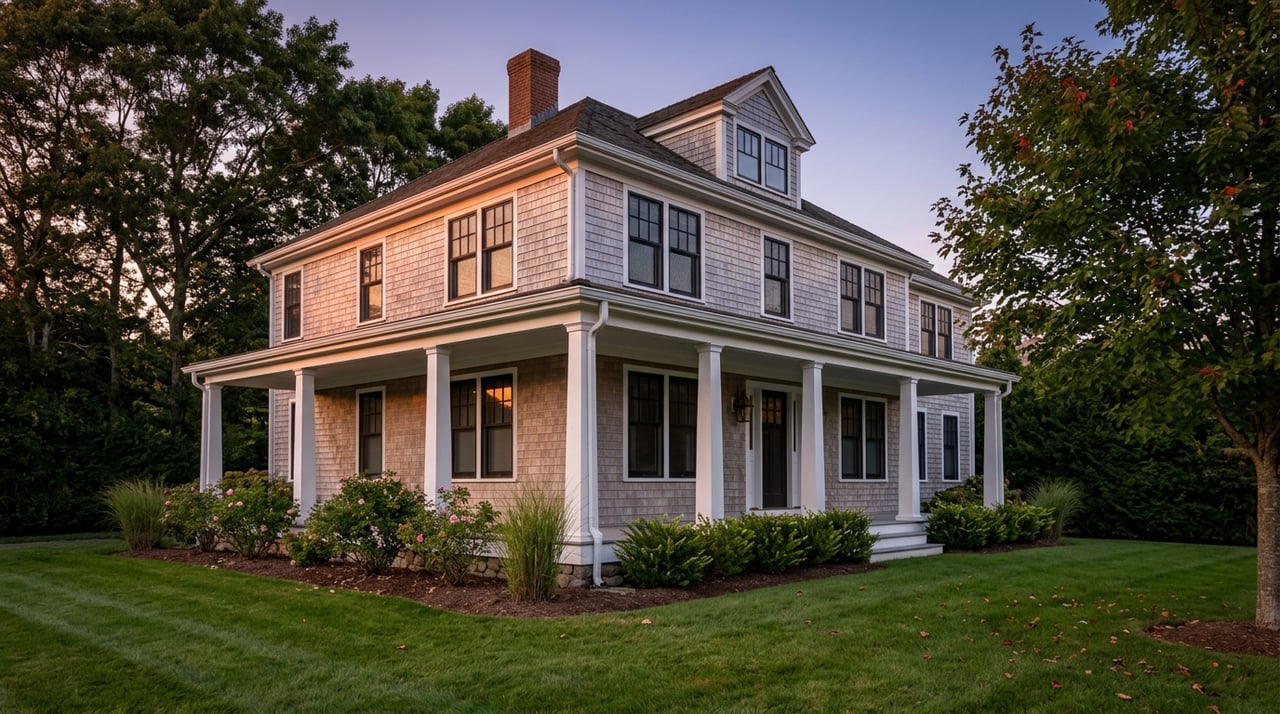
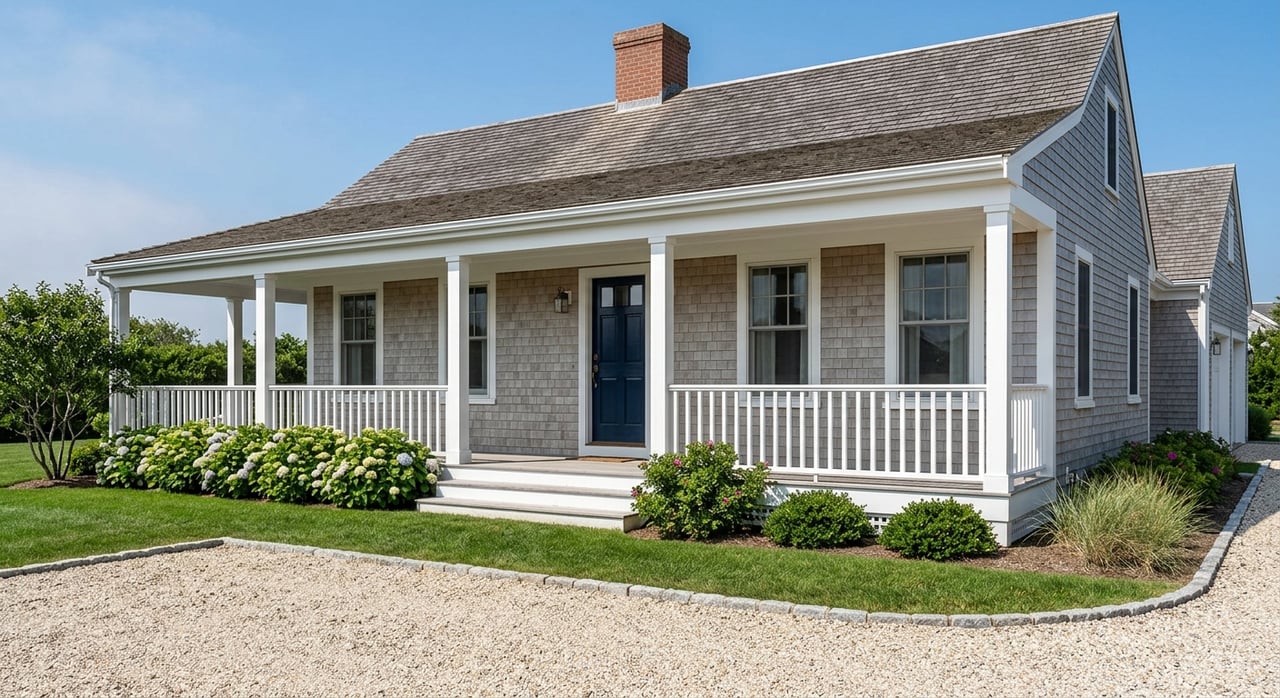
One of the most appealing parts of Duxbury’s bayfront is that it is not visually uniform. Local studies document Federal and Colonial forms, early summer homes, shingle-clad coastal properties, and custom waterfront estates.
For you as a buyer, that means the bayfront offers a broad mix rather than a single look. You may find older period homes, early-20th-century summer houses, or more substantial custom residences, sometimes within the same broader waterfront area.
Water access needs close review
On the bayfront, access is often more important than lot size alone. A property may be near the water, but that does not always mean it includes direct shoreline use, a dock, or boating rights.
Historic district materials note that some properties may include a right-of-way to the bay or rights tied to a bathing house rather than direct waterfront ownership. If you are comparing bayfront homes, it is worth asking whether the property offers usable shoreline, a dock, a mooring, indirect access, or simply proximity to the water.
Moorings do not automatically transfer
This is one of the most important details for waterfront buyers in Duxbury. The town’s Harbormaster manages moorings and waitlists, and the rules say mooring permits are annual, personal to the individual applicant, and generally not transferable without written approval.
That means you should not assume a home comes with a transferable mooring just because it sits near the harbor or bay. If boating access is central to your plans, confirming the exact status of any mooring should be part of your due diligence.
Docks and piers are regulated
Bayfront buyers should also understand that dock and pier work is regulated locally. The town requires approval through the Conservation Commission before building a dock, and some projects may also require MassDEP Chapter 91 licensing.
The town states that docks and piers should be as small as possible and are intended only to provide safe access to a watercraft. In practical terms, that makes waterfront ownership more detailed and review-heavy than many buyers expect at first.
Coastal conditions are part of ownership
Waterfront living in Duxbury can be beautiful, but it also comes with greater exposure to coastal conditions. Snug Harbor’s resilience plan notes that coastal flooding has already affected places such as the boat launch, Mattakeesett Court, and Washington Street.
For you, that means flood exposure, shoreline maintenance, weather resilience, and public infrastructure planning may all factor into the ownership experience. These are not reasons to avoid the bayfront, but they are reasons to evaluate it with clear eyes.
Village real estate in Duxbury
Village areas are rooted in the town core
Duxbury’s village neighborhoods are anchored by the older civic and commercial core rather than the shoreline. Local historic studies say Washington Street was laid out in 1798 as the shore road leading from the town’s commercial core in South Duxbury to the Bluefish River.
The same materials identify the area as part of the Shipbuilder’s District and describe many Washington Street houses as among the earliest extant residential construction in Duxbury Village. That gives the village a more settled and street-oriented feel than the summer-home pattern seen in parts of the bayfront.
Village architecture reflects classic New England forms
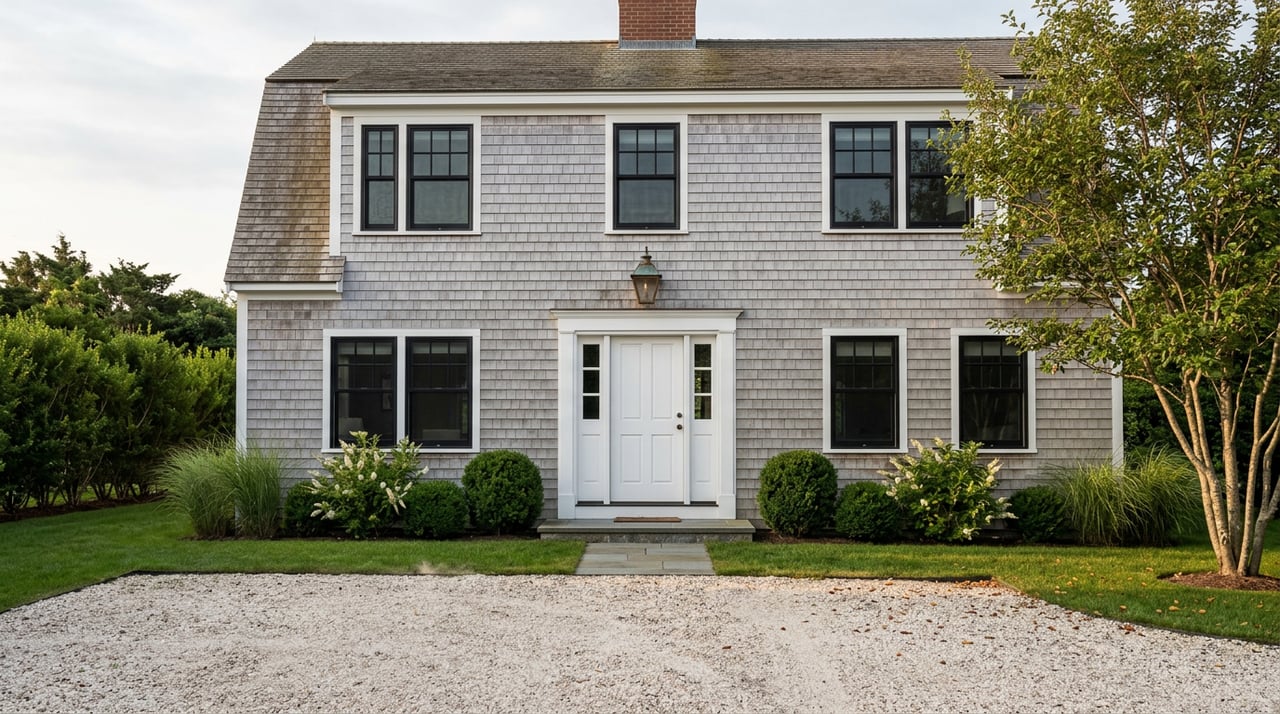
Village properties lean more heavily toward Federal-period, Greek Revival, and Colonial Revival architecture. Local studies document the Old Town Hall as a Greek Revival building from 1840, along with Federal-era residences and later Colonial Revival homes in and around the Washington Street corridor.
The result is a classic New England civic streetscape. If you are drawn to traditional facades, historic street frontage, and homes that feel tied to the town’s everyday history, the village may be the stronger match.
Walkability is part of the appeal
The village is generally the more walkability-oriented setting in Duxbury. The town’s Complete Streets program is targeting Washington Street for sidewalks and safer pedestrian circulation, including segments near the school campus, Linden Lane, Hall’s Corner, the Bluefish River Bridge, and Fort Hill Lane.
Older planning guidance also emphasizes village design elements such as minimal front setbacks, sidewalks, parking behind buildings, and traditional architecture. That supports a lifestyle centered more on daily errands, strolling, and civic access than on shoreline activity.
Village lots are more street-oriented
In many village locations, the lot pattern reflects the historic street layout rather than waterfront land use. That usually means buyers are trading some shoreline privacy and marine focus for closer ties to sidewalks, civic buildings, and the everyday flow of town.
For some people, that trade is exactly the point. A village home can feel more connected to Duxbury’s year-round rhythm, while still offering history, character, and strong long-term appeal.
Snug Harbor as a middle ground
Snug Harbor is worth thinking about as its own category. The town’s community development plan describes it as a small mixed-use district on Washington Street with retail, restaurants, a post office, a private school, the Duxbury Yacht Club, and the marina.
That mix gives Snug Harbor a hybrid personality. If you want a historic neighborhood feel with water-adjacent energy and activity, it can offer a middle ground between a purely village setting and a more residential bayfront setting like Powder Point.
Historic districts matter in both areas
One of the biggest factors in Duxbury real estate is the town’s preservation framework. Study materials from the Local Historic District Commission list 14 local historic districts, including Powder Point, Washington Street, Old Town Hall, Temple Street, Alden, Winsor, Bay Road, and Bay View Road.
Why does that matter to you? In many areas, visible exterior changes may be subject to local historic-district review. If you are considering renovations or exterior updates, it is smart to understand whether the property falls within one of these districts and how that may shape future plans.
How to decide which area fits you
When buyers compare bayfront and village real estate in Duxbury, the best choice usually comes down to lifestyle priorities. Neither setting is universally better. Each rewards a different kind of ownership experience.
If your priorities center on water views, boating, mooring access, and a signature coastal setting, the bayfront will usually be the stronger fit. If your priorities center on walkability, historic streetscape, and a more central neighborhood feel, the village will usually make more sense.
Here is a simple way to think about the tradeoff:
| Priority | Bayfront | Village |
|---|---|---|
| Water views and boating | Stronger fit | Less central |
| Walkability and civic access | More limited | Stronger fit |
| Coastal exposure | Higher | Lower |
| Street-oriented setting | Less typical | More typical |
| Due diligence on access and moorings | More important | Usually less central |
Questions to ask before you buy
No matter which part of Duxbury interests you most, a few questions can help you compare properties more clearly.
- Does the property include direct and usable water access, or only proximity to the water?
- If there is a mooring connection, what is its exact status under town rules?
- Is the home located in a local historic district?
- How is beach or harbor access actually handled in that area?
- How much coastal exposure or resilience planning should factor into your decision?
These are the kinds of details that can shape not only value, but also your day-to-day enjoyment of the property.
In a town like Duxbury, where inventory can be limited and the price points are high, clear local guidance matters. If you are weighing a waterfront estate, a harbor-adjacent home, or a village property on the South Shore, working with a team that understands coastal nuance, historic settings, and lifestyle fit can make the process much smoother. When you are ready to talk through your options, connect with Frank Neer.
FAQs
What defines bayfront real estate in Duxbury?
- Bayfront real estate in Duxbury generally includes water-oriented areas such as Snug Harbor, Powder Point, and nearby streets tied to Duxbury Bay, where views, boating access, and coastal conditions often play a larger role in value and daily use.
What defines village real estate in Duxbury?
- Village real estate in Duxbury usually refers to homes near the town’s older civic and commercial core, especially around Washington Street and nearby historic areas, where the setting is more street-oriented and walkability is a bigger part of the lifestyle.
Do Duxbury waterfront homes include transferable moorings?
- No, not automatically. Duxbury’s mooring permits are annual, personal to the applicant, and generally not transferable without written approval, so buyers should confirm the exact status directly during due diligence.
Are historic districts common in Duxbury?
- Yes. Duxbury has an active preservation framework with 14 local historic districts listed in 2025 study materials, and that can affect visible exterior changes on properties within those districts.
Is Snug Harbor more bayfront or village in Duxbury?
- Snug Harbor functions as a blend of both. It has waterfront and marina uses, but it also serves as a small mixed-use district connected to surrounding historic neighborhoods along Washington Street.
What should buyers check when comparing Duxbury bayfront homes?
- Buyers should closely review actual water access, mooring status, dock or pier approval issues, historic district location, and the property’s exposure to flooding or other coastal conditions.