By Frank Neer
The air inside your home has a major impact on how you feel day to day. Whether you're spending the evenings relaxing in your living room, hosting friends in your kitchen, or winding down in your bedroom, the quality of the air around you shapes your comfort and overall well-being in ways that are easy to overlook. The good news is that improving indoor air quality is more achievable than most people think, and many of the best solutions are surprisingly simple.
Cohasset is a coastal community where salt air, seasonal pollen, and the natural landscape are all part of daily life. Homes here are often well-built and tightly sealed, which is wonderful for energy efficiency, but can also mean that refreshing and filtering the air inside your home takes a bit of intentional effort.
This guide will walk you through practical, effective strategies for creating a fresher, cleaner indoor environment that you'll notice and appreciate.
Key Takeaways
- Regular ventilation and airflow management are among the most effective tools for improving indoor air quality.
- Air purifiers with HEPA filtration can significantly reduce airborne particles throughout your home.
- Houseplants and natural materials can complement your air quality efforts in meaningful ways.
- Humidity control plays a major role in how fresh and comfortable your home's air feels.
- Routine maintenance of HVAC systems and filters keeps air quality consistently high year-round.
Ventilation Is Your First and Most Critical Tool
One of the most straightforward ways to refresh the air in your home is to increase ventilation. When outdoor conditions allow, opening the windows on opposite sides of the house creates cross ventilation, which draws fresh air through the space and allows stale air to move out. In Cohasset, mild spring and pleasant fall days offer ideal opportunities to take full advantage of the natural airflow without heating or cooling costs.
Beyond opening the windows, ceiling fans and portable fans can help circulate air more evenly throughout each room. Moving air consistently is better than still air, and the more you keep it circulating, the less likely you are to notice stuffiness or staleness in any particular area of the home.
Kitchen and bathroom exhaust fans serve an important purpose that's worth revisiting. Running your kitchen exhaust fan while cooking reduces moisture, cooking particulates, and steam, keeping the air in adjacent rooms noticeably fresher. Bathroom fans, when used during and after showers, prevent humidity from lingering and contributing to that closed-in feeling that many homes develop over time.
Ventilation Habits Worth Building
- Run kitchen exhaust fans during and for several minutes after cooking.
- Use bathroom fans consistently to manage post-shower moisture.
- Open the windows when outdoor air quality and weather permit, particularly during early mornings when pollen counts tend to be lower.
- Use ceiling fans in a counterclockwise direction during warmer months to create a breeze and keep air moving throughout larger rooms.
Air Purifiers and Filtration Make a Real Difference
A high-quality air purifier can be one of the most impactful investments you make for your home's indoor environment. Purifiers fitted with True HEPA filters are capable of capturing a substantial percentage of airborne particles, ranging from dust and pet dander to pollen and other microscopic irritants. Placing a purifier in a bedroom or main living area allows it to work consistently in the spaces where you spend the most time.
When evaluating air purifiers, look at the CADR rating, which stands for Clean Air Delivery Rate. This number tells you how effectively the purifier cleans a given volume of air per minute. A higher CADR paired with the right room size means the unit is cycling through the air frequently, keeping spaces fresh and clear.
Activated carbon filters, often included alongside HEPA filters in combination units, help address compounds that may come from paints, furniture finishes, or cleaning products. These layers of filtration work together to provide comprehensive air cleaning that covers a wide spectrum of what might be floating around your living spaces.
What to Look For in an Air Purifier
- True HEPA filtration rated to capture particles as small as 0.3 microns.
- A CADR rating appropriate for the square footage of the room where the unit will be placed.
- A combination HEPA and activated carbon filter for broad-spectrum filtration.
- A unit with quiet operation settings so it can run continuously in bedrooms without disruption.
- Filter replacement indicators so you always know when maintenance is needed.
Houseplants and Natural Materials Add Freshness Naturally
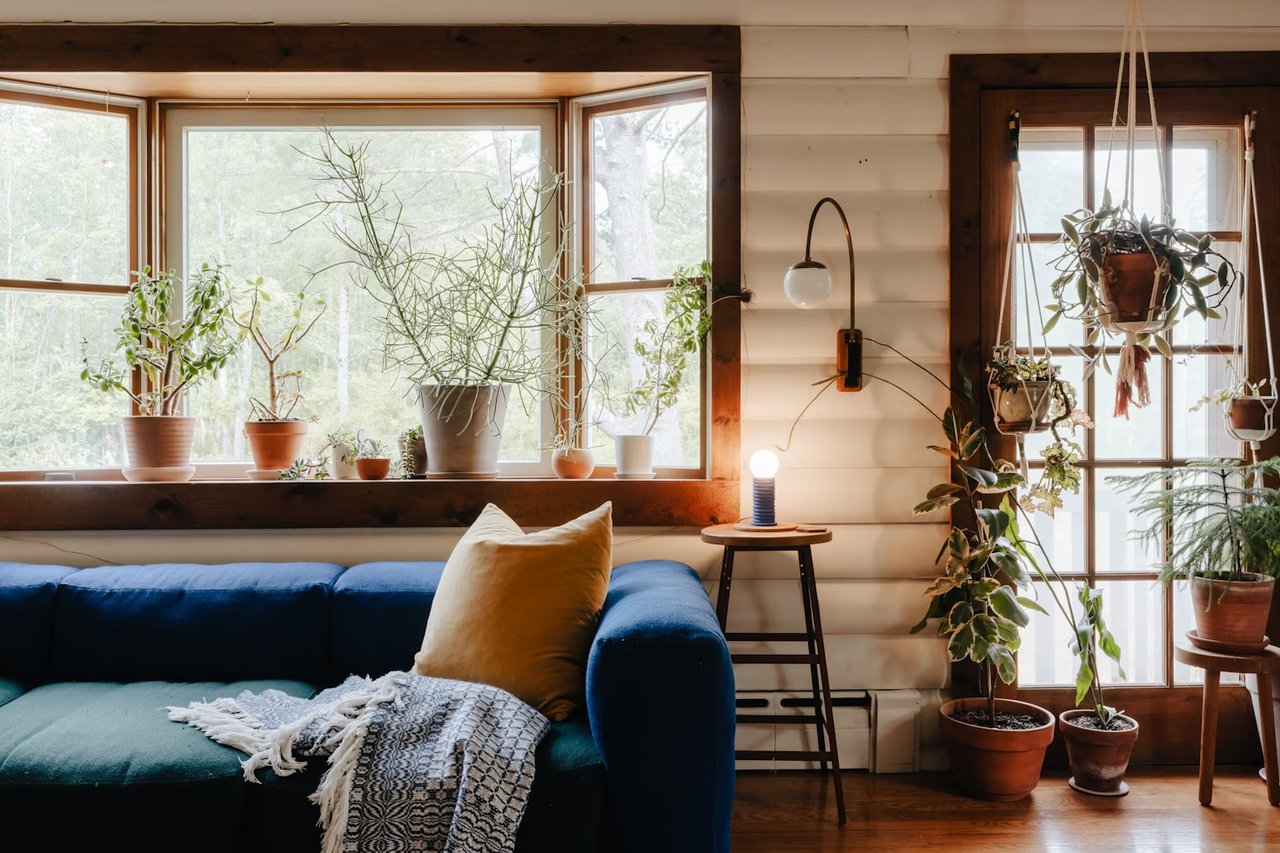
Houseplants are a wonderful complement to other air quality strategies in your home. While they work best as part of a broader approach rather than a sole solution, certain plants are well-regarded for their ability to contribute to a healthier indoor environment. Peace lilies, spider plants, snake plants, and pothos are popular choices that thrive indoors and bring a natural, living element to your interiors.
Beyond their functional benefits, plants simply make spaces feel more alive and inviting. A well-placed grouping of plants in a sunlit room in a Cohasset home adds warmth and texture while contributing to the overall freshness of the space. They also absorb carbon dioxide and release oxygen, which supports a more balanced indoor atmosphere.
Choosing natural materials for your home furnishings and finishes is another meaningful consideration. Furniture pieces made from solid wood, natural fiber rugs, and organic cotton textiles tend to introduce fewer airborne compounds than some synthetic alternatives. When renovating or decorating, looking for low-VOC paints and finishes is a thoughtful way to keep the air in your home as clean as possible right from the start.
Plants That Thrive Indoors and Support Air Quality
- Snake plants, which are low-maintenance and effective at processing carbon dioxide overnight.
- Peace lilies, which prefer indirect light and contribute well in lower-light spaces such as bedrooms.
- Spider plants, which are resilient and well-suited for shelves, high counters, or hanging planters.
- Pothos, which grow readily in most light conditions and are excellent for rooms where other plants have struggled.
- Rubber plants, which are bold and architectural while also contributing to a healthier indoor atmosphere.
Humidity Control Keeps Your Home Feeling Fresh
Humidity levels have a direct and noticeable effect on how comfortable the air in your home feels. In Cohasset, where proximity to the ocean can bring higher moisture levels during certain seasons, managing indoor humidity is especially worthwhile.
The ideal range for indoor humidity is generally between 30 and 50 percent. When humidity is too high, air can feel heavy and dense, and moisture can accumulate in areas that are harder to ventilate. A dehumidifier in a basement or lower level of the home is a straightforward solution that keeps these spaces feeling fresh and well-balanced. Portable dehumidifiers are easy to use and maintain, and many modern models run quietly and efficiently.
On the other end of the spectrum, during drier winter months, a humidifier can add needed moisture back into the air, making heated indoor air feel more comfortable. Whole-home humidifiers, installed as part of your HVAC system, provide the most even and consistent results, while portable units work well for individual rooms.
Signs That Your Home's Humidity May Need Attention
- Condensation appearing regularly on windows or glass surfaces in cooler months.
- A persistent musty quality in basements, laundry rooms, or enclosed spaces.
- Dry or irritated skin, lips, or sinuses during the winter months when heating runs consistently.
- Wood furniture, flooring, or trim showing changes in fit or finish across seasons.
HVAC Maintenance Is the Foundation of Consistent Air Quality
Your home's heating and cooling system is one of the primary mechanisms by which air circulates throughout your home, which makes regular maintenance central to keeping indoor air quality high. Changing your HVAC filters on a consistent schedule, typically every one to three months depending on the filter type, is one of the most impactful steps you can take to support cleaner air throughout the entire home.
Filters come in a range of MERV ratings, which measure their ability to capture particles of varying sizes. Upgrading to a higher-MERV filter, such as a MERV 11 or MERV 13, makes a difference in what the system captures as it cycles air through the home. It's worth checking with your HVAC technician to confirm your system can accommodate a higher-rated filter without restricting airflow.
Annual HVAC servicing also includes cleaning of ducts, coils, and other components that can accumulate dust and particulates over time. A well-maintained system runs more efficiently and circulates much cleaner air.
HVAC Maintenance Tasks to Schedule Regularly
- Replacing filters every one to three months or more frequently in homes with pets.
- Scheduling annual professional servicing that includes an inspection, cleaning, and performance evaluation.
- Checking and cleaning vents and registers to ensure airflow is unobstructed throughout the home.
- Considering duct cleaning every several years, particularly in older homes or after renovation work.
FAQs
How Often Should I Change My Home's Air Filters?
Most standard filters should be replaced every one to three months, though this can vary based on filter type, how often the system runs, and whether pets are present in the home. Checking the filter monthly and replacing it when it appears gray or visibly loaded with particulate is a reliable approach.
Are Air Purifiers Worth the Investment?
For most homeowners, yes. A quality air purifier with HEPA filtration makes a noticeable difference in the feel of indoor air, particularly in bedrooms and main living areas where you spend the most time. Look for a model sized appropriately for the room and with a good CADR rating for the best results.
What Is the Best Way to Reduce Indoor Humidity in Coastal Areas Like Cohasset?
A portable or whole-home dehumidifier is the most direct solution. Running exhaust fans consistently, improving ventilation where possible, and addressing any areas where moisture is entering the home from outside are also important steps in keeping humidity within a comfortable range.
A Home That Feels as Comfortable as It Looks
The homes that feel truly exceptional are the ones where every detail contributes to comfort, and air quality is one of the most immediate and tangible elements of that experience. With the right combination of ventilation, filtration, humidity management, and consistent maintenance, the air inside your Cohasset home can be as fresh and inviting as the coastal landscape outside your windows.
When you're ready to find a home in Cohasset that offers the features, layout, and quality that make all of this possible, I'd love to help. Reach out to me, Frank Neer, and let's find the right home for you in this remarkable community.