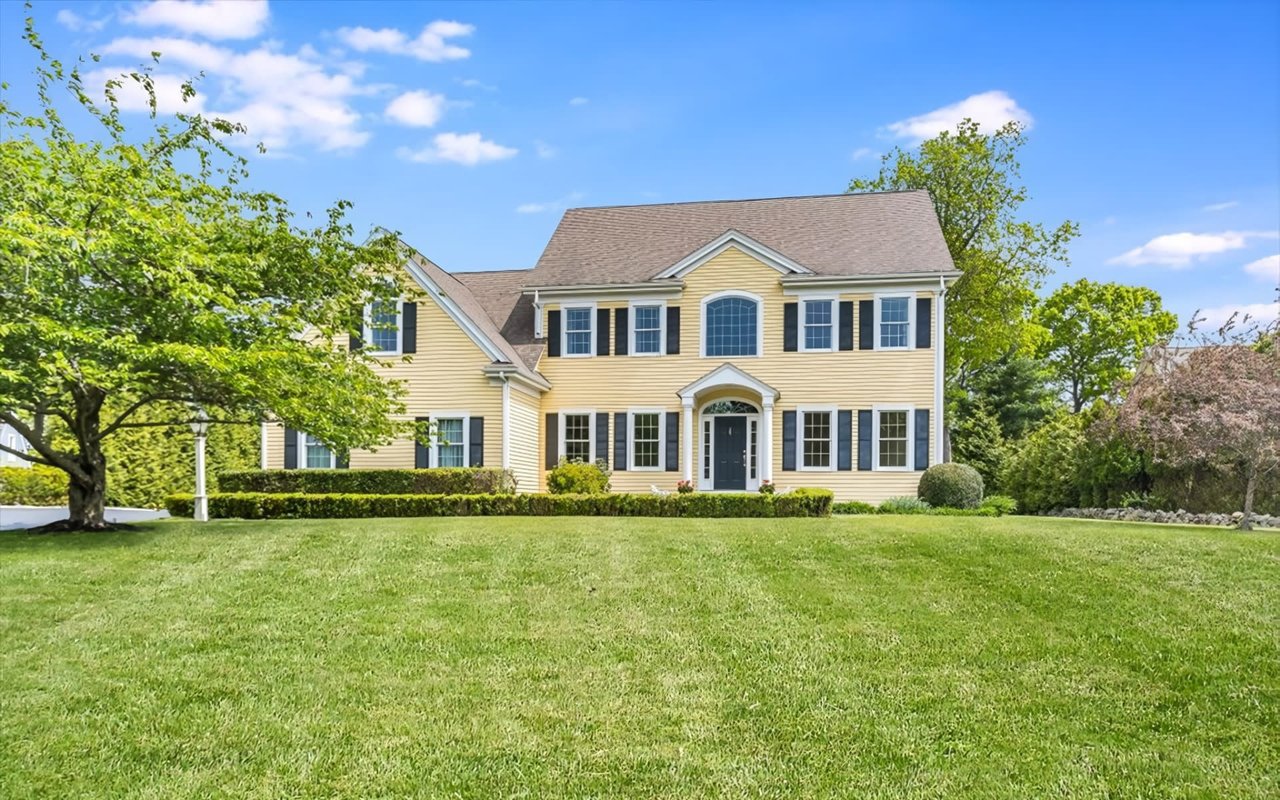
If you are thinking about selling in Marshfield, preparation can make the difference between a listing that feels overlooked and one that draws strong interest quickly. In a coastal market, buyers notice both the charm and the condition of a home right away, especially when outdoor spaces, maintenance, and timing all play a role. With the right plan, you can present your home in a way that fits how buyers shop in Marshfield today. Let’s dive in.
Why preparation matters in Marshfield
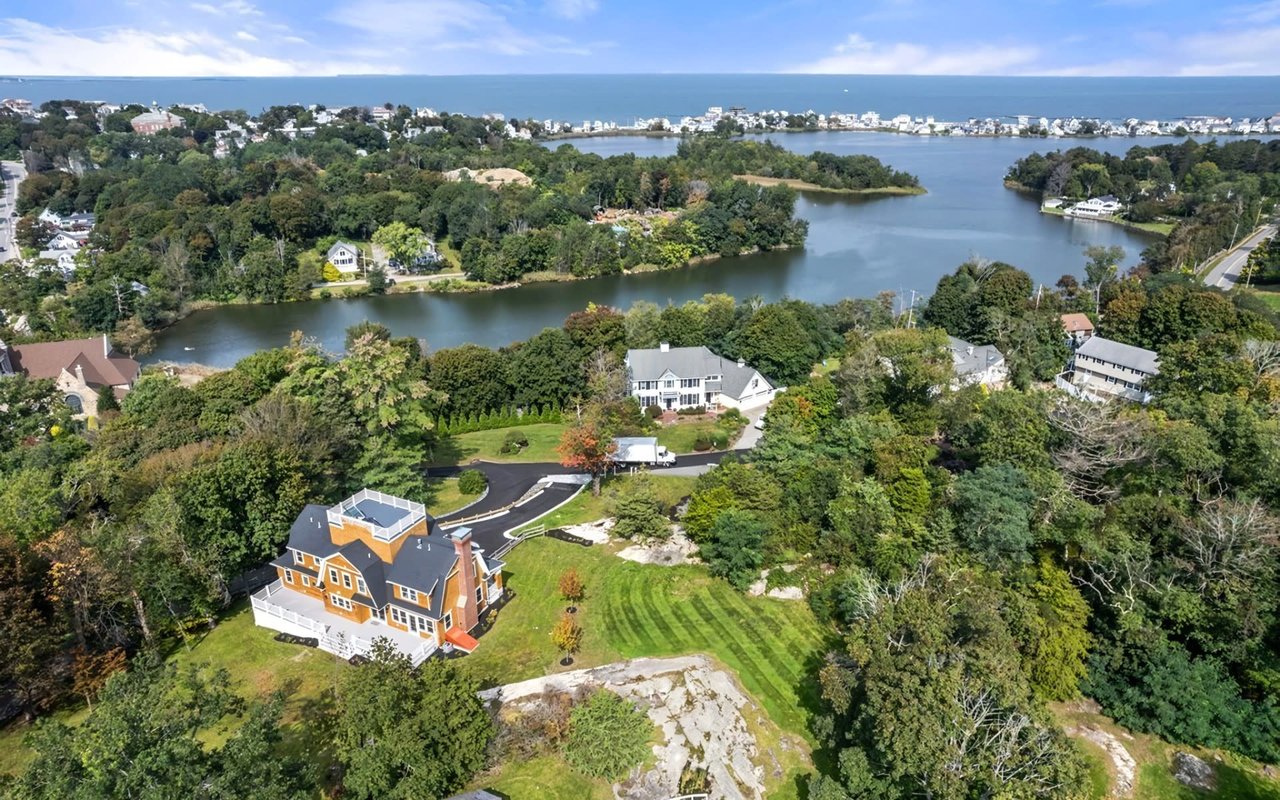
Marshfield is a coastal Plymouth County town about 29 to 30 miles southeast of Boston, with roughly 25,000 year-round residents and a much larger summer population. The town includes ten distinct villages or areas and is shaped by beaches, marshes, and tidal waterways. That setting gives sellers a real advantage, but it also means buyers tend to pay close attention to condition, upkeep, and how a home fits the local lifestyle.
Public market snapshots also point to a relatively fast-moving market. Recent figures from major housing platforms vary by methodology, but they all suggest homes are moving in a matter of days or weeks rather than months. In a market like that, your home does not need to be perfect, but it does need to feel ready.
Start with timing
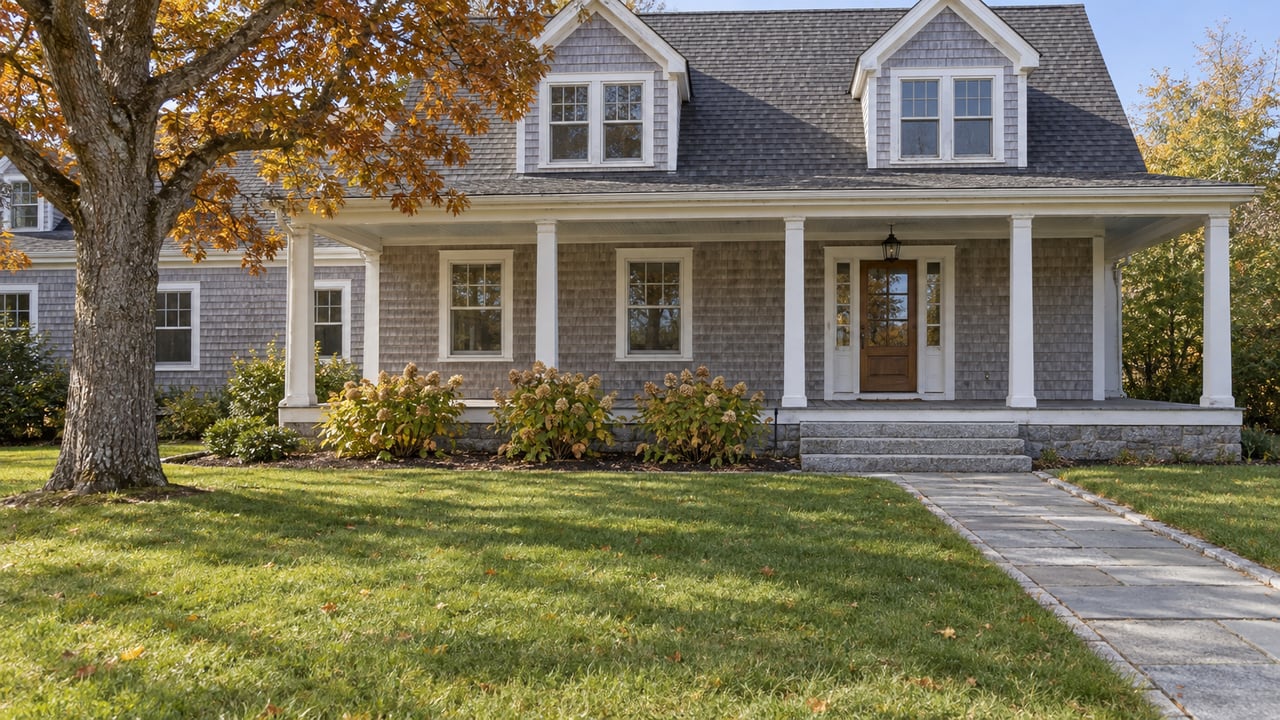
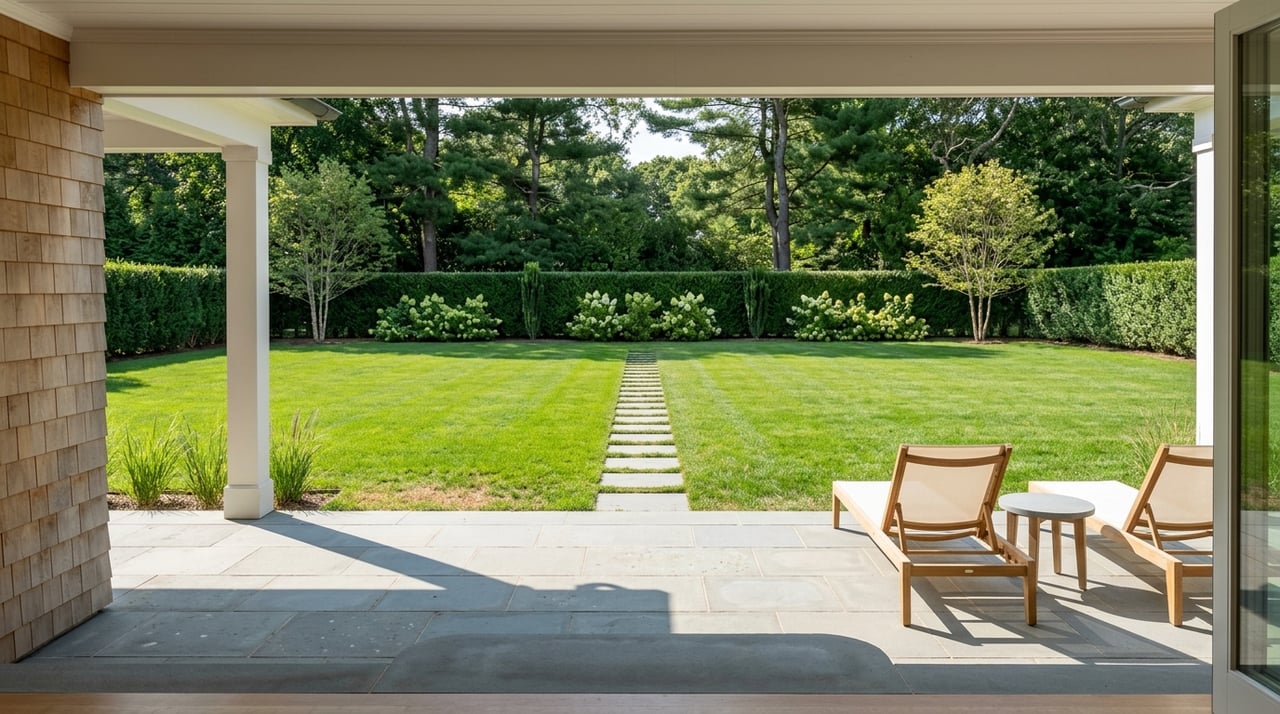
For many sellers, the strongest window to aim for is late spring. National timing studies cited in the research point to late April through May as a strong selling period, and that makes practical sense in Marshfield. Landscaping looks better, natural light improves, and patios, decks, and outdoor seating areas become easier to showcase.
That does not mean you should wait if your plans require a different timeline. It does mean you should start early if you want to list in that window. Deep cleaning, repairs, paint touch-ups, staging, and any required inspections often take longer than expected.
Focus on the basics first
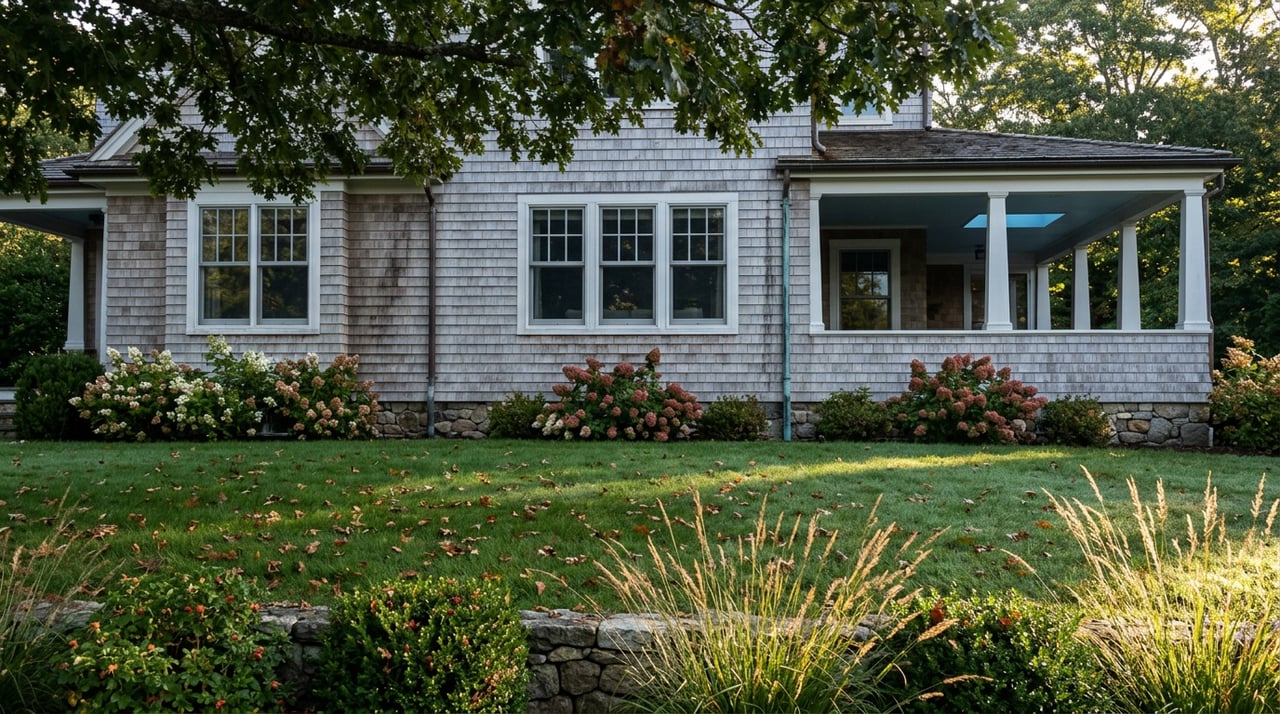
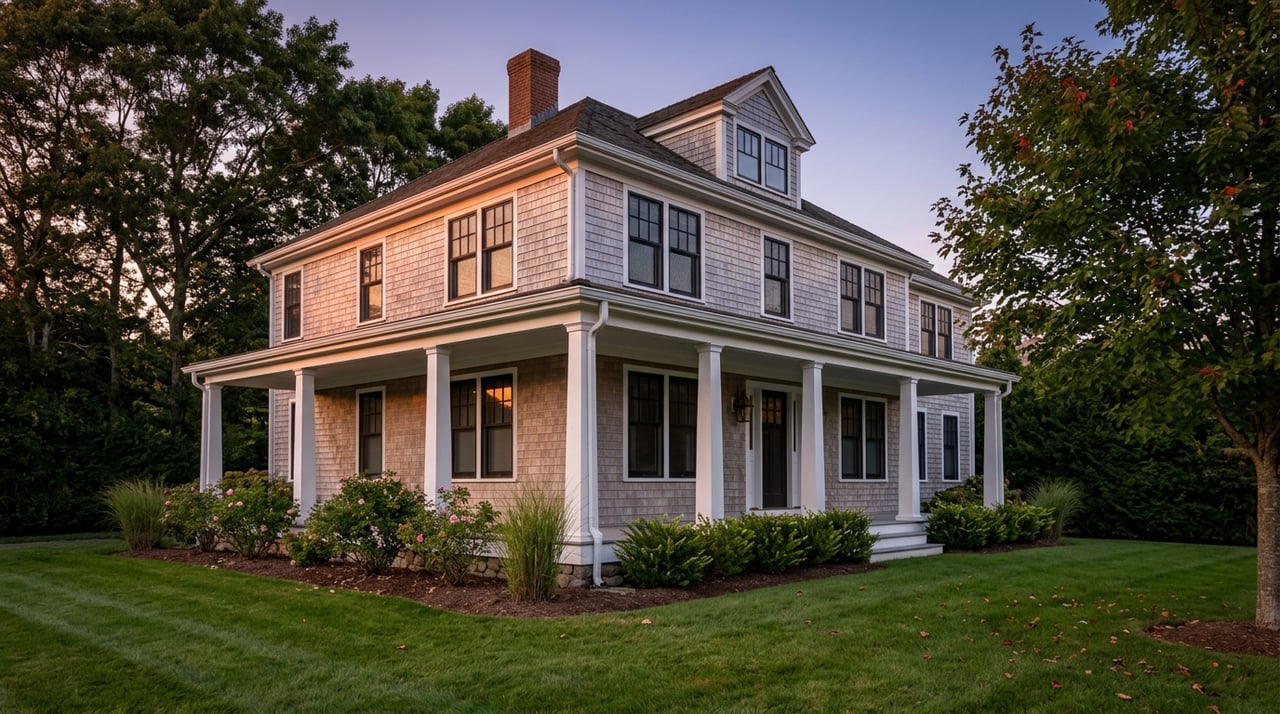
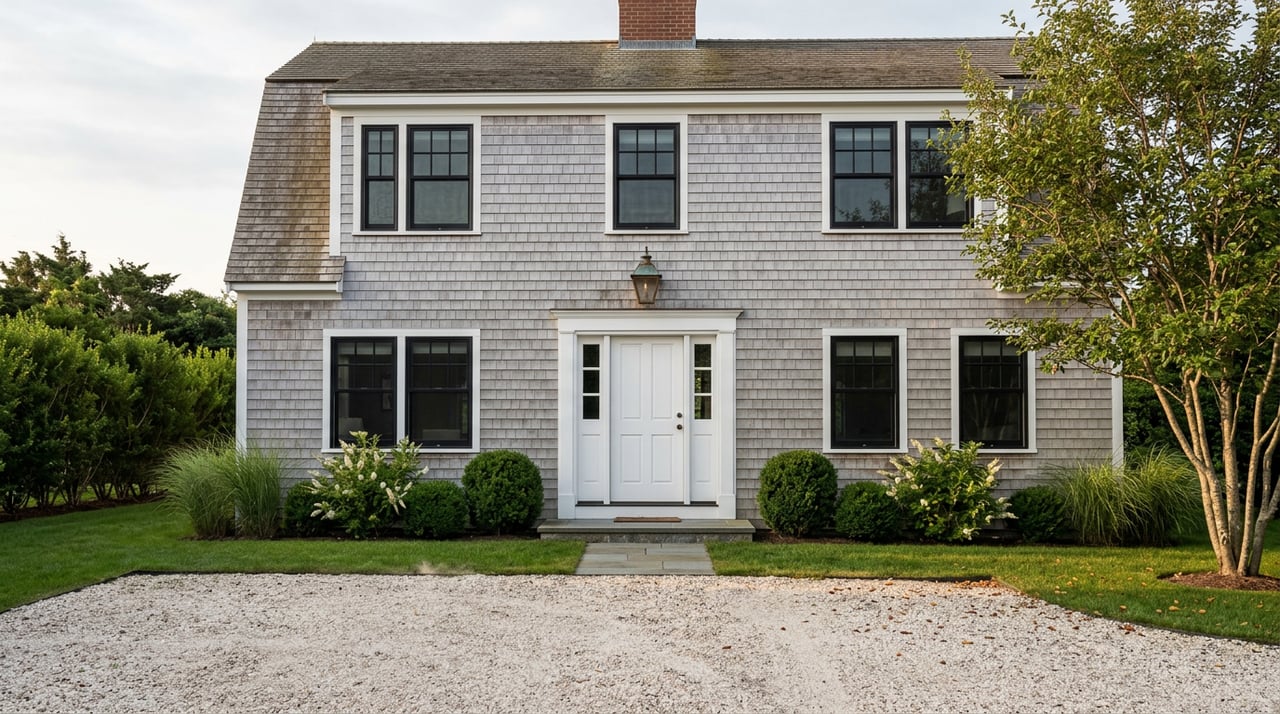
Before you think about expensive upgrades, handle the improvements that consistently matter most. The 2025 staging research cited in the report found that agents most often recommend decluttering, cleaning the entire home, and improving curb appeal. Those steps help buyers picture themselves in the space and can reduce distractions during showings.
A simple pre-listing plan often includes:
- Removing extra furniture and personal items
- Deep cleaning every room
- Organizing closets, cabinets, and storage areas
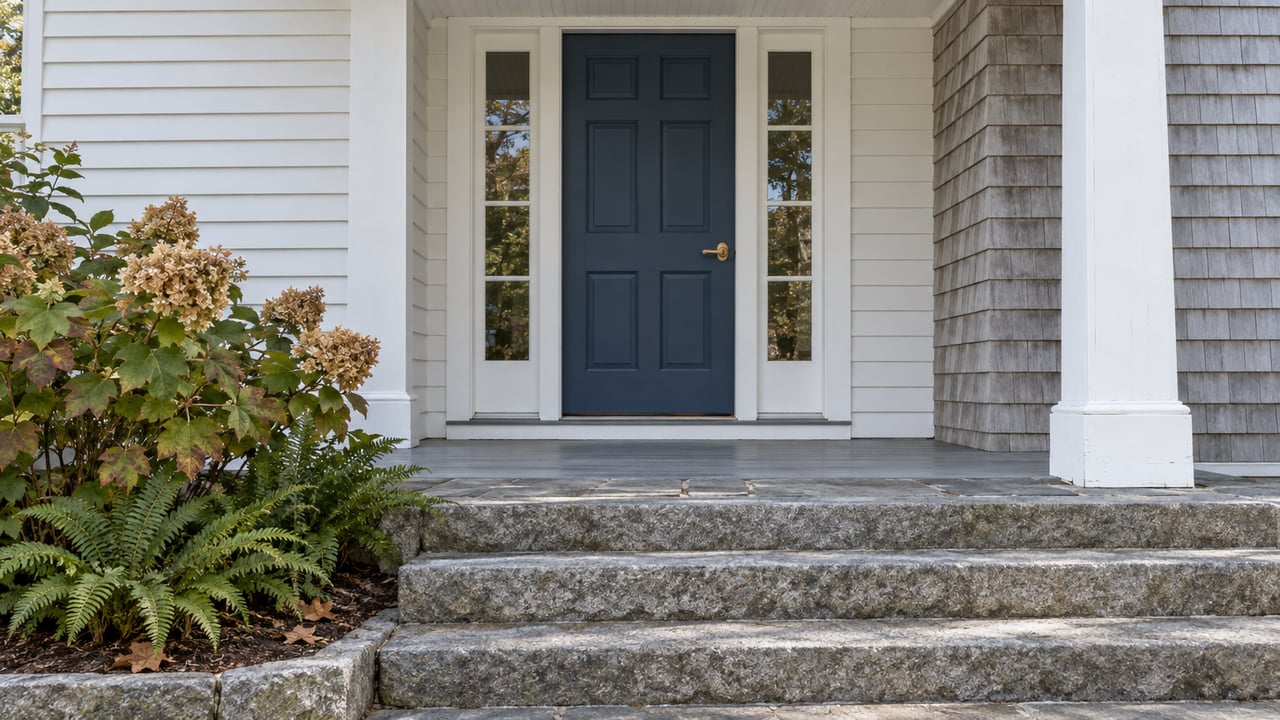
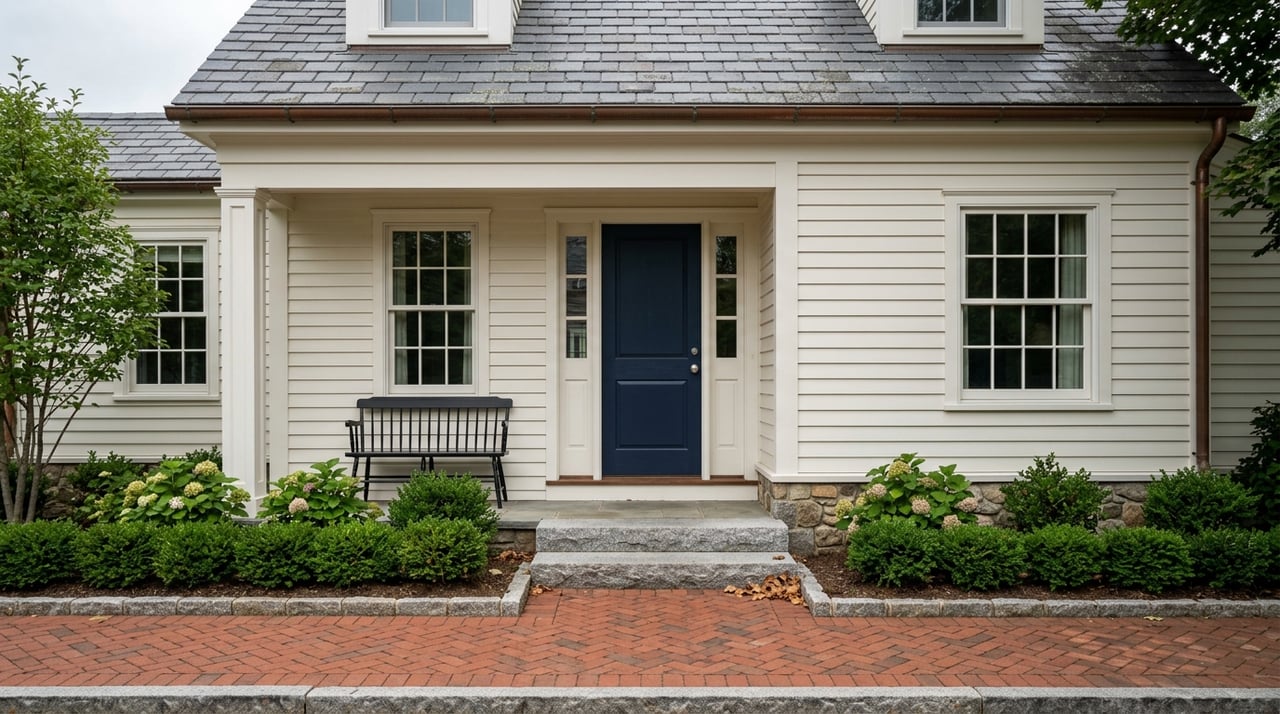
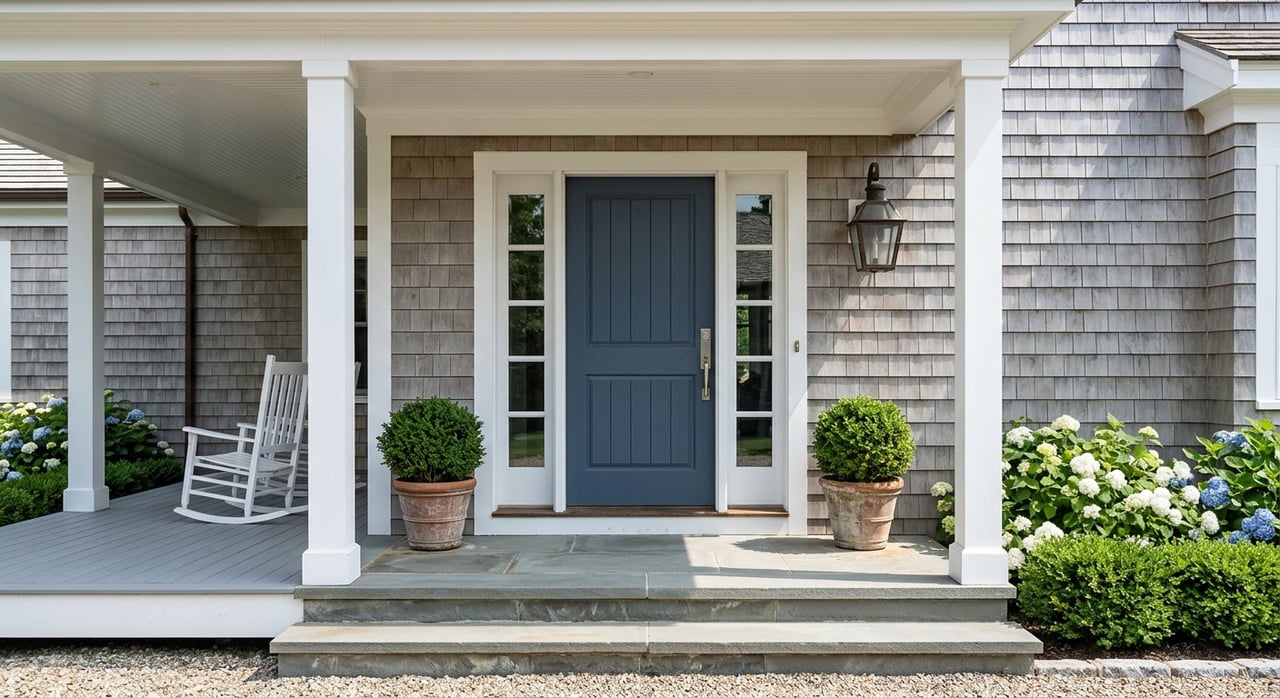
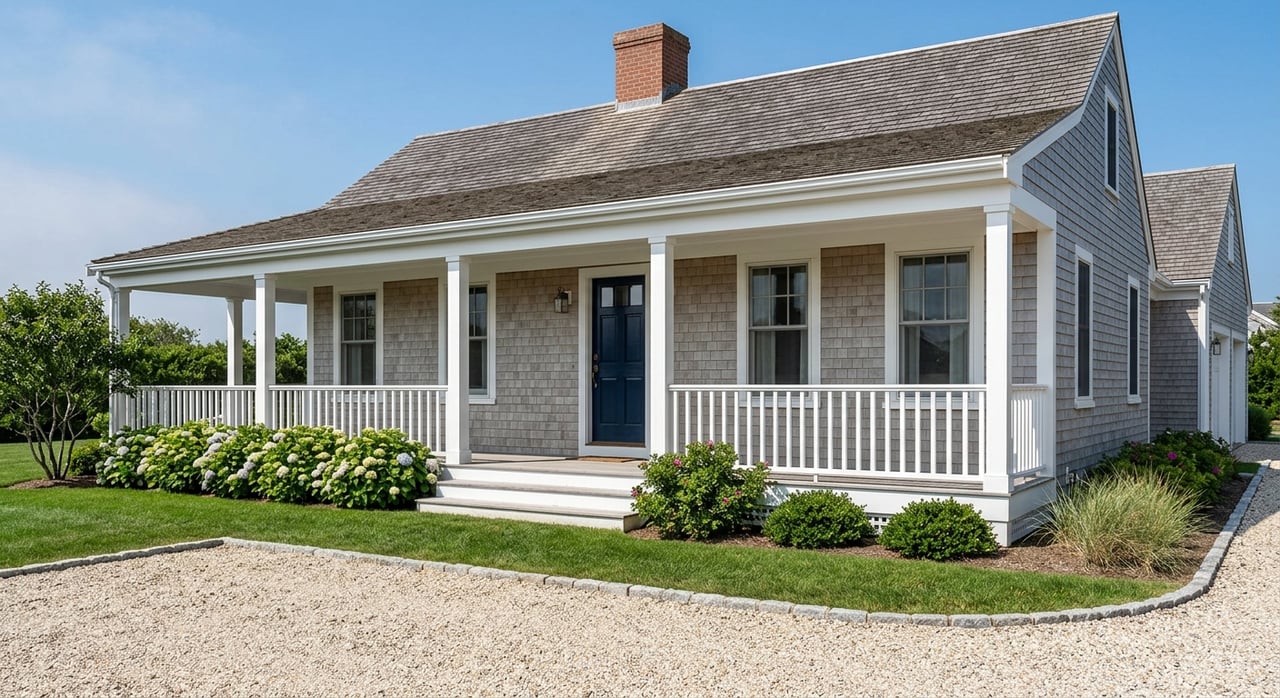
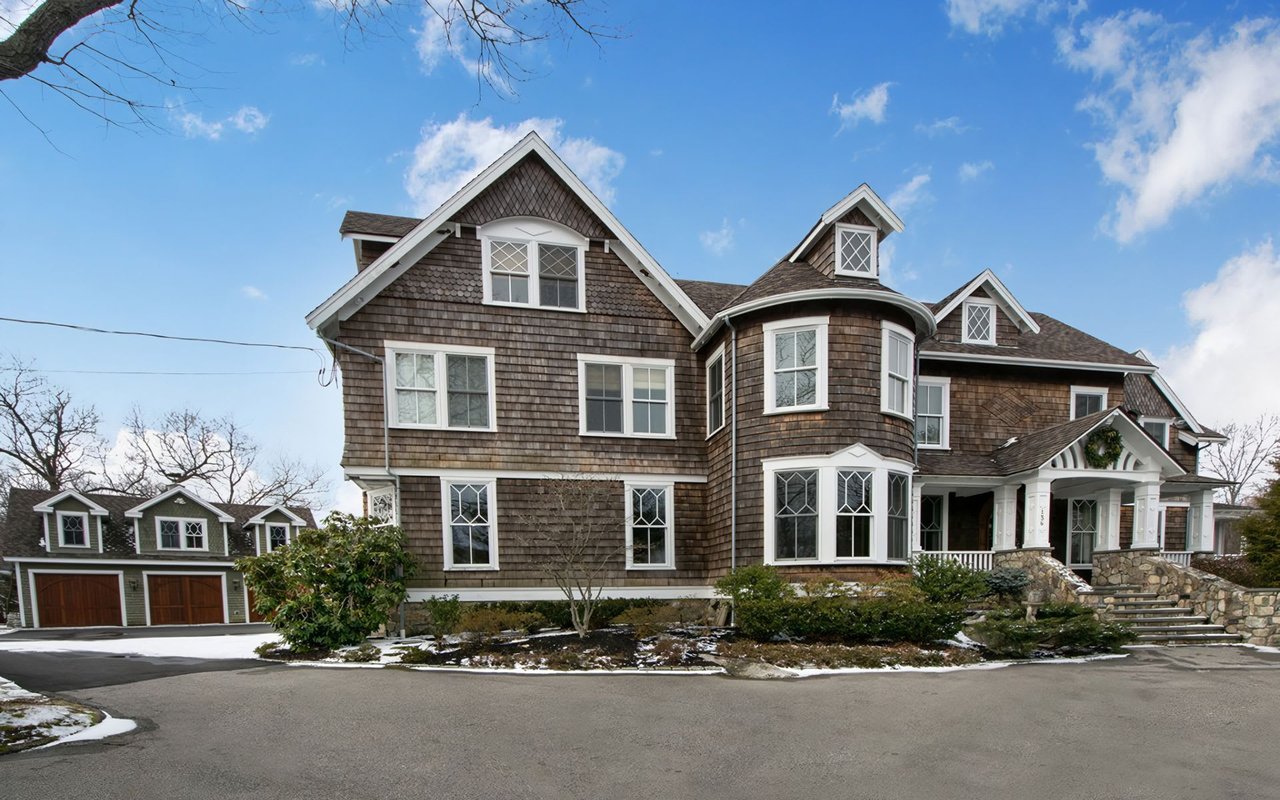
- Freshening mulch, walkways, and entry areas
- Touching up paint and small cosmetic wear
These basics create a cleaner first impression and help your home feel easier to maintain.
Prepare for coastal wear
In Marshfield, exterior condition carries extra weight because buyers understand the impact of salt air, storms, and seasonal weather. Town documents identify coastal flooding, erosion, hurricanes, tropical storms, and severe winter storms as major local hazards. The town also reports about 48.8 inches of rain annually and about 59 inches of snowfall, so buyers often notice whether a home appears well maintained against the elements.
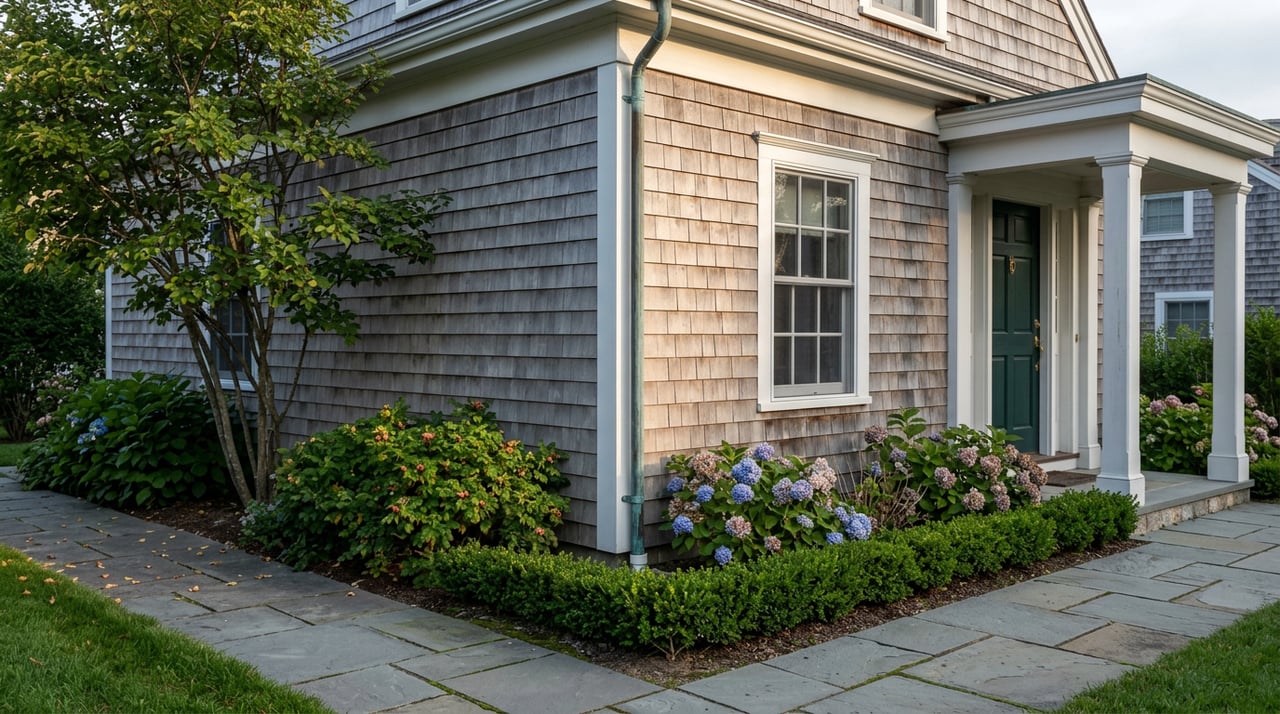
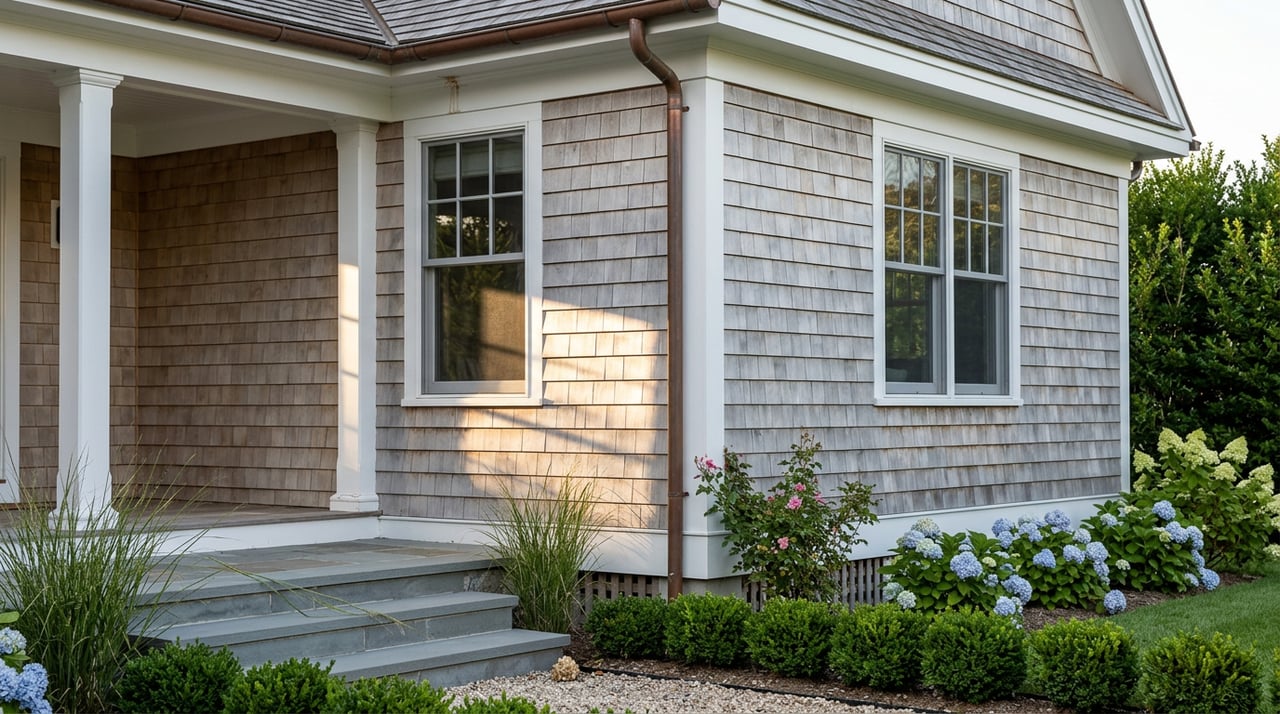
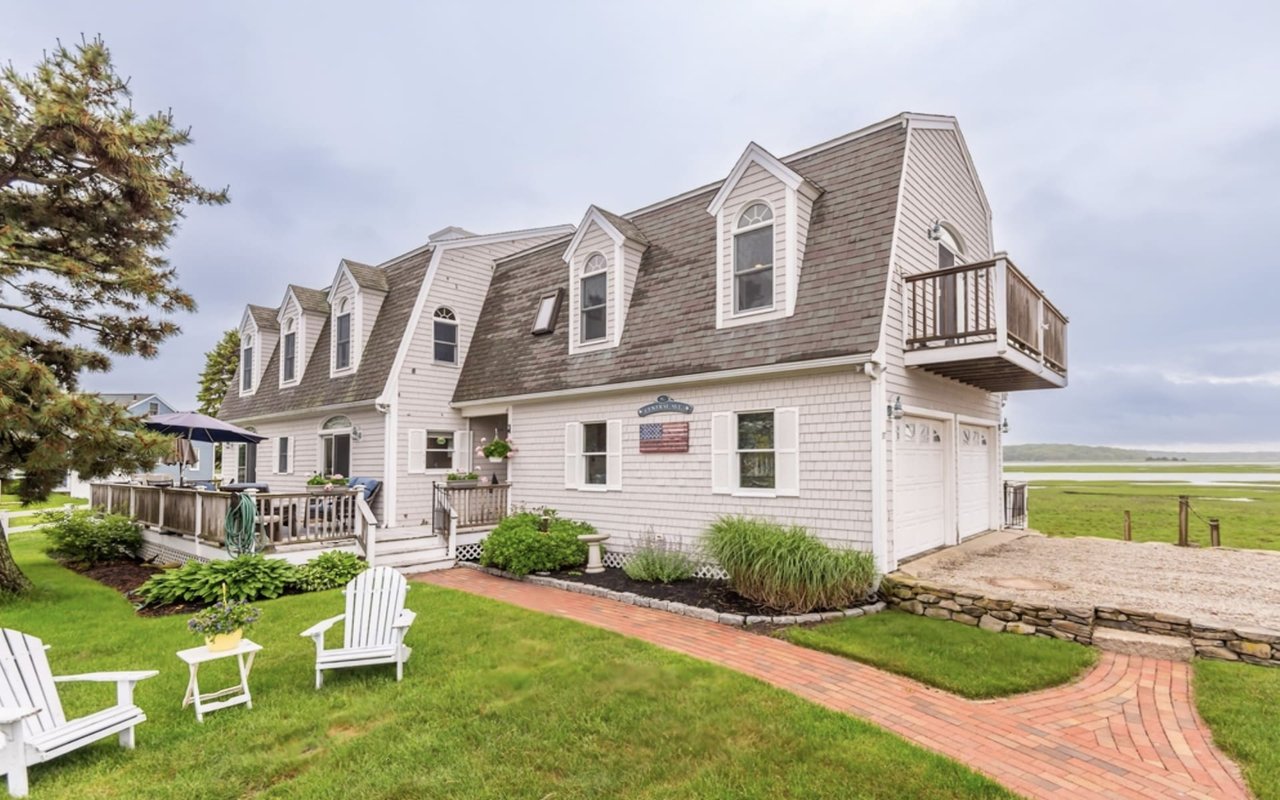
FEMA guidance cited in the research notes that coastal conditions can accelerate corrosion, especially on exposed metal. For sellers, that means it is worth walking the exterior with a careful eye. Rusted hardware, peeling paint, tired railings, and neglected gutters can make a home feel like a bigger project than it is.
What to check outside
A coastal exterior review should focus on visible maintenance and drainage. You want buyers to see a home that feels cared for, not one that raises questions.
Prioritize items like these:
- Touch up peeling or weathered paint
- Replace or clean rusted hardware where needed
- Check decks, railings, trim, and stairs for visible wear
- Clean gutters and downspouts
- Make sure splash areas and grading look well managed
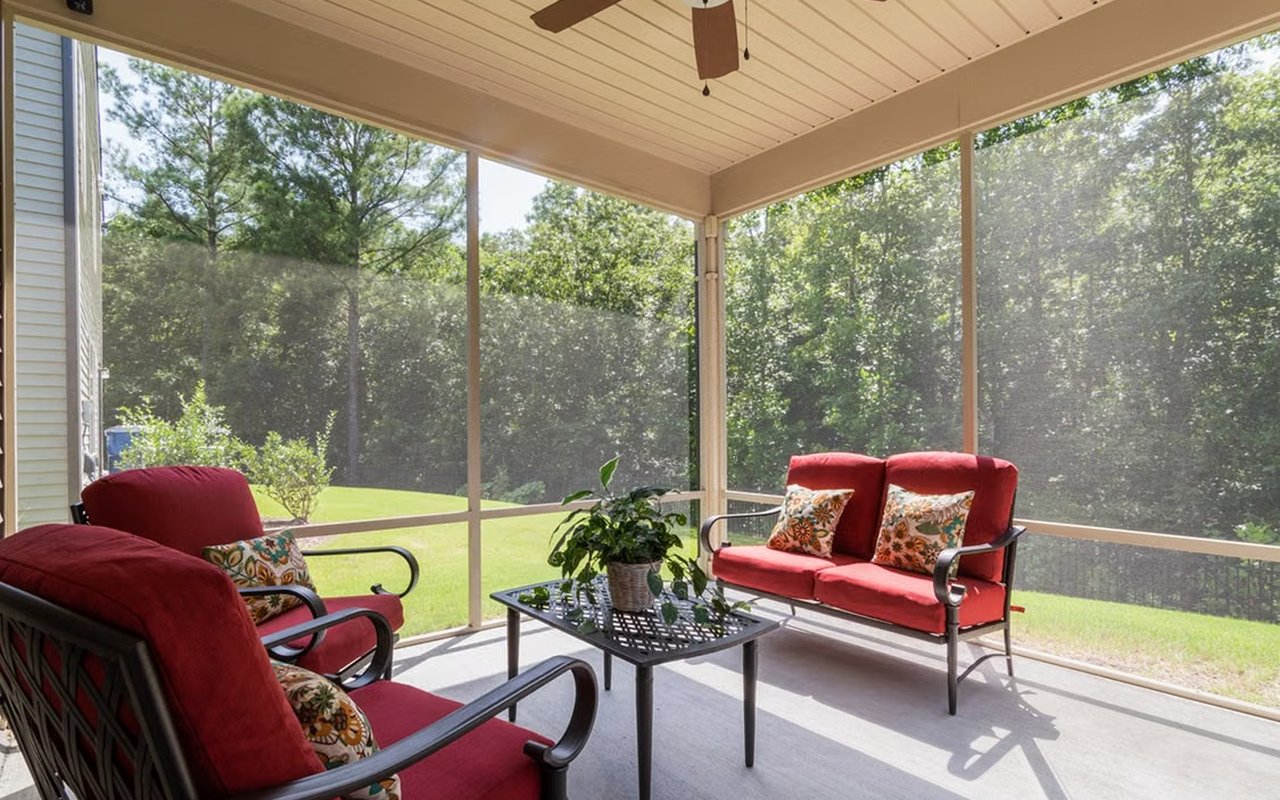
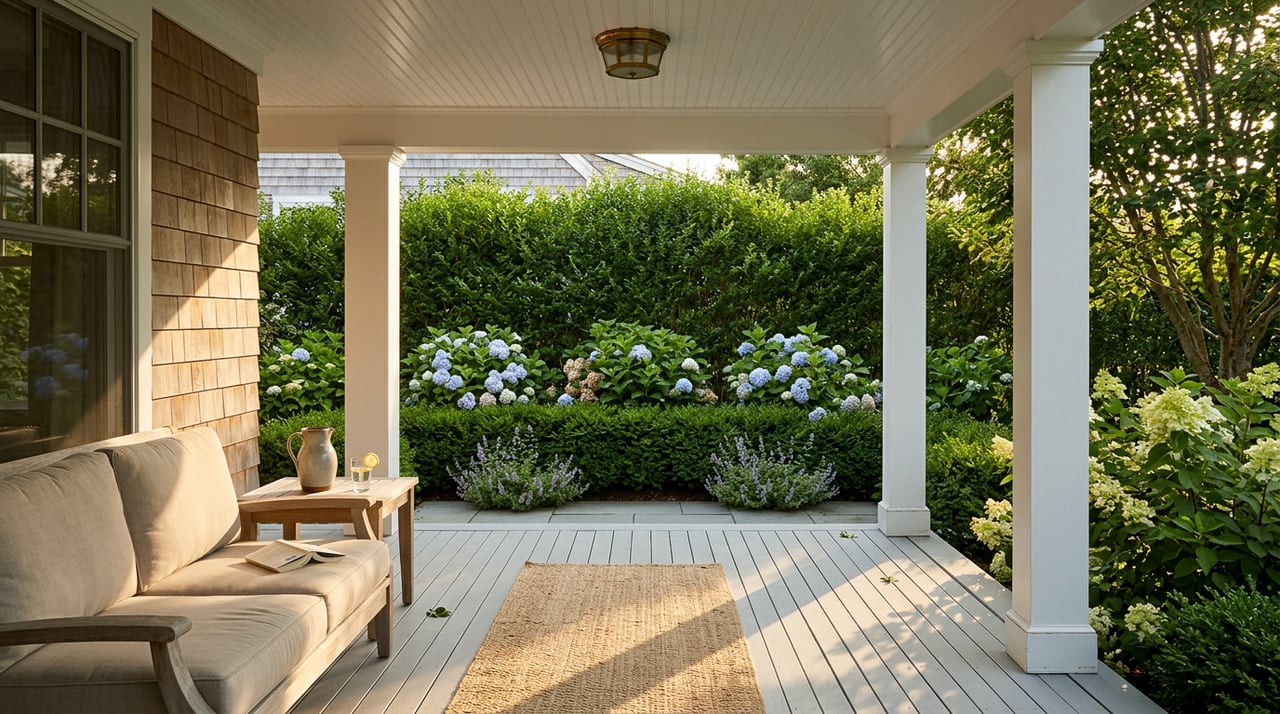
- Tidy outdoor seating or entertaining spaces
If your home is near the beach or in one of Marshfield’s more lifestyle-driven coastal pockets, these details become part of the overall story of the property.
Make the interior feel easy to live in
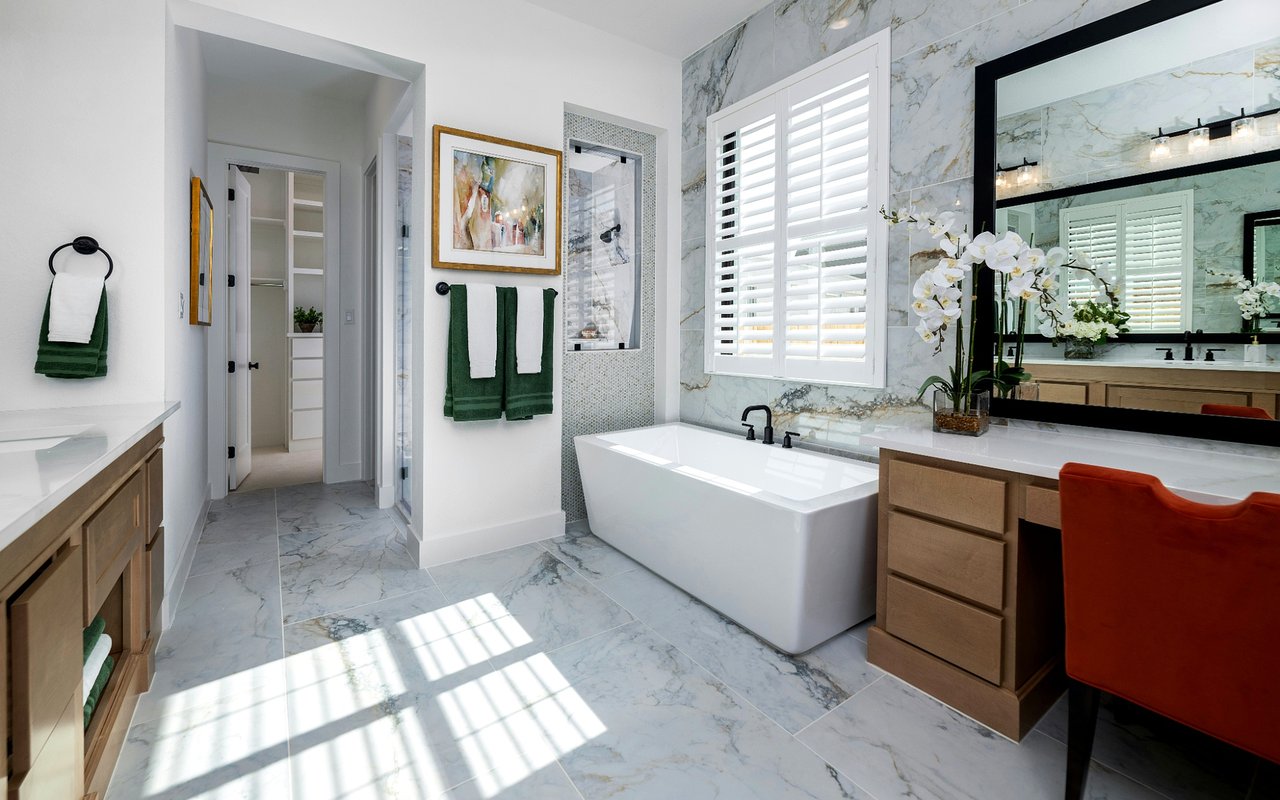
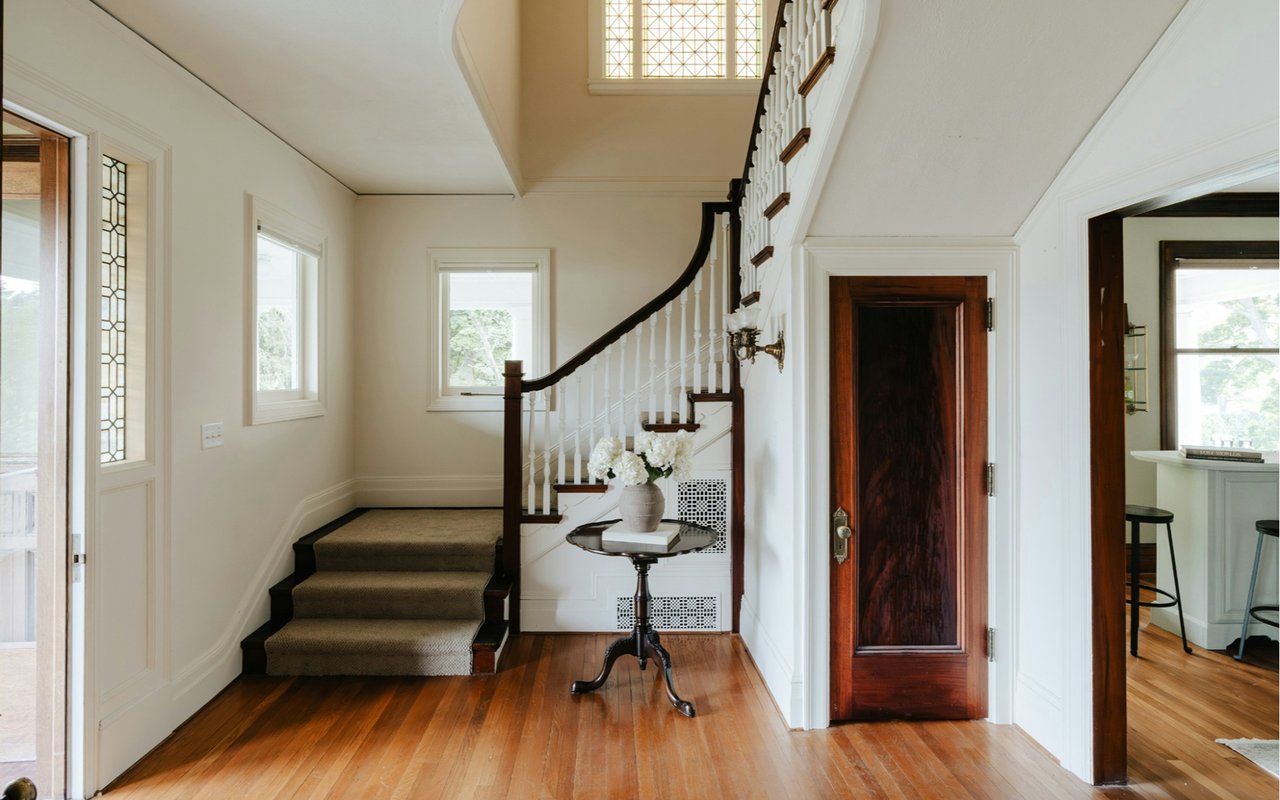
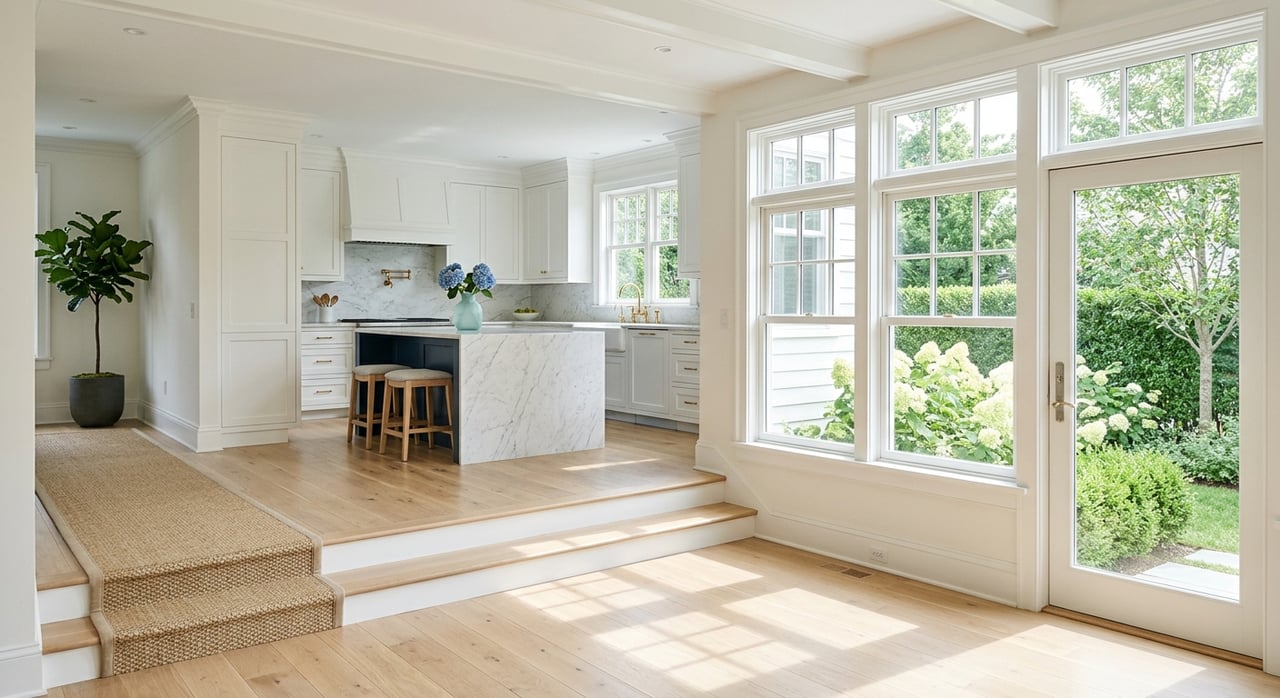
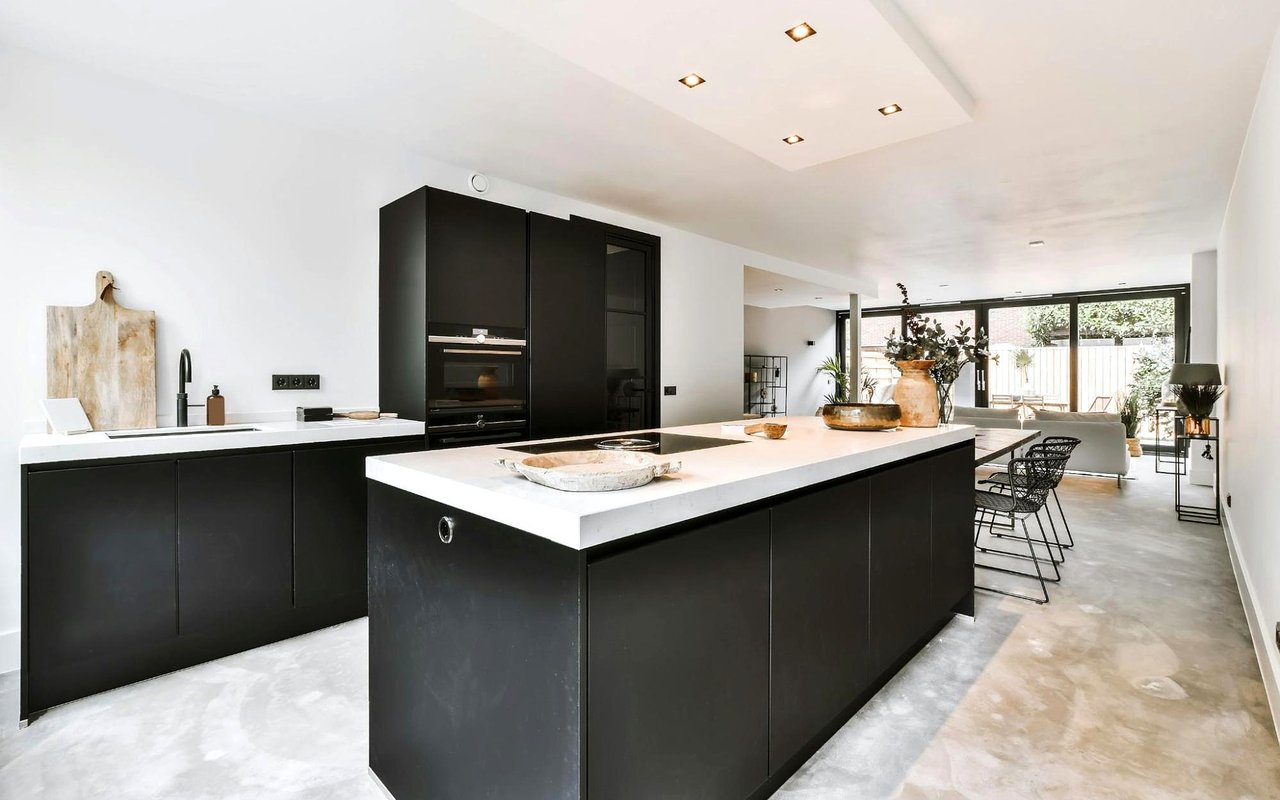
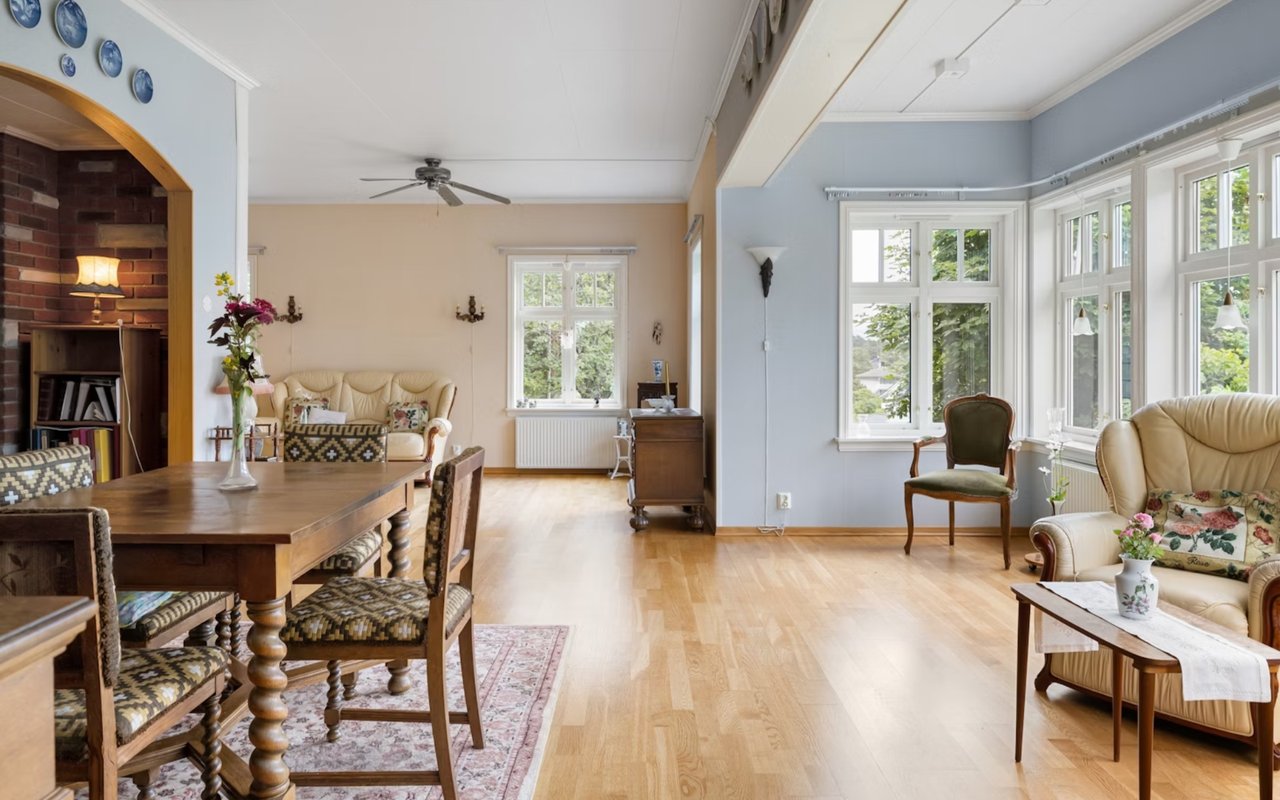
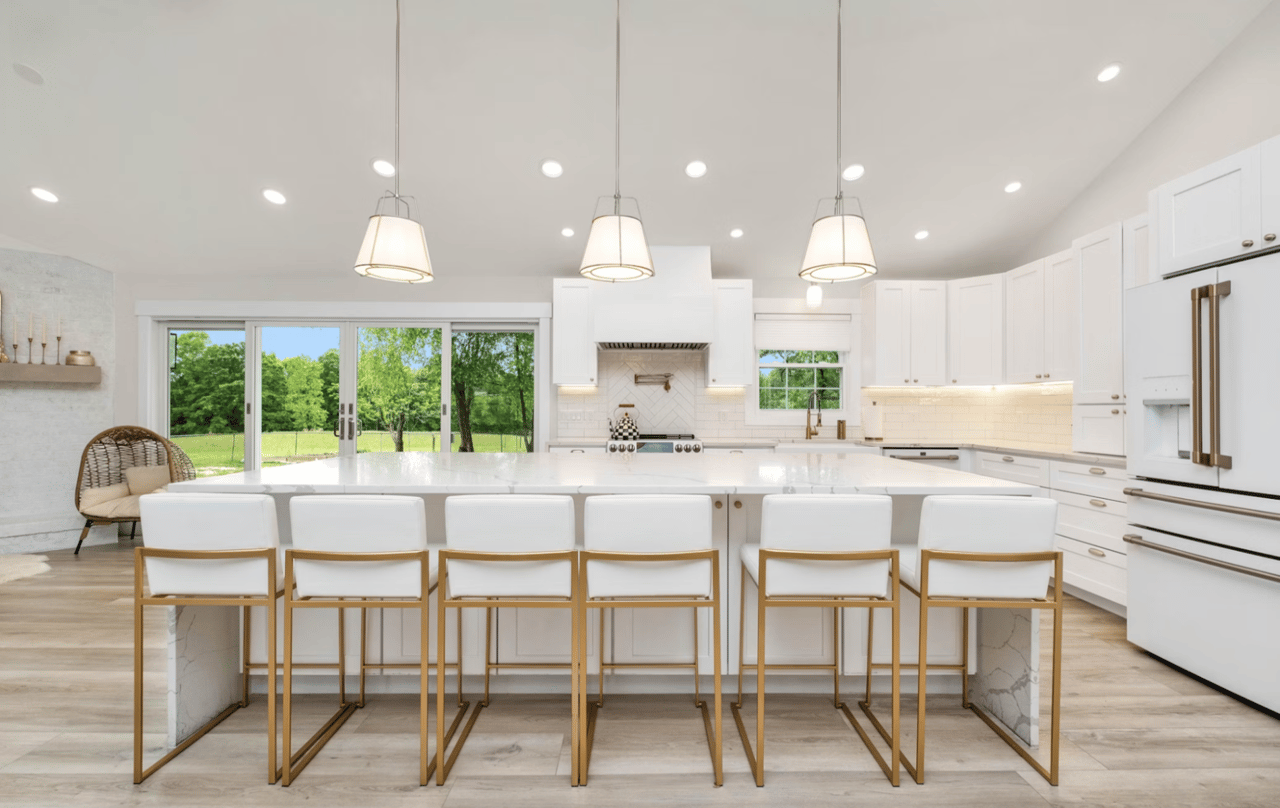
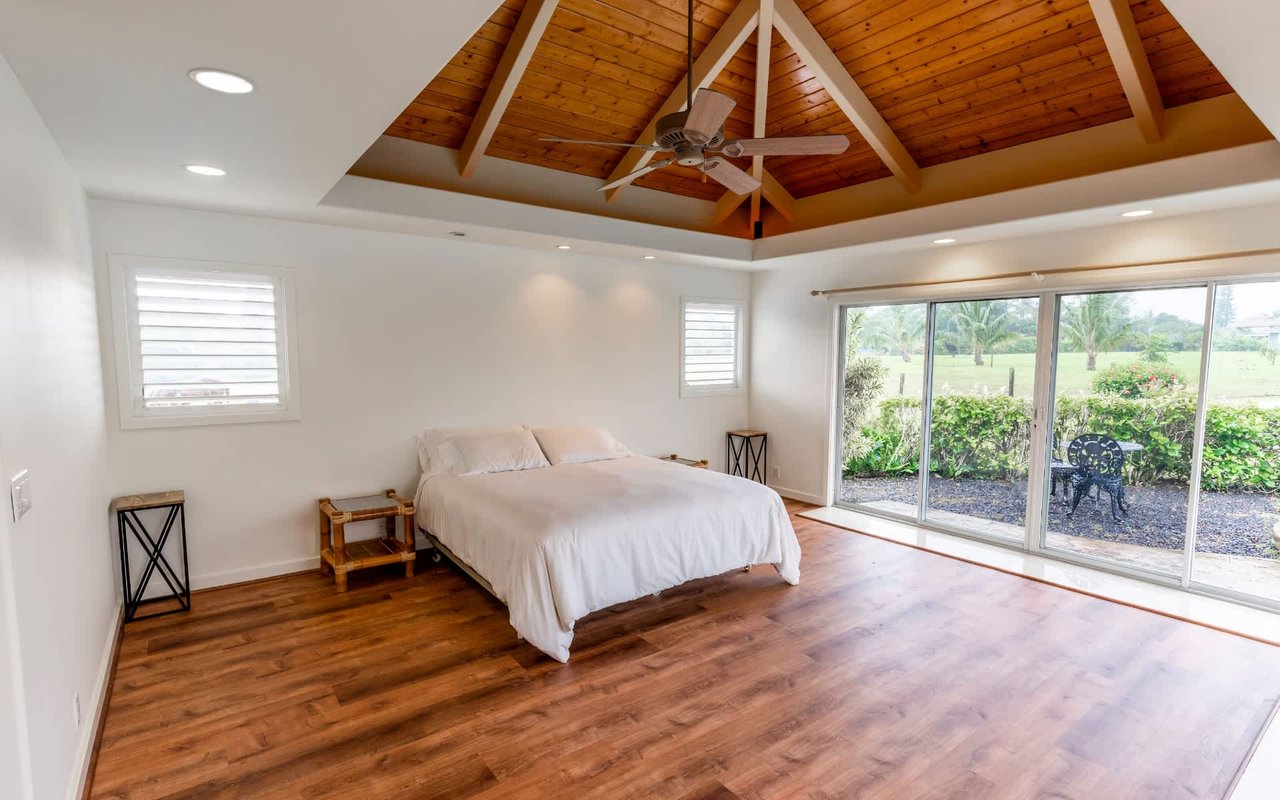
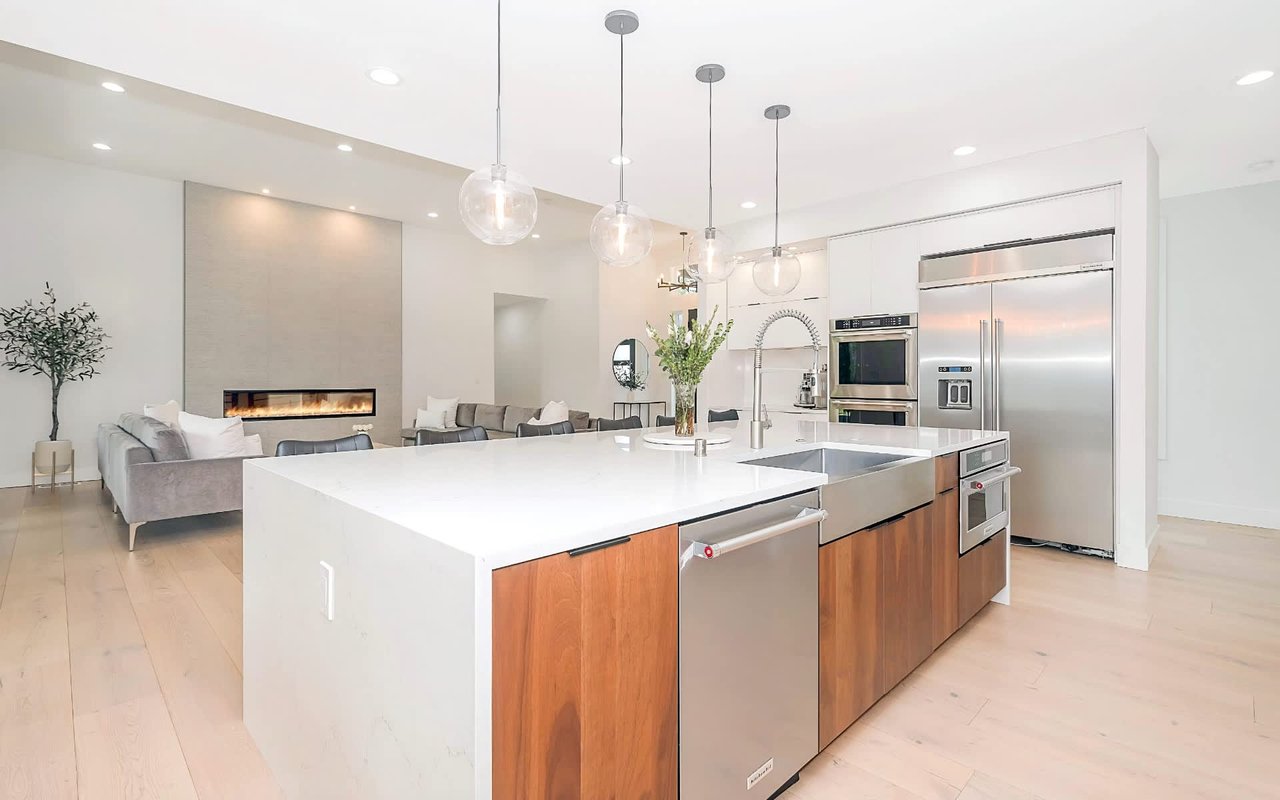
Inside, buyers usually respond well to bright, simple spaces with clear function. That is especially true in a town like Marshfield, where homes may appeal to year-round residents, summer users, or buyers who want a flexible coastal property. Clean sightlines and visible storage can help your home feel practical as well as attractive.
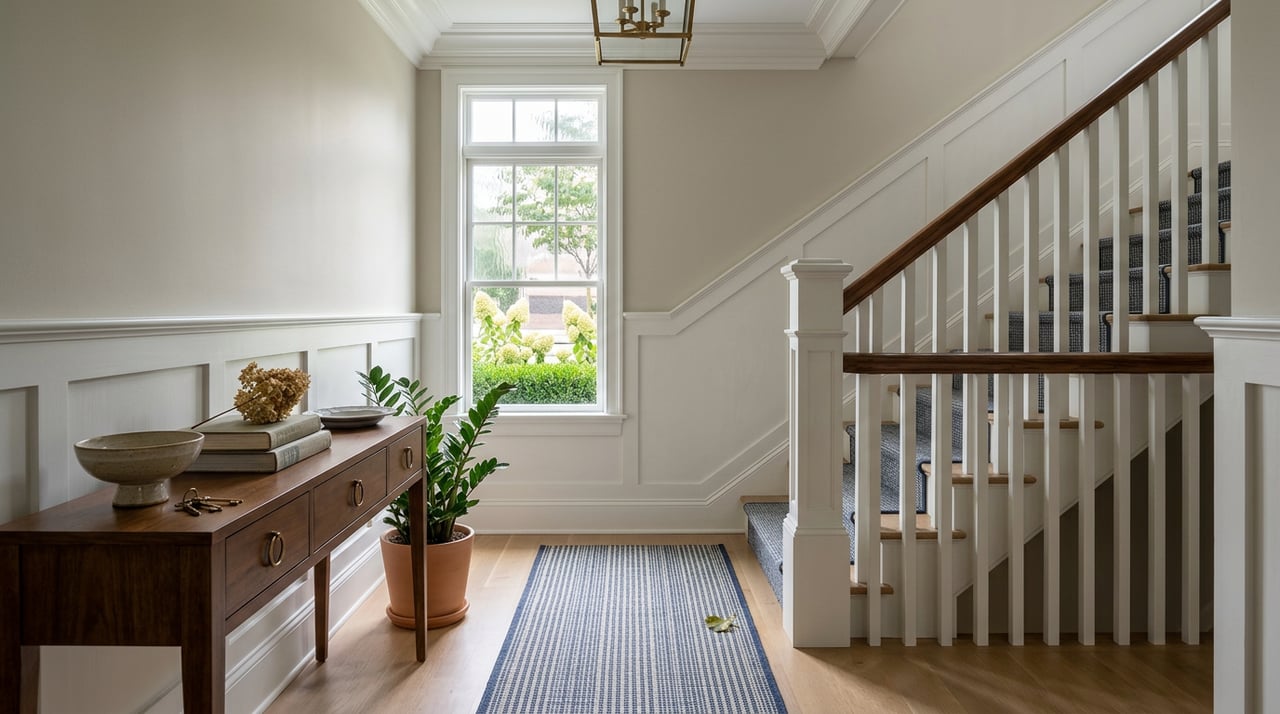
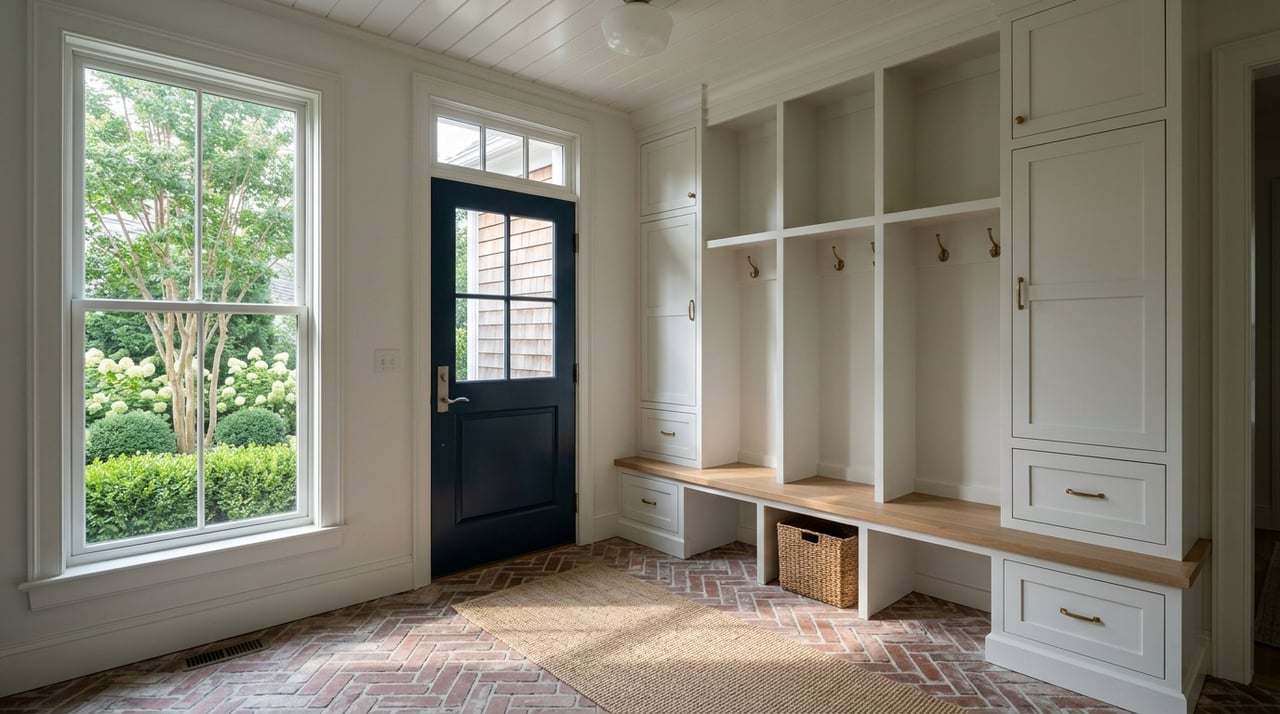
Try to make each room obvious in its purpose. A spare room should read clearly as an office, guest room, or den rather than a catch-all storage area. Mudrooms, entry spaces, and storage zones deserve special attention because they help buyers picture the reality of daily life near the coast.
Tailor your prep to your location
Marshfield’s setting is not one-size-fits-all. The town identifies areas including North Marshfield, Marshfield Hills, Seaview, West Marshfield, Downtown, Rexhame, Fieldston, Ocean Bluff, Brant Rock, and Green Harbor. Some areas feel more year-round and practical in character, while others carry a stronger beach-oriented identity shaped by small lots and seasonal roots.
If your home is in a more inland or year-round area, practical updates often go furthest. Neutral paint, repaired fixtures, clean flooring, and organized storage help the home feel functional and move-in ready. Buyers want to understand how the house works day to day.
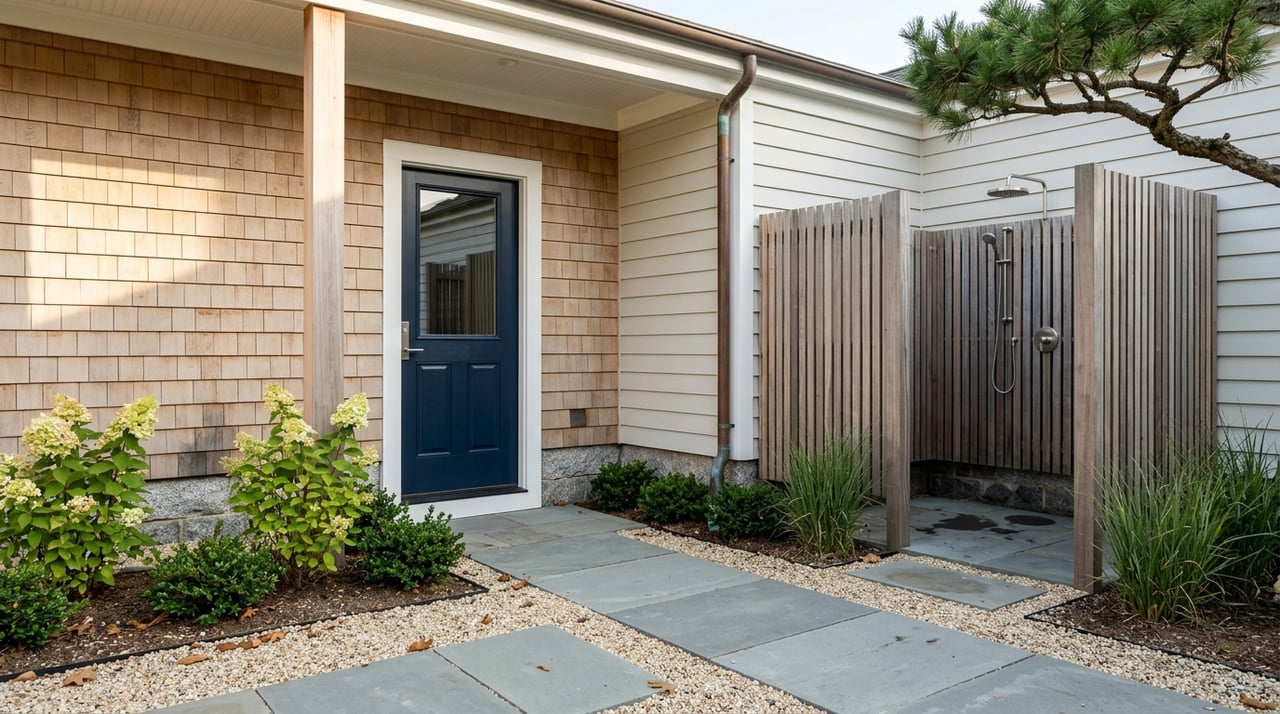
If your home is in a more beach-oriented pocket, presentation may lean more into lifestyle and durability. Outdoor living, easy-maintenance finishes, polished entry areas, and a home that feels ready for sandy feet and seasonal use can resonate well. The goal is not to over-theme the property, but to make it feel effortless and well cared for.
Know the compliance items early
Some of the most important pre-listing tasks are not cosmetic. In Massachusetts, septic and lead paint rules can affect your timeline if they apply to your property.
If your home uses septic, review Title 5 inspection requirements early. Massachusetts guidance allows for certain exceptions and limited post-transfer timing when weather prevents inspection, but sellers should not leave this until the last minute. Early planning can help avoid contract delays.
If your home was built before 1978, make sure lead-paint disclosure requirements are addressed. You should also plan any repair work with lead-safe practices in mind where needed. These steps may seem administrative, but they can shape how smoothly your sale moves forward.
Be careful with major renovations
Not every pre-sale project is worth doing, especially near the coast. If you are considering substantial work before listing, check flood-zone implications first. Marshfield’s policy notes that substantial improvement rules can trigger full floodplain code compliance when project costs reach certain thresholds relative to the structure’s market value.
That means a renovation that looks simple on paper may become more complex once local floodplain rules are considered. Before committing to larger projects, it is smart to confirm whether the property sits in a flood zone or another coastal constraint area. In many cases, a focused preparation plan delivers better results than an ambitious renovation timeline.
A practical Marshfield seller checklist
If you want a clear path to market, start here:
- Confirm whether your property is in a flood zone before major work begins
- Verify septic status and Title 5 timing if the home uses septic
- Prepare lead-paint disclosure paperwork if the home was built before 1978
- Declutter and deep clean before spending on cosmetic extras
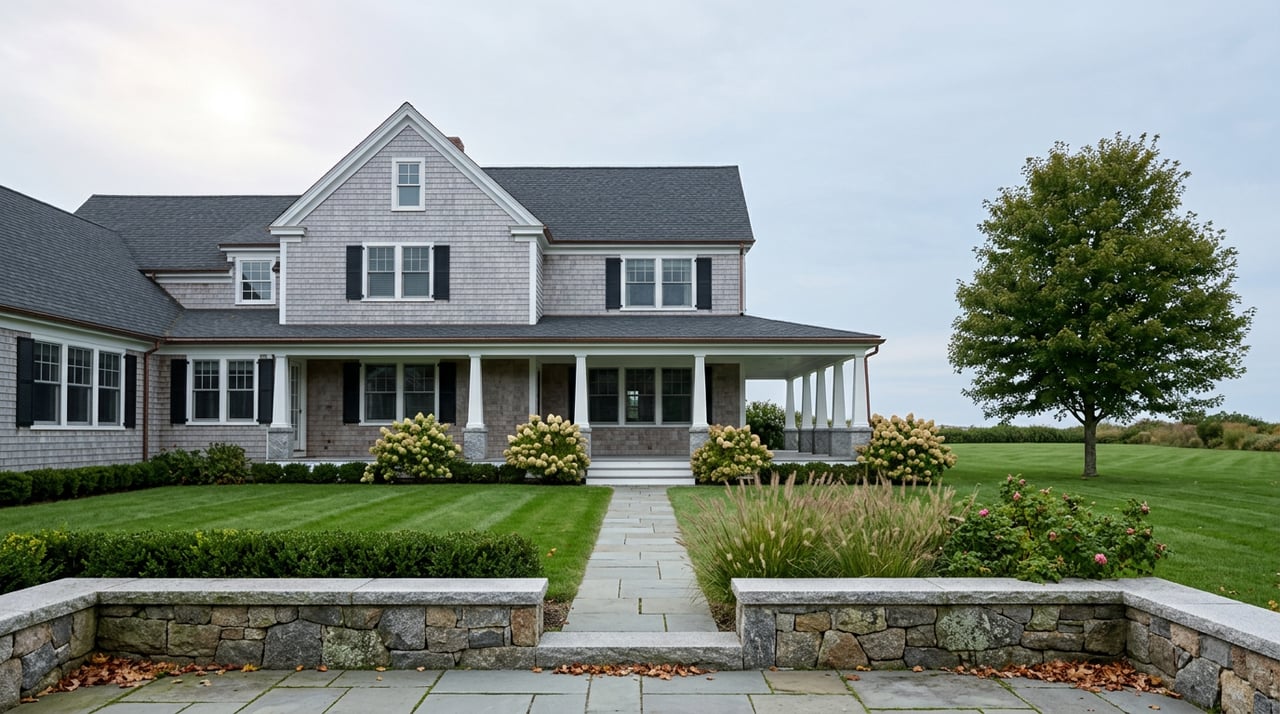
- Improve curb appeal with attention to entry, trim, drainage, and outdoor areas
- Stage key spaces to highlight storage, flow, and everyday coastal living
- Aim for market readiness by late spring if timing allows
A thoughtful checklist helps you stay focused on what actually supports a successful sale.
Think like a buyer
When buyers walk into a Marshfield home, they are often evaluating more than square footage. They are also taking in maintenance, seasonal usability, exterior condition, and how the home fits either year-round living or a coastal getaway rhythm. Small signals matter.
That is why the best preparation work usually reduces friction. When a home feels clean, bright, maintained, and easy to understand, buyers spend less time calculating future work and more time imagining themselves there. That shift can make a meaningful difference when your home hits the market.
If you are getting ready to sell in Marshfield, careful preparation and local market judgment go hand in hand. For tailored guidance on timing, presentation, and positioning your home for today’s South Shore buyers, connect with Frank Neer.
FAQs
What should Marshfield sellers do first before listing a home?
- Start with decluttering, deep cleaning, and curb appeal improvements, then review any property-specific items like septic, lead-paint disclosure, or flood-zone considerations.
When is the best time to list a home in Marshfield?
- Late spring is often a strong target because national timing studies point to late April through May, and that timing helps Marshfield homes show well with stronger light, landscaping, and outdoor spaces.
How should coastal homes in Marshfield be prepared for sale?
- Focus on visible exterior maintenance such as paint touch-ups, railings, gutters, drainage, and rusted hardware so the home feels well cared for in a coastal environment.
Do Marshfield homes with septic need special planning before sale?
- Yes. If your property uses septic, you should verify Massachusetts Title 5 inspection requirements and timing early so the transaction stays on track.
What if a Marshfield home was built before 1978?
- If the home was built before 1978, sellers should complete lead-paint disclosure requirements and plan any needed repair work with lead-safe practices in mind.
Should Marshfield sellers renovate before listing?
- Not always. In some cases, basic preparation offers a better return than major work, especially if flood-zone or substantial-improvement rules could add complexity to a renovation.