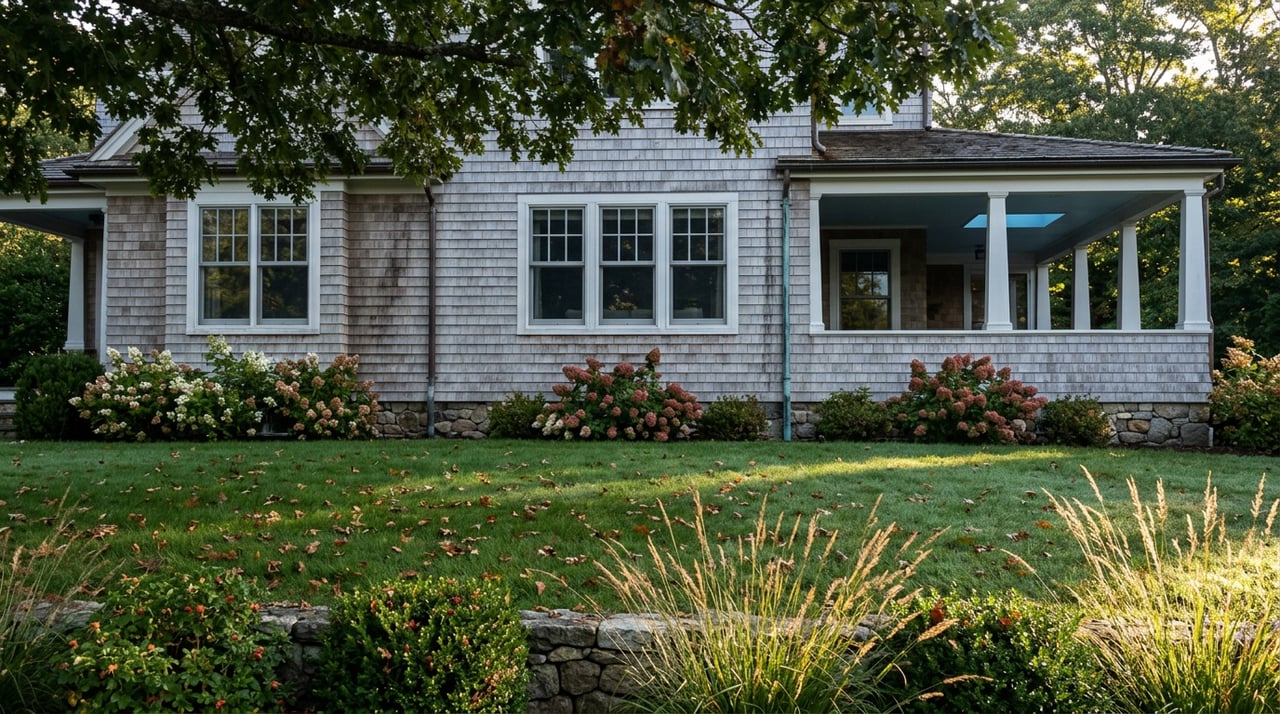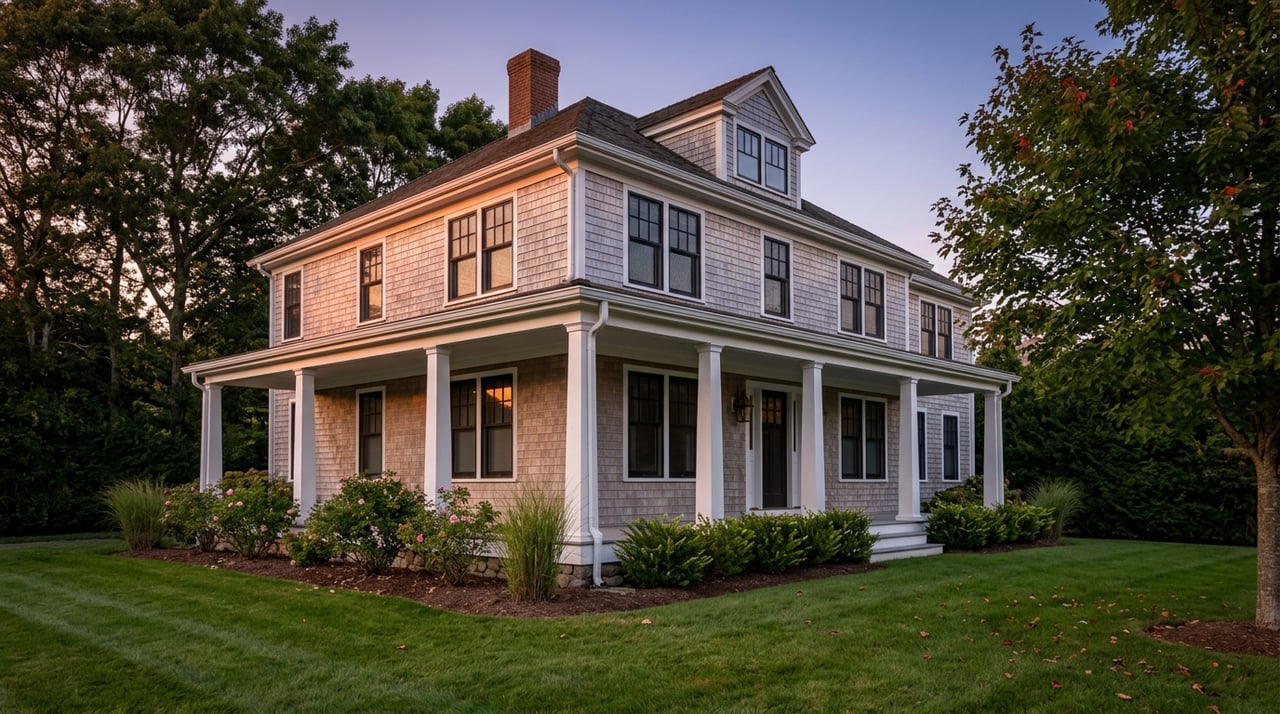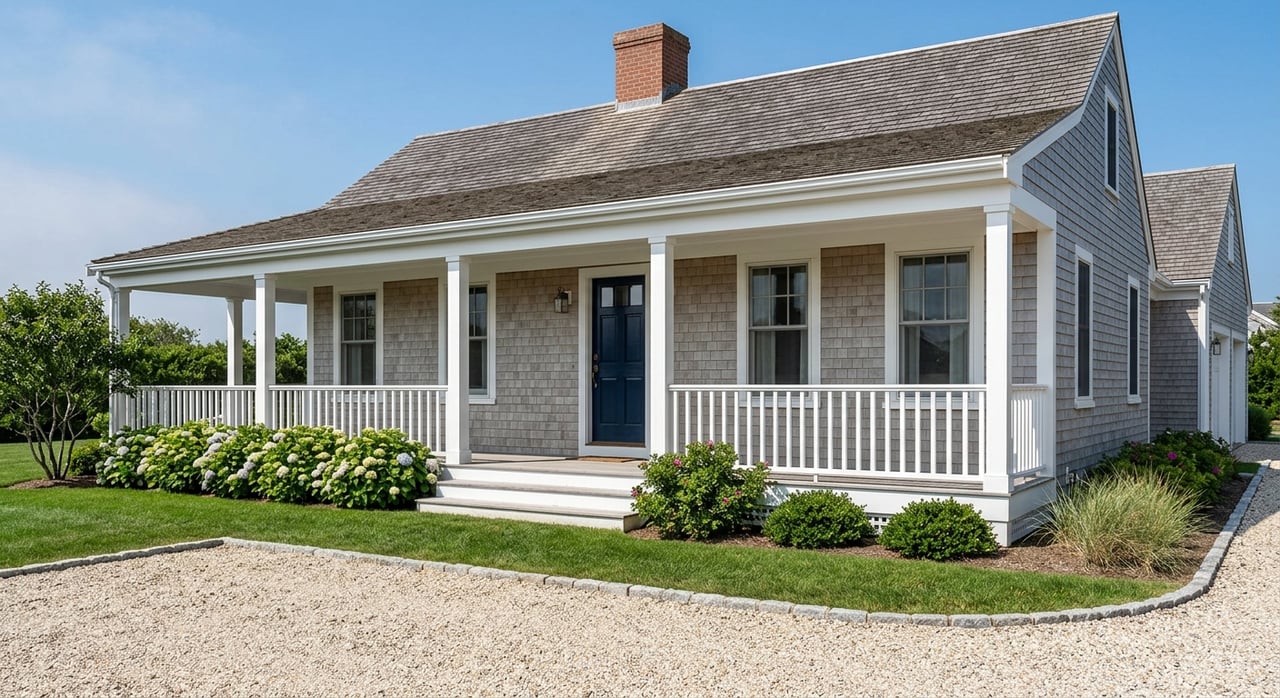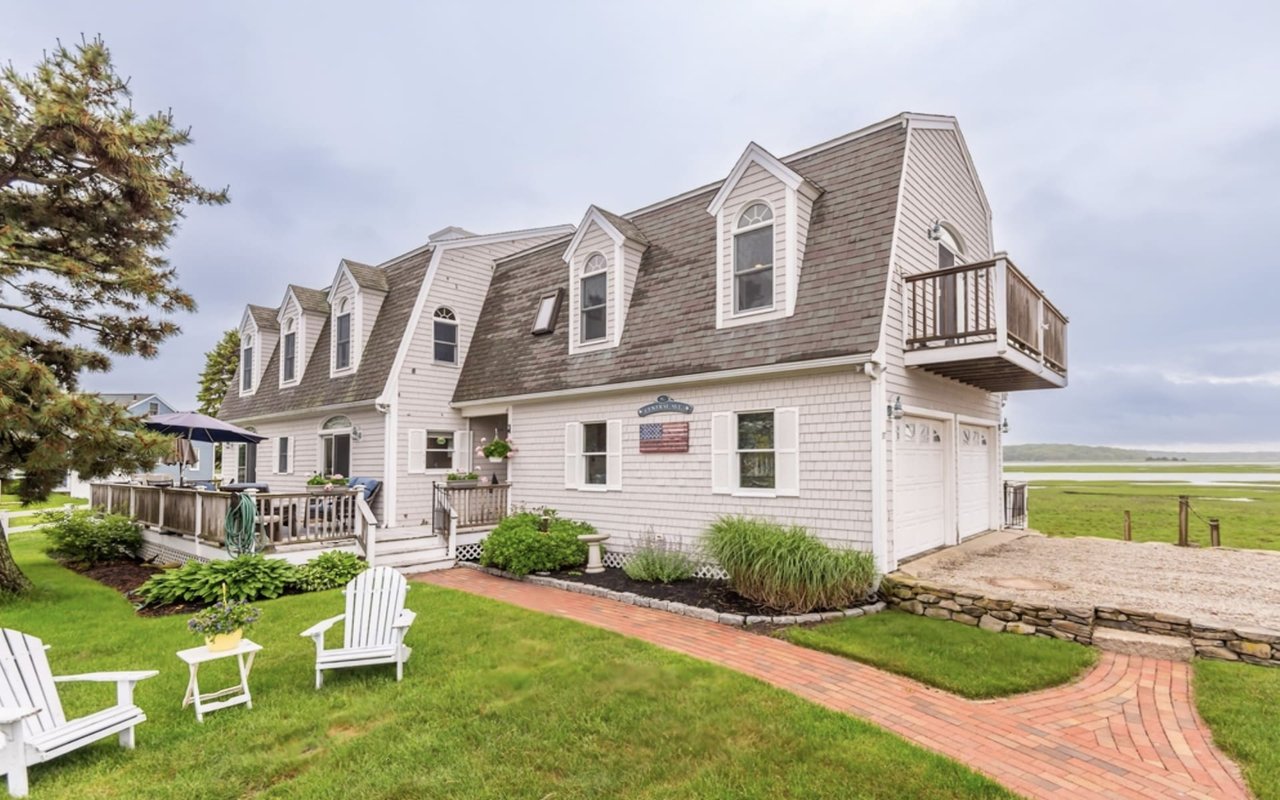
In January 2026, the town's land use specialist sent a violation notice to a Newton, Massachusetts couple who had bought a small cottage on New Jersey Avenue in Madaket back in 2019. An inspection that month confirmed what neighbors had already noticed: the 1938 house was gone. The couple's approval on file was for an addition and a historic renovation. It was not for a demolition. By the time the town's preservation planner reviewed the new application the property owners filed to replace it, she noted that the original approval had described a very different project than the one that ended up on the ground.
The fine came to $1,000 for the house and $500 for the garage, ten times the standard Historic District Commission fee, and it was paid before the new construction application could move forward. That is the version of this story that ends in a fine and a delay. The other version, the one most buyers do not think through before they close, is that none of it had to happen at all if the paperwork had come first.
The whole island is the district
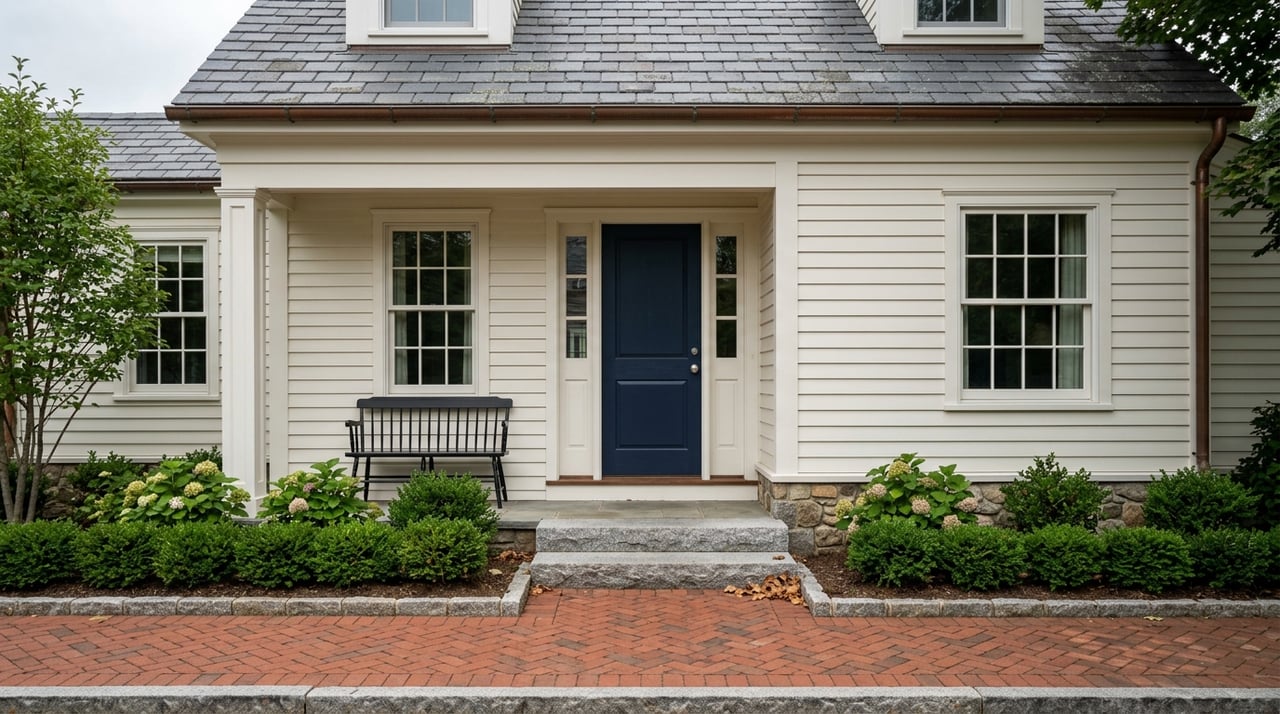
Here is the fact that trips up almost everyone who has renovated a house somewhere else first: there is no part of Nantucket you can buy into to avoid this process. The entire town, all of it, sits inside a single Historic District designated as a National Historic Landmark, with more than 5,000 contributing structures on the National Register. Whether you are looking at a cottage in Madaket, a compound in 'Sconset, or a place downtown, the same rule applies. No building or structure can be constructed or altered in any way that affects its exterior appearance until the Historic District Commission has reviewed and approved it. That includes additions, driveways, fences, and landscape features, not just the house itself.
Before a building permit can even be issued, you need a Certificate of Appropriateness from the HDC. The building permit is downstream. The HDC approval is upstream of everything, including the financing and construction timeline most buyers plan around.
What the calendar actually says
The HDC meets every Tuesday at 4 p.m. at the Public Safety Facility on Fairgrounds Road, which sounds frequent enough to move fast. In practice, the timeline depends entirely on what you are asking for.
Simple requests, a window swap, a repaint, tend to clear in two to four weeks. Larger renovations or new construction typically run two to six months, and that window assumes your application does not need revisions. Recent commission minutes show board members sending applicants back to rework rooflines, dormer scale, and setback from neighboring lots, sometimes more than once. A shed under 120 square feet still requires review before it goes in the ground. If your contractor or architect has not worked on the island before, budget extra time here. The commission's own guidance points buyers toward its "Building with Nantucket in Mind" document and toward architects who already understand what gets approved on the first pass.
What happens if you skip a step
The Madaket case is not an outlier the commission treats lightly. Unauthorized exterior work draws fines of $300 per day under the HDC's enforcement rules, and demolition without approval carries its own as-built penalty, calculated at ten times the normal fee. In the Madaket case, the contractor argued the original structure had been carefully dismantled and its timbers salvaged for reuse in the new house, not simply torn down. The town's preservation planner disagreed in writing, pointing out that the 2023 approval had authorized a renovation and addition, not a selective demolition and rebuild. HDC members who reviewed the new application afterward questioned aloud whether a fine that size was enough to discourage the same thing from happening again.
Whatever the intent, the outcome for the property owners was months of delay while the violation worked through the process, on top of whatever schedule they had already planned for the rebuild itself.
The rules are being rewritten this year
If you are picturing today's approval odds as a fixed target, the past year suggests otherwise. The most visible example is the old Nantucket Electric Company building on New Whale Street, which the HDC voted 3-2 to allow National Grid to demolish after initially signaling strong opposition to the idea. The Nantucket Preservation Trust appealed, arguing the commission had not properly followed its own demolition policy. The Select Board upheld the HDC's decision, also on a narrow vote, and the disagreement over how that appeal should have worked pushed the Select Board to start reviewing whether HDC appeals should bypass it entirely and go straight to Superior Court, the way they do in most other Massachusetts communities.
Separately, at this year's Annual Town Meeting, preservation carpenter Hollis Webb proposed raising the threshold for HDC-approved demolitions of buildings over 50 years old from a simple majority to a supermajority, four votes instead of three. Had that rule been in place already, the New Whale Street vote would have failed. The Finance Committee recommended no action on the article, and town counsel raised doubts about whether a Town Meeting vote could even bind the HDC without separate state legislation. Either way, it signals where local sentiment is heading. Even the town's own applications are not immune. In July 2026, the HDC sent back the town's own request to demolish three historic structures, including a house on Washington Street, telling the town to look at rehabilitation instead. One commissioner put it plainly at the meeting: the board's mission is to keep Nantucket what it is, and here was the town itself asking to throw pieces of it out.
None of this means approval is impossible. It means the buyer who assumes this year's rules will still apply by the time their application reaches the board is making an assumption the last twelve months do not support.
The zoning details that shape what you can actually build
Beyond the HDC process itself, a handful of zoning rules determine whether the property you are evaluating can become the house you have in mind. In the Residential Old Historic and Sconset Old Historic zones, pools are not permitted at all. The ground cover allowance in the Residential Old Historic zone was recently tightened from 50 percent to 40 percent, meaning less of the lot can be covered by structure than it could a few years ago. If you are hoping to add a second dwelling on the property, the zoning requires the main house to keep a footprint at least 20 percent larger than the second structure, which rules out treating a guest cottage as an equal partner to the main house.
These are not abstractions. They are the difference between a lot that can support the addition you are picturing and one that cannot, and they are worth confirming before you write an offer, not after.
Why this matters more in a thinning market
Through the first half of 2026, Nantucket's residential market told an unusual story. The median home sale price rose 11 percent year over year, reaching $3,675,000 by June 30, even as the number of homes sold fell 19 percent and total inventory dropped 32 percent, from 245 properties a year earlier to 167. Homes that did sell spent an average of 126 days on market, with a median of 85 days.
Read those numbers together and the shape becomes clear. Fewer homes are trading, the ones that are trading cost more, and the shelf of available inventory keeps getting thinner. That combination pushes more buyers toward older, unrenovated stock simply because that is where the remaining opportunity sits, at the exact moment the approval process governing what you can do with that stock is under active revision and, if anything, trending toward more scrutiny rather than less. A renovation timeline that used to feel like a manageable inconvenience now sits on top of a market where every month of delay is a month of carrying costs in a place where the inventory you would move to instead keeps shrinking.
A few questions worth asking before you write an offer
Does interior work need HDC approval? No. Interior renovations that do not affect exterior architectural features fall outside the HDC's jurisdiction, though they may still need a standard building permit.
What if my application gets denied? The HDC will explain its concerns, and most applicants revise and resubmit rather than appeal. Many projects are approved after one or two rounds of changes.
Can I appeal a denial? Yes, though the standard for overturning an HDC decision is high, and the process for where that appeal lands is currently under review by the town itself.
If you are weighing a Nantucket property with renovation or rebuild potential, the purchase price is only part of the math. The approval calendar is the other part, and it is worth understanding before you are the one filing the paperwork. Frank Neer and the team have spent years working through exactly this process alongside island buyers, and are glad to walk through what a specific property's timeline might realistically look like before you make an offer.