As Citizen Portal reported, "I didn't vote for the seawall. I don't get a benefit, I'm being penalized," Geraldine McShane told the Duxbury Select Board earlier this year, arguing against a bill tied to the town's rebuilt seawall along Gurnet Road. She was talking about money. Three months later, on September 21, 2026, the board took up something else entirely: the strip of ground between that seawall and the houses behind it, and who actually gets to use it.
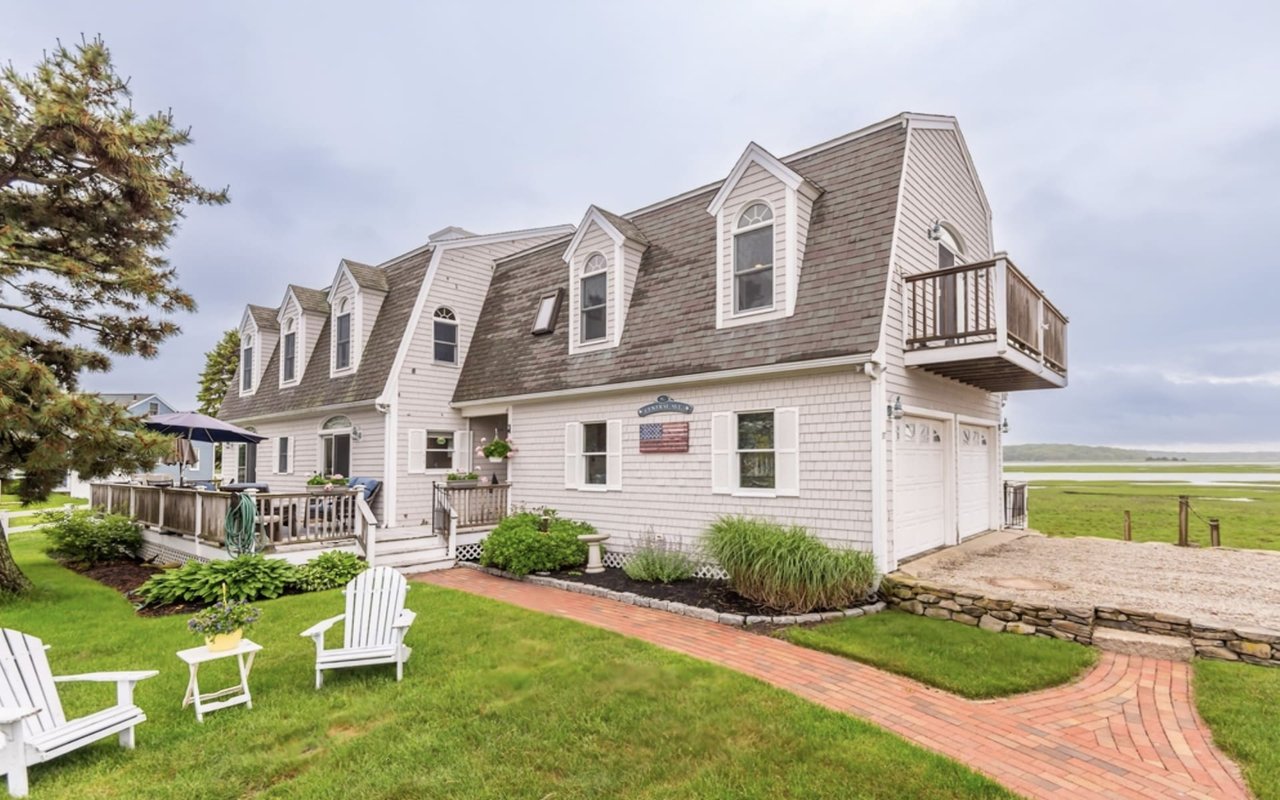
As South Shore News reported, the vote that night adopted a new easement license policy for the shorefront running along Bay Avenue, Gurnet Road, Ocean Road North and Ocean Road South, the same stretch covered by the town's completed seawall rebuild. Homeowners backing up to the wall have long treated the sandy strip in front of it as an extension of their yard: a place for a deck, a fence line, a set of stairs down to the beach. The board's decision made clear that arrangement was never guaranteed. Without a license, the easement the town holds there permits nothing at all, in any season.
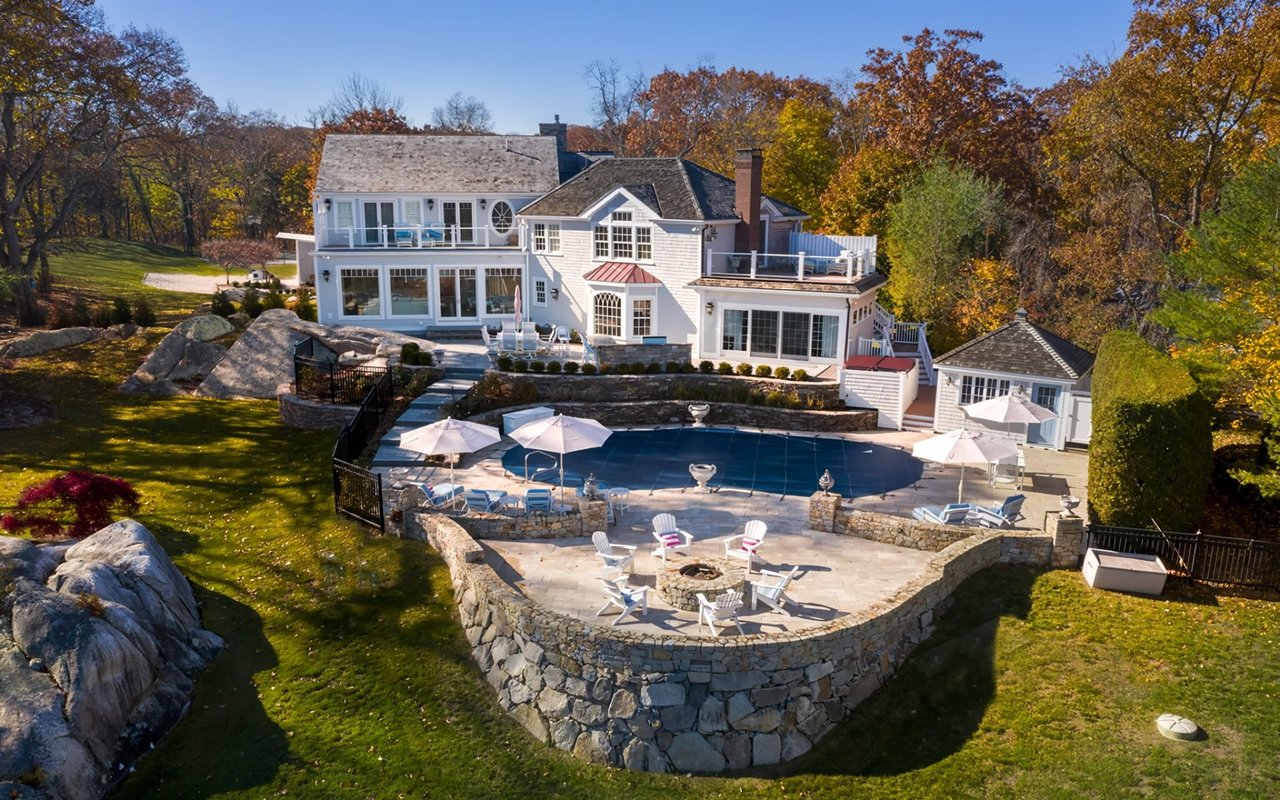
For anyone buying or selling along this part of Duxbury, that distinction is worth more than it sounds like on paper. A listing description that mentions a deck behind the seawall might be describing a fixture sitting on licensed town land rather than a fixture the owner holds outright. The wall brought a construction bill for the households behind it. The town's new license policy also governs how the strip can be used.
The Easement Was Always Total. The License Is New.
The town meeting vote that authorized the rebuilt seawall also created the easement, and the easement's original terms are strict: nothing is permitted inside it, at any time of year, without separate authorization. That fact predates September's news. What changed on September 21 is that the town formalized a mechanism for granting limited permission back to owners, in the form of a revocable, seasonal license running April through October.
Inside that window, a homeowner can keep decking, fencing and similar structures in the easement. Outside it, those items have to come out, with an exception carved out for beach stairs. Four shorefront owners asked the board to soften the removal requirement, arguing that pulling decking and fencing every off-season adds cost and labor without a clear safety benefit. The board declined. One resident, Brendan McLaughlin, joined the meeting online and proposed a narrower fix: let anything that assembles and disassembles quickly, and isn't fastened to the ground or the wall, stay up year-round under the same 48-hour removal notice already proposed for stairs. Board members also floated giving owners extra time in the license's first year, tossing out dates from November 1 down to a flat five-week grace period. The motion that carried adopted the policy as originally drafted, with no special date attached. In practice, the standard seasonal window stands as written, without a first-year cushion.
The Bill Next Door
The easement license didn't appear in isolation. It sits downstream of the same seawall project that already put a specific dollar figure on the tax bills of the households it protects. Construction and related costs for the rebuild came to $14.776 million. After a $3 million Coastal Zone Management grant, the net project cost fell to about $11.7 million. Under the funding plan approved at town meeting, the town covers roughly 75 percent of that, about $8.8 million, and the remaining 25 percent, about $2.94 million, gets assessed as betterments on the properties that abut the wall.
Those betterment letters, with individual amortization schedules, went out after the Select Board recorded the assessment order in early September. The charges themselves won't show up as a line item on tax bills until the Q3 and Q4 2027 billing cycle, assuming an owner amortizes rather than pays in a lump sum. That gap between assessment and billing is exactly the kind of detail a buyer needs surfaced before closing, not after. A property changing hands in the meantime could carry an outstanding betterment balance that the seller paid down, financed, or never addressed at all.
Objections at the June vote weren't limited to McShane. Rocco Picarillo and others described small, largely undevelopable parcels being assessed amounts that exceed what the lots are worth, and argued the formula concentrates cost on a narrow group of owners. Town Counsel Jeff Blake told the board the town has legal authority to proceed under existing statute and case law, and pointed objecting owners toward the standard abatement and appeal process rather than a renegotiation of the formula itself.
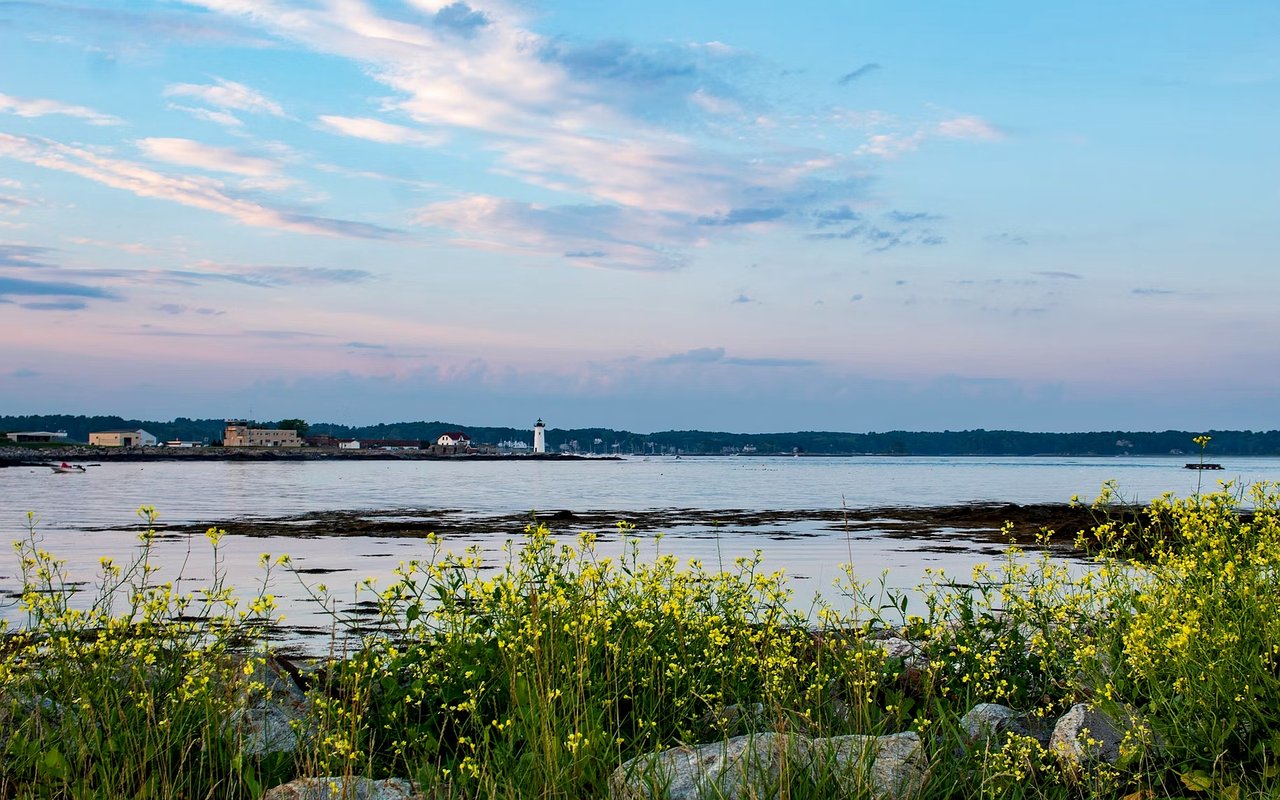
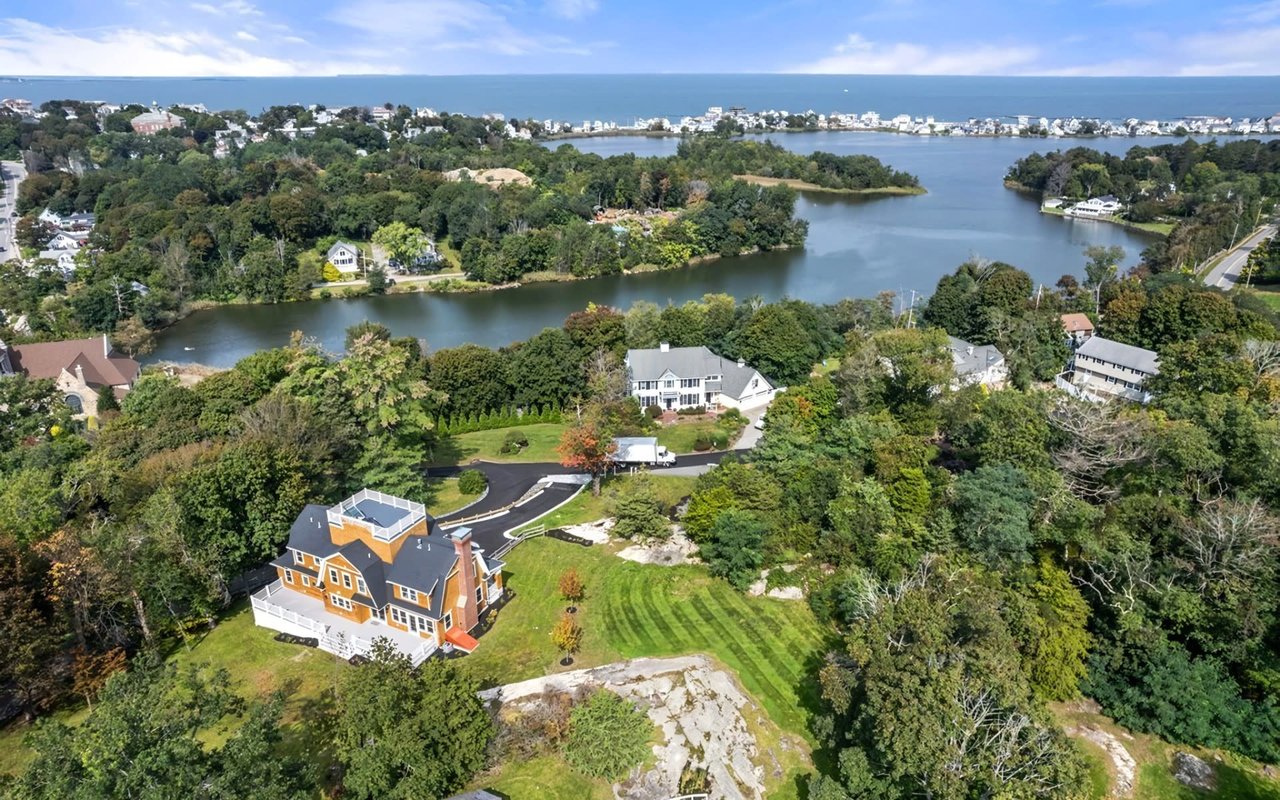
The wall generating both of these bills, the betterment and now the easement license, is a substantial piece of infrastructure. According to the Duxbury Clipper, it runs 2,860 linear feet along the four streets named above, stands five feet higher than the seawall it replaced, and was built from reinforced concrete engineered to withstand direct wave impact. Steel sheathing driven eight to ten feet below the wall's footing anchors the base, and weep holes were built in for drainage. None of that engineering detail changes what a buyer owes or is permitted to build near it.
What to Ask Before You Write an Offer or Sign a Listing
If a property you're considering, or already own, sits along Bay Avenue, Gurnet Road, Ocean Road North or Ocean Road South, a few questions are worth raising with your attorney before closing:
- Does the deck, patio, fence or other structure in question sit inside the town's seawall easement, and if so, has the current owner obtained a license under the new policy?
- Is there an outstanding betterment balance tied to this specific parcel, and is it being paid through the amortization schedule or was it settled in full?
- If the sale closes outside the April-to-October license window, has the seasonal removal already happened, or is it pending?
- Has the seller kept the license current, and what does renewal require going forward?
None of these questions have a universal answer. They depend on the parcel, the timing of the sale, and whether the seller has already gone through a licensing or betterment cycle. That's precisely why they belong in a purchase and sale conversation rather than in a listing sheet.
A Few Direct Answers
Does this affect every waterfront property in Duxbury? No. The easement license and the betterment assessment both tie specifically to the Phase 2 seawall frontage along Bay Avenue, Gurnet Road, Ocean Road North and Ocean Road South.
Are beach stairs covered by the seasonal removal rule? They're treated differently. The policy carves out an exception for stairs, and the board discussed extending similar treatment to other quick-disassembly items, though that broader exception wasn't part of the version that passed.
When will betterment costs actually show up on a tax bill? Not until the Q3 and Q4 2027 billing cycle, for owners who choose to amortize rather than pay the assessment outright.
Buying or selling on this stretch of Duxbury now means reading a property's relationship to that seawall as carefully as its square footage. A deck that looks like it belongs to the house might belong, for part of the year, to the town. If you're weighing a move along Gurnet Road, Bay Avenue or Ocean Road, Frank Neer can walk through what a specific parcel's easement and betterment status actually looks like before you make an offer or set a price.
This article is general information, not legal, tax or financial advice. Consult a qualified professional about your situation.